
Palochina wood is a lightweight, flexible timber traditionally used for crafting the intricate frames of parol star lanterns in the Philippines. Derived primarily from repurposed pine wood shipping crates and pallets, this material has become a cornerstone of local holiday craftsmanship due to its unique balance of pliability and structural integrity. When the festive season approaches, artisans across the country transform these humble wooden slats into the iconic stars that illuminate homes and streets. This guide explores the physical characteristics of palochina wood, compares its performance to alternative framing materials like bamboo and plastic, and provides practical advice on how to inspect, maintain, and store your palochina wood lantern to ensure it remains a safe and beautiful centerpiece for years to come.
What Is Palochina Wood?
To understand why palochina wood is so widely utilized, one must first look at its visual and tactile characteristics. When inspecting a raw palochina frame, you will notice a light cream to pale yellow coloration, often accented by prominent natural grain patterns and occasional dark knots. These visual features give each lantern frame a distinct, organic character. Tactilely, the wood is remarkably lightweight, making it easy to handle during both the manufacturing process and the final installation in your home.
Beyond its appearance, palochina wood is valued for its moderate flexibility and resistance to splitting. Unlike denser hardwoods, it can be planed down into thin, pliable strips that bend into the precise angles required for multi-point star designs. While it is flexible enough to curve under tension, it retains sufficient rigidity to support the weight of decorative coverings and internal lighting fixtures. However, because palochina is a broad category of repurposed pine, its exact botanical classification, precise density metrics, and specific grade certifications can vary. If you require precise structural specifications, it is always best to verify these details directly with the manufacturer or supplier.
Products mentioned in this guide
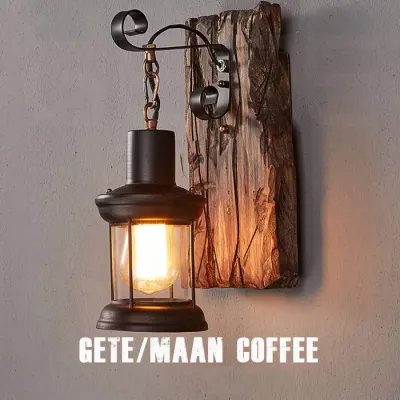

Prices are valid at publication and may change. Please refer to the product page for the latest price.
Why Palochina Wood Is Preferred for Traditional Parols
The preference for palochina wood in traditional parol making is rooted in both practical workability and cultural heritage. Crafting a classic Filipino star lantern requires a material that can accommodate complex bending, shaping, and joining. Artisans must construct a three-dimensional framework that remains perfectly balanced. Palochina wood excels in this regard because it holds glue, nails, and staples exceptionally well, allowing for secure joints at the many intersecting points of a complex star design.

When compared to bamboo strips—another traditional framing material—palochina wood offers distinct advantages in terms of consistency. Bamboo is highly flexible, but its natural nodes and varying thickness can make it difficult to achieve uniform dimensions across all points of the star. Bamboo also carries a higher risk of splitting along its vertical grain when pierced with small nails or staples. Palochina wood, when planed properly, provides a flat, uniform surface that simplifies the assembly process and ensures a more symmetrical frame.
In contrast to modern plastic or wire frames, palochina wood provides a superior balance of traditional aesthetic and structural rigidity. While plastic and wire frames are lightweight and highly resistant to moisture, they often lack the organic warmth and structural presence of wood. Larger parols framed with thin wire can sag or deform under the weight of heavy capiz shells or dense electrical wiring. Palochina wood frames maintain their shape under load, distributing the weight of the lantern evenly and providing a sturdy foundation for intricate decorative elements. Ultimately, choosing a palochina wood lantern supports the preservation of authentic, handmade craftsmanship, keeping a centuries-old artistic tradition alive.
How to Inspect and Choose a Quality Palochina Wood Lantern
When purchasing a palochina wood lantern, a thorough inspection of the frame is essential to ensure long-term durability and safety. Begin by examining the joints where the wooden strips meet. High-quality craftsmanship is indicated by smooth, tight joints that are securely fastened with wood glue, small pins, or staples. Look closely at the curved sections of the frame; there should be no deep cracks, splinters, or visible stress fractures that suggest the wood was bent beyond its natural limit.
Next, evaluate the surface finish of the wooden frame. The wood should be sanded smooth, particularly along the edges where the decorative covering will be attached. Rough splinters can easily snag and tear delicate coverings like papel de hapon (traditional Japanese paper) or puncture thin plastic sheets. If the lantern uses capiz shells, ensure the wooden support structure is robust enough to hold the shells without bowing. While budget-friendly options are widely available, investing a bit more in ₱ for a well-constructed frame ensures the lantern lasts for multiple holiday seasons.
The adhesion of the covering material is another critical quality indicator. Verify that the paper, plastic, or fabric is securely bonded to the palochina frame without any gaps, peeling edges, or uneven tension. Loose coverings can flutter and tear when exposed to drafts, compromising the visual appeal of the lantern.
Finally, prioritize electrical safety. Because palochina is an organic, combustible material, you must verify that all electrical components are installed correctly. Check that the wiring, light sockets, and bulbs are properly insulated and do not rest directly against bare, untreated wood. Ensure the lantern’s electrical system matches local voltage standards, uses certified sockets, and adheres to safe wattage limits to prevent heat buildup. For custom installations or fixed wiring, always isolate the power source before mounting and consult a qualified professional to ensure compliance with local electrical codes.
Caring for and Storing Your Palochina Wood Parol
Proper maintenance and storage are vital to protecting your palochina wood parol from the tropical climate of the Philippines. High humidity, intense heat, and sudden rain showers can quickly damage untreated wood and delicate coverings. To prevent warping, mold growth, or color fading, display your lantern in a sheltered area, such as a covered porch or indoors, away from direct exposure to heavy rain and prolonged sunlight.
When cleaning your lantern, avoid harsh chemical cleaners or excessive moisture, which can degrade the wood fibers and ruin the adhesive holding the covering. Instead, use a dry, soft microfiber cloth or a feather duster to gently remove accumulated dust. If the frame requires spot cleaning, use a slightly damp cloth and dry the area immediately with a soft towel.
Before packing your lantern away for the off-season, inspect the wooden frame for any signs of wood-boring insects, such as termites or bukbok (powderpost beetles). Wrap the entire lantern in a breathable material, such as clean packing paper or a breathable fabric bag, rather than airtight plastic wrap, which can trap moisture and encourage mold. Store the lantern in a cool, dry, and elevated location to protect it from pests and accidental physical damage.
If you notice structural cracks, severe warping, or compromised joints that affect the stability of the frame, stop using the lantern immediately. Do not attempt to force warped wood back into shape, as this can cause the frame to snap. Instead, consult a professional restorer or the original manufacturer to determine if the frame can be safely repaired or if it requires replacement.
Frequently Asked Questions (FAQ)
Can a palochina wood lantern be used outdoors?
Untreated palochina wood is highly susceptible to moisture, humidity, and temperature fluctuations. If you plan to display your lantern outdoors, ensure it is placed in a fully covered area protected from rain and wind. Always check the manufacturer’s specifications to see if the wood has been treated with a weather-resistant sealant, and verify that all electrical components, including cables and bulbs, are explicitly rated for outdoor use.
How does the weight of a palochina wood frame compare to bamboo?
The weight of a lantern frame depends heavily on the thickness of the wood cuts, the overall size of the parol, and the weight of the covering materials. While thin bamboo strips can sometimes be lighter, palochina wood offers a more rigid structure that prevents sagging. Rather than relying on general material weight assumptions, always check the specific weight of the lantern and use appropriate hanging hardware, such as sturdy hooks or anchors, to secure it safely.

Community discussion
Share your experience or ask a question. Comments are reviewed before publication.