
Finding the perfect floor lamp minimalist modern design for a Philippine living room requires balancing aesthetic simplicity with functional performance. The right fixture does more than illuminate a dark corner; it anchors your furniture layout, complements your interior design scheme, and adapts to the unique environmental conditions of tropical homes. Whether you are decorating a compact high-rise condominium in Metro Manila or a spacious open-plan house in the provinces, selecting a floor lamp involves careful planning around space, materials, and electrical compatibility.
In modern Filipino homes, the living room serves as a multi-functional hub where families gather, work, study, and entertain guests. Achieving a balanced lighting scheme is essential to make this space comfortable throughout the day and night. By understanding how different minimalist designs direct light and occupy space, you can select a fixture that enhances your home’s visual appeal while providing safe, reliable illumination for years to come.
Defining Your Space: How to Choose the Right Minimalist Floor Lamp
Before browsing specific styles, you must establish clear selection criteria based on your living room’s layout, proportions, and lighting requirements. A common mistake is choosing a lamp solely for its visual appeal, only to find that it either crowds your seating area or fails to provide the type of light you actually need. To avoid this, start by analyzing the balance between ambient and task lighting in your space.
Products mentioned in this guide
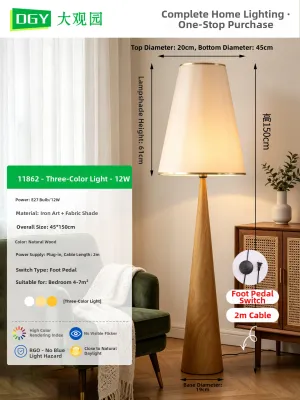
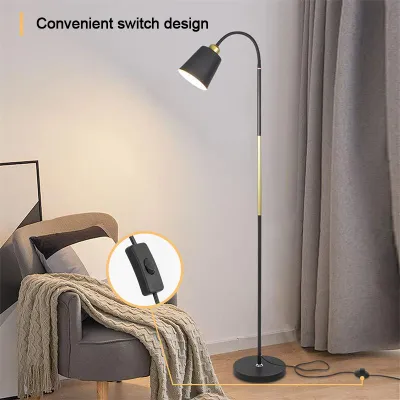
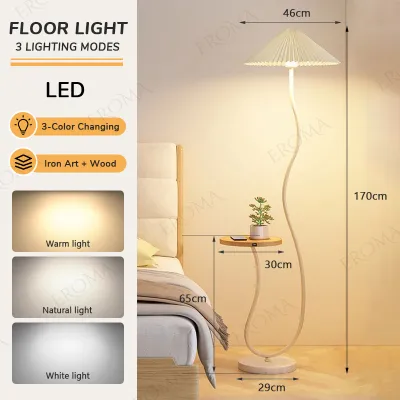
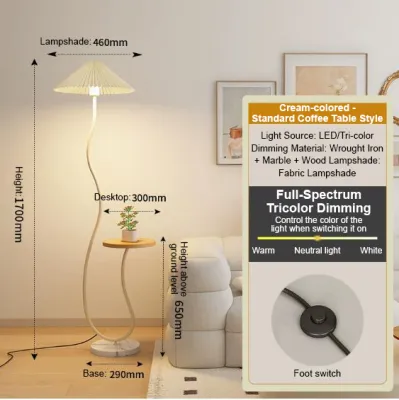
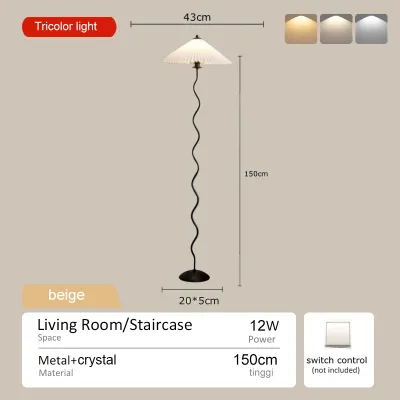
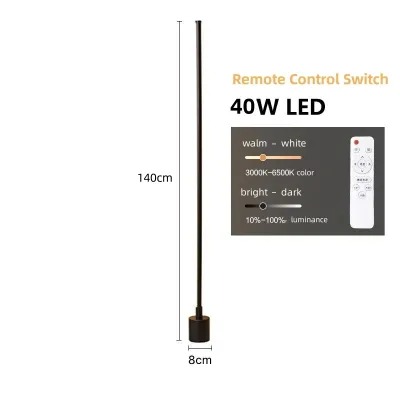
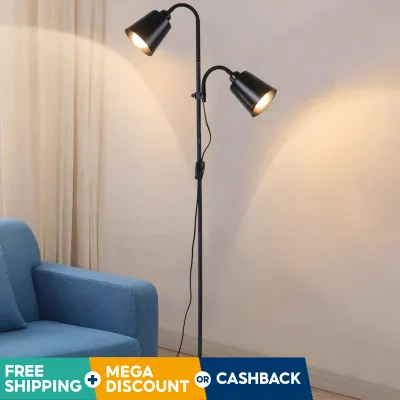
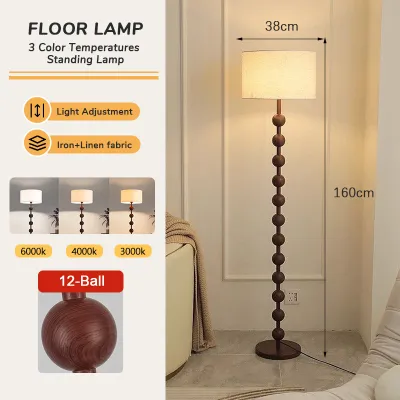
Prices are valid at publication and may change. Please refer to the product page for the latest price.
Ambient lighting provides the overall illumination that allows you to navigate a room safely, while task lighting delivers focused light for specific activities like reading, crafting, or working on a laptop. If your living room already has adequate overhead recessed lights, your minimalist floor lamp can function primarily as a decorative accent or a localized task light beside a favorite armchair. Conversely, if your room lacks ceiling fixtures—a common scenario in many older apartments and condominiums—you will need a floor lamp designed to maximize ambient light, such as a torchiere that projects light upward to bounce off the ceiling.
Scale and proportion are equally critical when selecting a floor lamp. You must measure both your available floor space and your ceiling height to ensure the lamp fits harmoniously with your furniture. In rooms with standard ceiling heights (typically around 2.4 to 2.7 meters), a lamp that stands between 1.5 and 1.8 meters tall is generally ideal. Anything taller can make the ceiling feel lower and more oppressive, while a shorter lamp might look dwarfed next to modern, high-profile sofas. Additionally, consider the physical footprint of the lamp’s base; a wide base requires dedicated floor real estate, whereas a slim, weighted base can slide easily under or behind furniture.
Minimalist design relies on clean lines and a restricted color palette to prevent visual clutter. The finishes you choose should complement your existing decor while standing up to local environmental factors like tropical humidity.
- Matte Black: Offers a bold, graphic contrast that works exceptionally well in industrial or contemporary interiors, hiding dust and fingerprints effectively.
- Brushed Brass: Adds a touch of warmth and understated luxury, making it an excellent choice for mid-century modern or transitional spaces.
- Natural Wood: Brings organic warmth and texture to the room, aligning perfectly with Scandinavian, Japandi, or tropical-modern aesthetics.
- White Powder-Coated Metal: Blends seamlessly into light-colored walls, making the fixture almost disappear visually to maximize the perception of open space.
Top Minimalist Modern Floor Lamp Styles for Your Living Room
Focusing on timeless design archetypes is the most effective way to find a high-quality minimalist floor lamp. Rather than chasing fleeting trends, identifying these classic structural forms allows you to evaluate pieces across various local furniture showrooms, specialty lighting boutiques, and online home decor platforms. Each archetype offers distinct functional advantages and visual characteristics that suit different living room layouts.

The Sleek Arc Floor Lamp
The arc floor lamp is defined by its dramatic, sweeping neck that extends upward and outward from a heavy base, suspending the light source over a specific area. This style is highly favored by interior designers for its ability to provide overhead task lighting without the need for ceiling installation, making it perfect for rental properties where drilling into concrete ceilings is prohibited.
When evaluating an arc lamp, pay close attention to the visual balance of the curve. High-quality minimalist designs feature a smooth, continuous arch made of slender metal tubing, completely free of visible joints, exposed wiring, or ornate decorative collars. The simplicity of the curve creates an elegant silhouette that draws the eye upward, adding a sense of height and movement to your living room.
Because the light source is suspended at the end of a long, cantilevered arm, stability is a major safety consideration. You must verify that the lamp features a heavily weighted base, typically constructed from solid marble, concrete, or thick cast iron. A base that is too light or too narrow will cause the lamp to wobble or tip forward at the slightest bump.
Additionally, consider the physical reach of the arch. Ensure the path of the arm does not cross high-traffic walkways where tall family members or guests might accidentally bump their heads. Ideally, the arc should curve gracefully over the back or side of a sofa, directing light directly onto a coffee table or reading area while keeping the base safely tucked out of the way.
The Sculptural Tripod Lamp
For homeowners looking to make a subtle architectural statement, the sculptural tripod floor lamp is an excellent option. Featuring three slender legs that taper upward to meet at a central neck, this style provides a stable, balanced structure with a light visual footprint that prevents your living room from feeling overcrowded.
Material selection plays a key role in how a tripod lamp integrates into your space. Slender wooden legs, particularly in light oak, ash, or warm teak finishes, introduce an organic element that softens the clean lines of modern furniture. If you prefer a sharper, more industrial aesthetic, look for tripod frames constructed from matte-finished metals like black iron or brushed steel, which offer a crisp, architectural silhouette.
The shape and material of the lampshade significantly influence how light is diffused throughout your living room:
- Drum Shades: Classic cylindrical shades diffuse light evenly both upward and downward, creating a soft, balanced glow ideal for general ambient lighting.
- Conical Shades: Tapered shades direct the majority of the light downward, focusing the illumination on the floor or adjacent seating for task-oriented use.
- Exposed Bulb Designs: Some ultra-minimalist tripods dispense with shades entirely, utilizing a decorative LED filament bulb to create a striking, raw aesthetic that requires careful bulb selection to avoid harsh glare.
Safety is paramount when positioning a tripod lamp in your home. Because the three legs flare outward, the lamp occupies a larger floor footprint than single-pole designs. You must ensure the leg spread does not extend into walking paths where it could become a tripping hazard. Inspect the stability of the leg joints to ensure they lock securely, and verify that the feet are equipped with non-slip rubber or felt protection pads to prevent scratching polished tiles, vinyl planks, or delicate hardwood floors.
The Slim Column or Torchiere
When space is at a premium, the slim column or torchiere lamp offers the ultimate minimalist solution. These designs feature an incredibly compact physical footprint, utilizing a single, ultra-thin vertical pole that rises from a small, heavy base. They are ideal for tight corners, narrow gaps between furniture, or small condominium living rooms where every square centimeter counts.
Understanding the difference in light distribution between these two vertical styles is essential for achieving your desired atmosphere. A slim column lamp typically features integrated LEDs or a cylindrical shade that emits soft, diffused light along its entire length or directs a gentle pool of light downward. This makes it an excellent choice for soft accent lighting or localized task lighting beside a chair.
In contrast, a torchiere is designed to direct all of its light upward toward the ceiling. This upward projection bounces light off the ceiling surface, scattering it throughout the room to create a wide, shadow-free ambient glow. Bouncing light in this manner is a highly effective design trick for small spaces, as it eliminates dark corners and makes low ceilings feel significantly higher and more open.
To maximize the convenience and utility of a vertical lamp, look for models that feature integrated modern controls. Touch-sensitive poles, built-in foot switches, or integrated dimmers allow you to adjust the light levels effortlessly without searching for a cord-mounted switch. Dimming capabilities are particularly valuable, enabling you to transition the living room from a bright, active space during the day to a calm, relaxing environment in the evening.
Essential Electrical and Physical Specifications to Verify Before Buying
While aesthetics are important, verifying technical specifications is crucial for ensuring the safety, longevity, and performance of your floor lamp within the Philippine domestic infrastructure. Electrical standards and environmental conditions vary globally, meaning imported or unverified fixtures can pose serious operational risks if they do not match local requirements.
First and foremost, you must verify that the lamp is rated for the standard voltage and frequency of the Philippines, which is 220V at 60Hz. Many products sold on international ecommerce platforms are manufactured for 110V/50Hz systems (common in North America and parts of Asia). Operating a 110V appliance on a 220V grid without a proper step-down transformer will immediately destroy the electrical components, ruin the lamp, and potentially cause an electrical fire or short circuit. Always check the manufacturer’s specification label, usually located on the underside of the base or near the socket, before plugging the fixture in.
Next, inspect the bulb socket type and the maximum wattage limit. The most common screw-type socket in the Philippines is E27, which is widely compatible with locally available LED bulbs. Every lamp fixture has a strict maximum wattage rating printed on its safety label (e.g., “Max 40W”). Exceeding this limit—especially if you use older, heat-generating incandescent bulbs instead of energy-efficient LEDs—can cause heat to build up inside the socket or shade. In our warm tropical climate, this excess heat can degrade plastic components, melt insulation, or ignite flammable shade materials like fabric or paper.
Minimalist design is highly dependent on hiding unsightly clutter, and the lamp’s power cord is a major factor in this equation. A cord that is too short will force you to position the lamp inconveniently close to an outlet, or worse, rely on bulky extension cords that ruin the clean aesthetic and create dangerous tripping hazards. Look for fixtures with a generous cord length of at least 1.8 to 2 meters. Additionally, verify the plug type; most Philippine households use flat two-pin Type A or Type B plugs. Ensure the plug fits snugly into your wall outlets to prevent loose connections that can cause electrical arcing.
Finally, establish clear boundaries for installation and safety. If your living room lacks properly positioned wall outlets, or if you plan to install a high-end minimalist fixture that requires hardwiring into a wall-switch-controlled circuit, do not attempt to modify your home’s electrical wiring yourself. Always isolate the power at your main circuit breaker and consult a qualified, licensed electrician to perform the work. Proper grounding and professional installation are essential to protect your family and your home from electrical hazards.
Where to Shop: Navigating the Local Market for Quality and Safety
Finding a high-quality minimalist floor lamp in the Philippines requires navigating a diverse retail landscape that spans physical showrooms, specialized lighting boutiques, and online home decor platforms. Each shopping method offers unique advantages, and understanding how to evaluate products in each space will help you make a safe, satisfying purchase.
Visiting a physical furniture or lighting showroom is highly recommended whenever possible. Being physically present allows you to assess critical quality details that photos cannot fully convey. You can test the physical weight of the base to ensure the lamp will not tip over easily, run your hands over the materials to check the quality of the wood or metal finishes, and inspect the structural joints for stability. Showrooms also allow you to observe the actual color temperature of the light; you can see firsthand whether a bulb emits a harsh, cool blue light or a warm, inviting golden glow that complements your living room’s color scheme.
If you choose to shop online for a wider selection and convenience, you must exercise extra vigilance to ensure safety and quality. Thoroughly read the product description for exact dimensions, materials, and weight specifications. Analyze customer reviews carefully, paying close attention to real-world photos uploaded by previous buyers, as these often reveal the true scale, color, and build quality of the lamp. Ensure the online retailer provides a clear return policy and a reasonable warranty period covering electrical components, switches, and wiring.
Be highly cautious of unbranded, exceptionally cheap electrical fixtures sold by unverified third-party merchants on online marketplaces. These budget-friendly items often bypass essential quality control checks, utilizing substandard wiring, thin metal plating that rusts quickly in tropical humidity, and poorly insulated sockets that pose shock or fire hazards. Instead, prioritize reputable local brands, authorized distributors, or established home improvement centers. Look for visible safety marks, such as the Philippine Standard (PS) mark or equivalent international certifications (like CE or UL), which prove the product has undergone rigorous testing to meet safety and performance standards.
Frequently Asked Questions (FAQ)
Can I use smart bulbs in minimalist floor lamps?
Yes, you can easily use standard smart bulbs in most minimalist floor lamps, provided the bulb’s base matches the lamp’s socket interface (which is typically E27 in the Philippines). Smart bulbs are an excellent way to add modern functionality, allowing you to adjust brightness, change color temperatures, and set automated lighting schedules via your smartphone or voice assistants.
However, you must avoid installing smart bulbs in lamps that feature built-in physical dimmer switches or touch-sensitive dimming controls. Smart bulbs require a constant, stable flow of full electrical power to operate their internal wireless receivers and processors. Connecting them to a physical dimming circuit alters the voltage, which can cause the smart bulb to flicker rapidly, emit a distracting buzzing sound, or suffer permanent damage to its internal electronic driver.
How do I prevent a floor lamp from tipping over in a home with pets or children?
Preventing a floor lamp from tipping over is a critical safety priority in active households. Start by selecting a lamp designed with a heavy, substantial base made of solid marble, concrete, or thick steel, which keeps the center of gravity low and resists tipping when bumped. Avoid lightweight plastic or hollow metal bases that offer little resistance to physical impact.
Additionally, pay close attention to how you manage the power cord. Loose, dangling cords are a major hazard, as pets or children can easily catch their feet on them and pull the entire fixture down. Secure the cord flat against the floor or along your baseboards using adhesive cord clips or low-profile cord covers. If possible, position the lamp’s base behind heavy furniture, such as a sofa or a side table, which physically blocks access and prevents children or pets from coming into direct contact with the fixture.

Community discussion
Share your experience or ask a question. Comments are reviewed before publication.