
The choice between a traditional Pampanga parol lantern and a modern LED version depends on how you balance authentic craftsmanship with practical convenience. Traditional designs using capiz shell, Japanese paper, and bamboo offer warm, heritage aesthetics but require careful placement and upkeep. Modern LED parols provide high brightness, dynamic colors, and weather resistance for easier outdoor use. This guide compares their materials, light quality, durability, and installation requirements to help you decide which lantern most closely suits your space and maintenance preferences.
Choosing the right holiday lantern involves evaluating your installation environment, your willingness to perform seasonal maintenance, and the specific visual atmosphere you want to create. While traditional parols offer unmatched heritage appeal and a warm, organic glow, modern LED parols deliver high brightness, dynamic color patterns, and robust weather resistance. By understanding the core differences in construction, light quality, and safety requirements, you can select a lantern that beautifully illuminates your home while fitting your lifestyle.
Understanding the Core Differences in Materials and Build
Traditional paper parols start with a hand-carved bamboo frame, which provides flexibility and a lightweight structure. Artisans carefully paste layers of colorful Japanese paper over the frame, creating intricate folds and tassels. This construction method relies entirely on natural, biodegradable materials, resulting in a delicate, lightweight lantern that reacts dynamically to gentle breezes.
Products mentioned in this guide
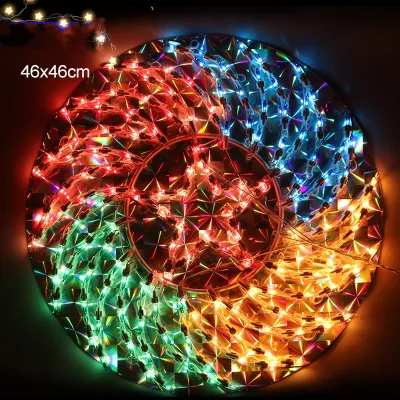
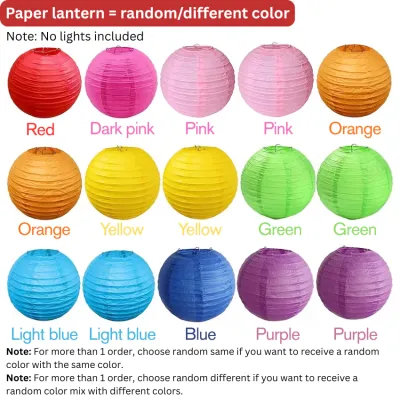
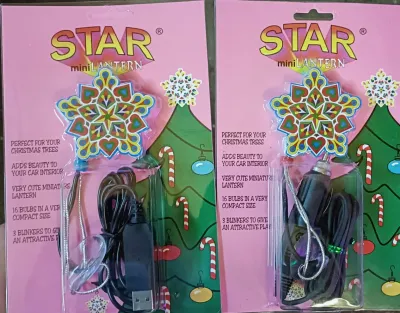
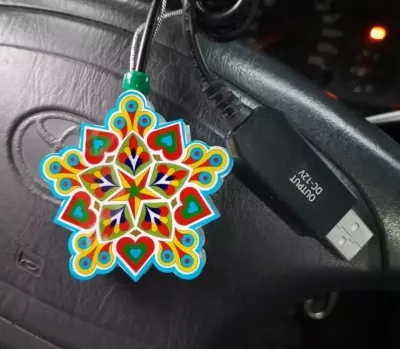
Prices are valid at publication and may change. Please refer to the product page for the latest price.
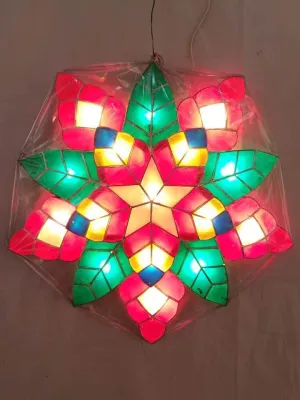
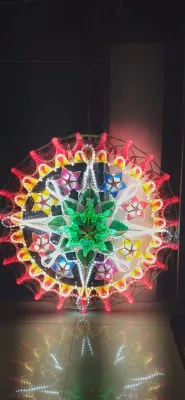
Traditional capiz parols elevate structural complexity by using the translucent shells of the windowpane oyster. These shells are cleaned, cut, and bound together using brass or metal channels. The frame is typically heavier and more rigid than a paper parol, requiring a sturdier mounting point. The natural variation in the shells ensures that no two panels are identical, giving each piece a distinct, handcrafted character.
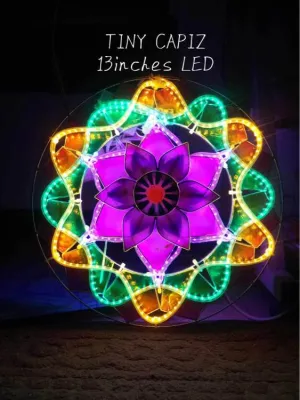
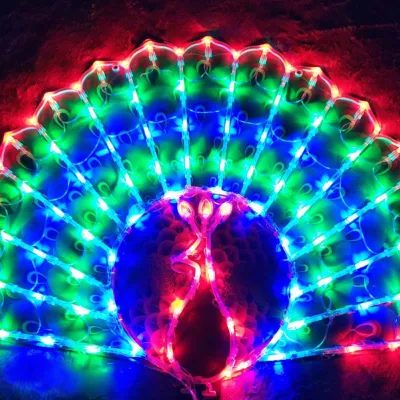
In contrast, modern LED parols utilize synthetic materials designed for structural endurance. The frames are often constructed from welded steel wire, aluminum, or rigid molded plastics. Instead of delicate paper or natural shells, these lanterns feature impact-resistant acrylic, polycarbonate, or PVC panels. The light source consists of flexible LED strip lights or individual light-emitting diodes mounted directly to the internal frame, creating a highly durable, solid-state assembly.
These material differences directly affect the weight and handling of each lantern. A paper parol is exceptionally light but highly fragile, easily torn by physical contact or strong winds. A capiz parol is significantly heavier due to the metal framing and dense shell panels, requiring secure anchoring to prevent falling hazards. Modern LED parols fall in between; while their metal frames add weight, their synthetic panels are highly resistant to cracking or shattering, making them much easier to transport, hang, and store without risking structural damage.
Comparing Aesthetics and Light Quality
The visual appeal of a traditional capiz parol lies in its soft, warm, and organic light diffusion. When illuminated by incandescent or warm LED bulbs inside, the natural variations in the capiz shells filter the light, creating a gentle, pearlescent glow. Paper parols offer a vibrant, translucent color saturation as light passes through the thin paper. This creates a nostalgic, cozy ambiance that evokes classic holiday memories.

Modern LED parols prioritize high lumen output, vivid color saturation, and dynamic movement. Utilizing integrated LEDs allows manufacturers to program complex light sequences, chasing patterns, and color-changing transitions. While some users find the direct light of LEDs to be sharper than the soft glow of capiz, modern designs often use frosted acrylic diffusers to soften the output. The brightness of LEDs ensures the lantern remains highly visible from a great distance, even in areas with high ambient street lighting.
During daylight hours, the aesthetic value of traditional materials remains high. A capiz parol functions as an elegant decorative piece even when unlit, reflecting natural sunlight off its iridescent surfaces. A paper parol displays bright, festive colors and delicate paper tassels that flutter in the breeze. Conversely, some modern LED parols made of clear plastic or white acrylic can look somewhat industrial or plain during the day, as their visual appeal relies heavily on their active light patterns at night.
Choosing the right style depends on your home’s architecture and design theme. Traditional capiz and paper lanterns naturally complement classic Filipino architecture, rustic interiors, and heritage-themed spaces. They excel as focal points in living rooms, covered verandas, or traditional entryways. Modern LED parols are highly suited for contemporary home facades, commercial buildings, and expansive outdoor gardens where high-impact, synchronized light shows can enhance the festive atmosphere.
Evaluating Durability and Maintenance Needs
The tropical climate of the Philippines, characterized by high humidity, sudden rain showers, and intense heat, poses a significant challenge for traditional materials. Paper parols are highly vulnerable to moisture; a single heavy downpour can ruin the paper panels and weaken the bamboo frame’s glue. Capiz parols are more resilient but can still suffer from brass corrosion or frame warping if exposed to constant rain. Modern LED parols, designed with sealed acrylic panels and weather-rated electrical components, easily withstand outdoor exposure, making them a highly practical choice for open-air installations.
Maintenance requirements differ vastly between these types. Cleaning a traditional paper parol requires extreme care, limited to gentle dry dusting with a soft brush to avoid tearing the delicate paper. Capiz shells can be wiped gently with a slightly damp microfiber cloth to remove dust and restore their natural sheen, but harsh chemical cleaners must be avoided to prevent damaging the brass binding. Modern LED parols can be wiped down quickly with standard non-abrasive cleaning solutions, as their synthetic surfaces are highly resistant to scratching and moisture penetration.
The lifespan and serviceability of the light sources present another critical trade-off. Traditional parols typically use standard, replaceable light bulb sockets. If a bulb burns out, you can easily unscrew it and install a new one, extending the lantern’s life indefinitely. In contrast, many modern LED parols feature integrated LED strips. While these LEDs have a long operational lifespan, if a section of the strip fails or the internal controller malfunctions, repairing the integrated circuitry can be highly difficult for the average user, often requiring professional repair or complete replacement of the lighting element.
Installation, Safety, and Power Requirements
Before installing any holiday lighting, verifying electrical specifications is essential for safety. In the Philippines, the standard household voltage is 220V at 60Hz. Traditional parols using standard sockets must be fitted with bulbs rated for this voltage to prevent overheating or premature failure. Modern LED parols often run on low-voltage direct current via an external power adapter or transformer. You must verify that the adapter’s input rating matches your home’s voltage and that the plug fits securely into your wall outlet without loose connections.
The physical installation of your parol must account for its weight and the structural integrity of the mounting point. Lightweight paper parols can be hung safely from simple adhesive hooks or thin nylon strings. Heavy capiz parols, however, require robust support, such as metal screw hooks anchored directly into ceiling joists or solid wooden eaves. Always calculate the weight of the lantern and ensure the hanging hardware is rated to support at least double that weight to prevent accidental falls, especially during windy seasonal weather.
If you plan to hang your parol outdoors, strict weatherproofing protocols must be followed. Only use extension cords and power strips specifically rated for outdoor use, and keep all electrical connections housed in weatherproof junction boxes or wrapped securely with heavy-duty electrical tape. Never run indoor-rated cords through windows or doors where they can be pinched or exposed to pooling water. If you notice exposed wiring, damaged insulation, or a lack of proper grounding in your home’s exterior outlets, stop immediately and consult a qualified electrician to resolve these hazards before plugging in your holiday display.
Decision Framework: Which Pampanga Parol Lantern Fits Your Space?
Opt for a traditional capiz or paper Pampanga parol if your primary goal is to preserve cultural heritage and enjoy a classic, warm holiday aesthetic. These lanterns are highly suited for indoor spaces, fully covered patios, or enclosed balconies where they are protected from rain and wind. They are ideal for homeowners who appreciate handcrafted artistry, do not mind performing gentle seasonal maintenance, and prefer a soft, steady ambient glow over flashing light patterns.
Select a modern LED parol if you prioritize high visibility, durability, and hassle-free operation. This option is highly suited for exposed outdoor areas, such as front facades, open gardens, or high-rise balconies facing strong winds and rain. It is also the practical choice for busy households looking for a low-maintenance decoration that can be easily packed away and reused year after year, as well as those who enjoy dynamic, multi-color light shows.
Before making your final decision, verify the specific constraints of your living situation. If you are renting a property, check your lease agreement regarding drilling holes for heavy hanging decorations like capiz parols. In high-humidity coastal areas, natural materials will degrade faster, making synthetic LED options more practical. Finally, inspect your outdoor electrical setup; if your exterior outlets lack ground fault circuit interrupter protection, prioritize indoor placement or upgrade your electrical safety measures before installing any large outdoor light fixture.
Frequently Asked Questions (FAQ)
Can I convert a traditional paper parol to use LED bulbs?
Yes, you can convert a traditional paper parol to use LED bulbs, provided you follow key safety precautions. First, verify that the replacement LED bulb uses the same base type and does not exceed the maximum wattage rating of the original socket. Ensure the physical dimensions of the LED bulb allow it to sit centrally within the frame without touching the delicate paper panels. Because paper is highly flammable, using low-wattage, high-efficiency LED bulbs is highly recommended, as they generate significantly less heat than traditional incandescent bulbs, reducing fire hazards in enclosed paper structures.
How do I store a capiz shell parol after the holidays?
Proper storage is essential to preserve the natural materials of a capiz shell parol for the next holiday season. Before packing it away, gently dust the entire lantern with a soft, dry microfiber cloth to remove accumulated dust and grime. Avoid storing the parol in damp areas like basements or unventilated attics, as high humidity can cause the natural bamboo frame to mold and the brass channels to tarnish. Wrap the lantern in a breathable fabric cover or acid-free paper rather than airtight plastic bags, which can trap moisture and accelerate material degradation. Store the lantern flat or hang it securely in a temperature-controlled closet to prevent structural warping.

Community discussion
Share your experience or ask a question. Comments are reviewed before publication.