
The choice between a traditional handmade pinya lantern and a modern LED parol depends entirely on your display environment, maintenance preferences, and aesthetic goals. If you prioritize artisanal heritage, natural textures, and warm indoor ambiance, the pinya fiber option is ideal. However, if you need weather-resistant durability, vibrant illumination, and low-maintenance outdoor decor, an LED parol is the better fit. This guide breaks down the material properties, placement requirements, and care routines to help you select the right Christmas decoration for your home.
Understanding the Core Differences in Materials and Aesthetics
Traditional pinya lanterns are crafted from the natural fibers of pineapple leaves, which are meticulously processed, woven, and stretched over a structural frame. This organic material possesses a distinct, semi-translucent quality that diffuses light beautifully. When illuminated from within, the natural irregularities and rich texture of the pinya weave create a soft, warm, and golden glow. This artisanal craftsmanship casts gentle, organic shadows that add depth and a sense of nostalgic elegance to any room.
In contrast, modern LED parols are constructed from synthetic materials such as acrylic panels, molded plastics, or lightweight metal frames. Instead of a single central bulb, these lanterns utilize arrays of light-emitting diodes (LEDs) to produce bright, uniform, and highly visible illumination. The design of an LED parol is typically sharp and geometric, often featuring intricate star-within-a-star patterns. Because the materials are synthetic, they can be molded into highly precise shapes that maintain their structural integrity over time.
Products mentioned in this guide
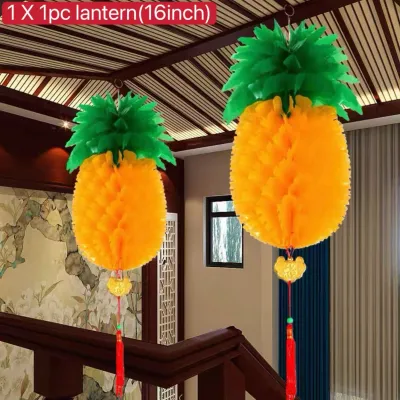
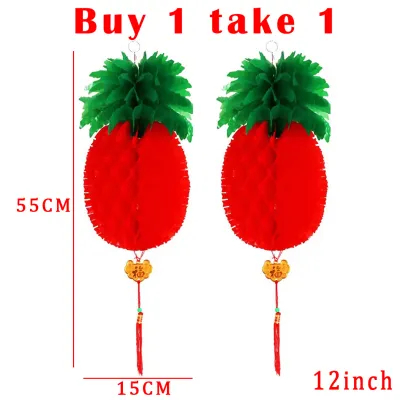
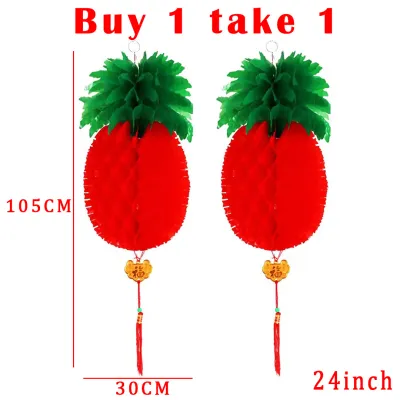
Prices are valid at publication and may change. Please refer to the product page for the latest price.
The light quality of these two options serves very different decorative purposes. The pinya lantern offers a subtle, ambient glow that emphasizes texture, warmth, and quiet sophistication, making it a beautiful focal point for intimate indoor gatherings. The LED parol, on the other hand, delivers high-lumen decorative lighting with vibrant colors and dynamic motion. It is designed to stand out, capturing attention from a distance and bringing a lively, celebratory energy to your holiday display.
Evaluating Placement and Environmental Suitability
When decorating in the tropical climate of the Philippines, environmental factors must dictate where you hang your holiday lanterns. Pinya lanterns are highly sensitive to moisture and humidity. The natural pineapple fibers can absorb water vapor from the air, which can lead to sagging, structural warping, or the growth of mold and mildew. To preserve their delicate beauty, pinya lanterns should be kept strictly indoors in dry, well-ventilated spaces, safely away from open windows, damp areas, and high-heat sources like kitchen stoves.

LED parols offer much greater placement flexibility, but they are not universally weatherproof. Before hanging an LED parol outdoors, you must verify the manufacturer’s Ingress Protection (IP) rating. An IP44 rating or higher is generally required for outdoor exposure, indicating the unit can withstand dust and splashing water. If a parol lacks a clear IP rating or outdoor certification on its label, it should be treated as an indoor-only decoration to prevent electrical short circuits and material degradation.
Structural support and electrical safety are critical for both types of installations. Large parols, especially those with heavy acrylic casings or internal transformers, require secure anchoring to ceiling hooks or wall brackets that can safely support their weight. Always route electrical cords neatly along walls or corners using insulated cable clips to prevent tripping hazards. For any outdoor installation, ensure that all connections are plugged into a Ground Fault Circuit Interrupter (GFCI) outlet, and consult a qualified professional if you need to modify fixed wiring or install heavy fixtures at a height.
Comparing Maintenance, Storage, and Longevity
Maintaining these decorations during the festive season requires different levels of effort. Pinya lanterns demand a gentle touch due to their organic, woven construction. You should never use liquid cleaners, damp cloths, or chemical sprays on pinya fiber, as moisture can stain the material or weaken the adhesive holding it to the frame. Instead, use a soft, dry microfiber cloth or a clean feather duster to gently sweep away accumulated dust from the weave.
LED parols are significantly easier to clean and maintain. Once the unit is completely unplugged and powered down, you can wipe the smooth acrylic or plastic surfaces with a slightly damp cloth to remove dust, dirt, or outdoor grime. Allow the housing to dry completely before reconnecting the power. Because the light sources are sealed diodes, you do not have to worry about dust settling inside individual bulb sockets.
Off-season storage is where the longevity of your investment is decided. Pinya lanterns must be stored in a dry, breathable container, such as a sturdy cardboard box lined with acid-free tissue paper, to prevent moisture buildup. Avoid plastic storage bags, which can trap humidity and encourage mold. To protect the natural fibers from pests, place natural cedar blocks or silica gel packets inside the box. LED parols should be stored in a cool, dry place with their power cables loosely coiled to prevent internal wire damage, and the acrylic faces should be wrapped in bubble wrap to prevent scratching.
In terms of overall lifespan, LED parols generally offer greater durability. Many modern LED units feature replaceable power adapters or modular light strips, allowing you to repair minor electrical issues rather than replacing the entire unit. A pinya lantern, while durable if kept in a pristine indoor environment, is fragile and irreplaceable once the natural woven fiber suffers a major tear, puncture, or severe water staining.
Assessing Budget and Value Considerations
Understanding the price drivers for each lantern type helps you evaluate their long-term value. The cost of a pinya lantern is primarily driven by the manual labor involved in harvesting, processing, and weaving the pineapple fibers, as well as the skill required to assemble the delicate frame. Because these are handmade, artisanal products, larger or custom-designed pinya lanterns carry a premium price tag that reflects their unique craftsmanship and support for local weaving communities.
For LED parols, the price is determined by technological features and material quality. Basic models with static lights are highly affordable, while premium parols featuring programmable microcontrollers, multi-color chasing patterns, remote controls, and heavy-duty weatherproof housing sit at a higher price point. When purchasing an LED parol, look for models that carry recognized electrical safety certifications, as this ensures the internal wiring and power adapters meet reliable manufacturing standards.
When weighing long-term value, consider energy efficiency and replacement cycles. LED parols consume very little electricity, allowing you to run your holiday display for hours each evening without a significant increase in your utility bill. While a pinya lantern can be fitted with a low-wattage LED bulb to achieve similar energy savings, its vulnerability to environmental wear means it may need to be replaced sooner than a rugged, weather-resistant LED parol. Balance the cultural and aesthetic value of a handmade heirloom against the practical, multi-year utility of a modern electronic display.
Decision Framework: Choosing the Right Christmas Lantern
To finalize your purchase, match the characteristics of each lantern to your home’s specific layout and your personal decorating style.
Choose a traditional pinya lantern if:
- You want to showcase traditional craftsmanship and support local artisans.
- Your primary display location is a dry, well-ventilated indoor space like a living room or dining area.
- You prefer a soft, warm, and textured ambient glow over bright, flashing lights.
- You are willing to dedicate time to gentle dusting and careful, moisture-free off-season storage.
Choose an LED parol if:
- You plan to hang your decoration outdoors on a balcony, porch, or exterior wall.
- You want a highly visible, vibrant display with dynamic color-changing or chasing light patterns.
- You prefer a low-maintenance decoration that can be easily wiped clean and stored without extreme fragility.
- You want a durable, energy-efficient fixture designed to last for multiple holiday seasons with minimal risk of material degradation.
Before making your purchase, always verify the physical and electrical setup of your home. Ensure your chosen hanging location can support the weight of the fixture, check that you have safe access to a power outlet without overloading your circuits, and confirm that any outdoor-bound parol features clear weatherproofing labels and safety certifications.
Frequently Asked Questions (FAQ)
Can I use a pinya lantern outdoors if it is covered by a roof?
It is generally not recommended to hang a pinya lantern outdoors, even under a covered patio or porch. In tropical climates, ambient humidity can be exceptionally high, and strong winds can easily blow rain sideways onto the lantern. The natural pineapple fibers will absorb this moisture from the air, which can cause the weave to sag, lose its tension, or develop mold. To protect the delicate material, keep pinya lanterns strictly indoors unless the manufacturer explicitly states the item has been treated with a specialized, weather-resistant protective coating.
Are LED parols safe to leave on overnight?
While LED technology runs significantly cooler than traditional incandescent bulbs, leaving any electrical decoration running unattended overnight is not recommended. Always check the manufacturer’s instructions for the maximum recommended continuous run time. To ensure safety, make sure the power adapter is placed in a well-ventilated area where heat can dissipate freely. For peace of mind and energy savings, consider plugging your LED parol into an automated timer or a smart plug programmed to shut the display off during late-night hours.

Community discussion
Share your experience or ask a question. Comments are reviewed before publication.