
As the breeze cools and the calendar turns to the later months of the year, homes across the Philippines begin to transform. At the center of this transformation is the Christmas parol, a star-shaped lantern that serves as a cherished symbol of hope, warmth, and holiday cheer. Hanging a parol is a beloved tradition, but choosing the right one requires balancing sentimental value with practical home considerations. Today, homeowners face a choice between traditional handmade parols crafted from natural materials and modern LED-powered designs packed with convenient features. Deciding which style fits your home involves evaluating your display space, power access, and aesthetic preferences.
Defining Your Display Goals and Space Requirements
Before purchasing a parol, it is essential to assess where and how you plan to display it. The tropical climate of the Philippines presents unique challenges, particularly during the holiday season when sudden downpours or high humidity can affect outdoor decorations. If you plan to hang your lantern on an open balcony, an outdoor gate, or an uncovered porch, it will be exposed to wind, moisture, and ambient heat. Conversely, indoor displays or well-sheltered areas like a covered veranda offer a more controlled environment, allowing you to choose delicate materials without worrying about weather damage.
Power access and cord management are equally critical factors in your decision. Traditional and modern lanterns both require a reliable power source, but their electrical demands and plug configurations differ. You must map out the distance from your desired hanging spot to the nearest electrical outlet, ensuring you can route cords safely without creating tripping hazards or exposing plugs to rain. Using outdoor-rated extension cords and weatherproof outlet covers is a necessity for any exterior setup.
Products mentioned in this guide
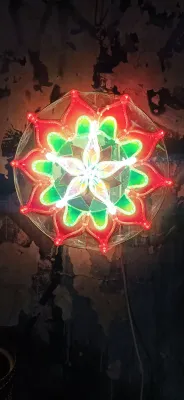
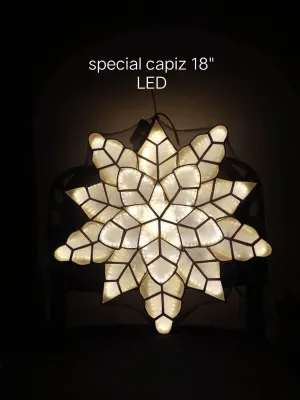
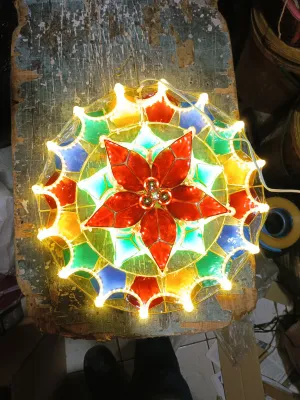
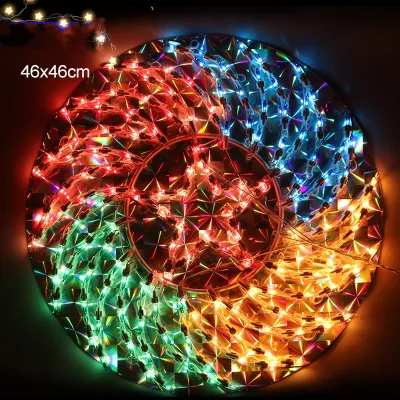
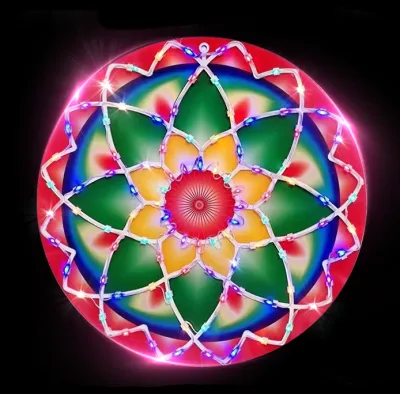
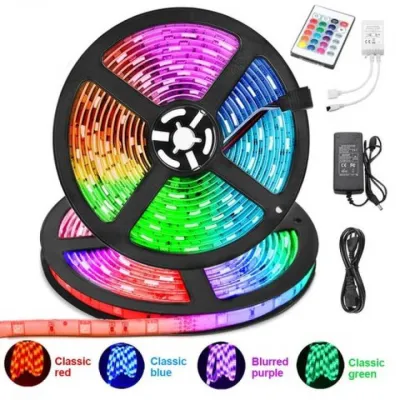
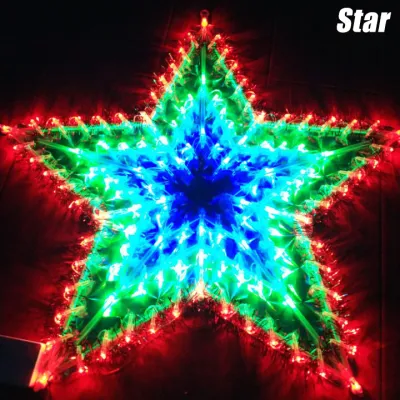
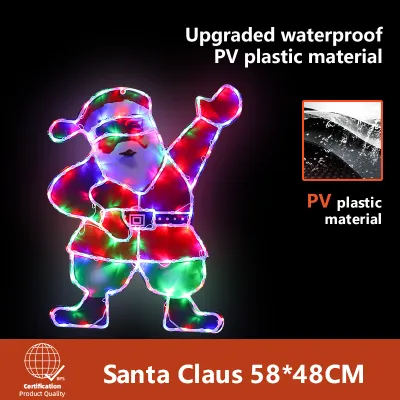
Prices are valid at publication and may change. Please refer to the product page for the latest price.
Finally, consider the visual impact you want to achieve. Some homeowners prefer a steady, warm, nostalgic glow that evokes memories of classic family gatherings. Others seek a vibrant, dynamic display with shifting colors and animated light patterns that catch the eye from down the street. Defining these goals early will narrow down your choices and ensure your holiday display brings joy rather than installation headaches.
Exploring Traditional Handmade Parols
Traditional handmade parols are celebrated for their organic beauty and deep connection to local craftsmanship. These lanterns typically feature a lightweight bamboo frame, which is then covered with either translucent capiz shells or colorful paper (such as papel de hapon). Capiz shell parols are particularly prized for their elegant, pearlescent quality, which diffuses light into a soft, warm glow that modern plastics struggle to replicate. Because many of these pieces are handmade by local artisans, buying one directly supports traditional crafting communities.

When displaying a traditional parol, lighting compatibility and heat management must be your top priorities. Many heritage parols are designed to use standard incandescent bulbs, which can generate significant heat over hours of continuous operation. You must verify the manufacturer’s maximum wattage limit and inspect the internal socket interface to prevent overheating, which can warp capiz shells, dry out bamboo frames, or pose a fire hazard to paper elements. Always check that the wiring is intact and that the bulb does not directly touch the outer casing.
These natural materials are highly suited for indoor focal points, such as living room windows, or highly protected outdoor spaces like deep, covered entryways. Their primary limitation is their vulnerability to environmental factors. High humidity can weaken paper glues, strong winds can crack delicate capiz panels, and direct rain can ruin the entire structure. If you choose a traditional parol, accept that it requires careful handling and a sheltered environment to preserve its beauty for future seasons.
Evaluating Modern LED Parols
Modern LED parols offer a highly practical alternative designed to withstand the demands of contemporary holiday decorating. These lanterns utilize light-emitting diodes integrated into durable frames made of acrylic, plastic, or metal wire wrapped in weather-resistant rope lights. The primary appeal of LED parols lies in their convenience features, which often include built-in timers, remote controls, and programmable settings that allow you to switch between steady, flashing, or color-changing modes with the press of a button.
From a performance standpoint, LED technology is highly energy-efficient and runs exceptionally cool. This low heat output significantly reduces fire risks, making them safer to leave on for extended periods, even near curtains or synthetic decorations. Furthermore, many LED parols are specifically engineered for outdoor use, featuring sealed electrical components and robust casings that resist rain, wind, and intense tropical sun. This makes them the ideal choice for high-exposure areas like rooflines, gates, and open balconies.
However, modern LED parols do come with trade-offs. They often lack the unique, artisanal character of handmade capiz or paper lanterns, sometimes presenting a more standardized, commercial appearance. Additionally, many LED models rely on specific proprietary power adapters or integrated control boxes. If these electronic components fail due to power surges or water ingress, finding a compatible replacement can be difficult, sometimes requiring you to replace the entire unit rather than simply swapping out a standard light bulb.
Side-by-Side Comparison for Quick Decision-Making
To help you decide which parol fits your household, it is helpful to compare their key attributes side by side. Traditional parols excel in aesthetic warmth, cultural authenticity, and supporting local craftsmanship, but they require high maintenance and offer virtually no weather resistance. Modern LED parols dominate in durability, energy efficiency, and ease of use, but they may lack that classic, organic feel.
In terms of cost, traditional paper parols occupy the most budget-friendly tier, while intricate capiz shell designs sit at premium ₱ price points due to the labor-intensive harvesting and framing process. LED parols span a wide range, from affordable mid-tier plastic models to high-end, large-scale animated displays that represent a significant upfront investment in ₱ but offer long-term savings on electricity bills.
Your choice ultimately depends on your household profile. “The Heritage Enthusiast”—someone who cherishes classic Filipino holiday aesthetics and has a secure, indoor space—will find the timeless beauty of a capiz parol unmatched. On the other hand, “The Convenience Seeker”—who wants a hassle-free, set-and-forget outdoor display that can survive the elements—will find a practical solution in a modern LED model. For those torn between the two, hybrid options are increasingly available, featuring traditional capiz shell exteriors illuminated by cool, energy-efficient LED bulbs inside.
Installation, Safety, and Maintenance Checks
Regardless of the parol style you choose, proper installation and safety checks are vital to protect your home and family. Before hanging any lantern, verify its voltage compatibility with your home’s electrical system (standard 220V in the Philippines). Inspect the entire length of the power cord for any signs of fraying, exposed wires, or cracked insulation. Never overload your wall sockets, and avoid daisy-chaining multiple extension cords together, as this can lead to overheating and electrical fires.
Hanging your parol securely requires matching the mounting hardware to the weight of the lantern and the surface material. Lightweight paper parols can often be hung with simple adhesive hooks, but heavier capiz or large LED models require sturdy metal hooks anchored into ceiling joists or solid wall frames. Use high-tensile nylon cords or metal chains to suspend the lantern, ensuring it cannot swing violently in sudden gusts of wind and strike nearby windows or walls.
When the holiday season ends, proper storage is key to ensuring your parol lasts for years to come. Clean the lantern thoroughly according to its material requirements, and store it in a sturdy, crush-proof box. For natural materials like capiz and bamboo, place silica gel packets inside the storage container to absorb excess moisture and prevent mold growth during the humid off-season. Store the box in a cool, dry place away from pests.
Finally, know your limits when it comes to installation. If your display requires fixed wiring, connecting directly to your home’s main electrical panel, or working at extreme heights on multi-story facades, stop and consult a qualified professional. It is always safer to hire a licensed electrician to handle complex outdoor wiring or high-ceiling mounts rather than risking personal injury or electrical hazards.
Frequently Asked Questions (FAQ)
Can I use an LED bulb in a traditional capiz parol?
Yes, you can often use an LED bulb in a traditional capiz parol, provided the bulb matches the socket base (such as E12 or E27) and fits physically within the frame. Swapping to an LED bulb is highly recommended because it generates significantly less heat than a traditional incandescent bulb, protecting the delicate capiz shells and bamboo frame from heat damage. However, always verify the manufacturer’s or artisan’s guidelines first, and ensure the LED bulb is rated for the correct voltage and is not pressed tightly against the natural materials.
How do I clean a capiz shell parol without damaging it?
To clean a capiz shell parol safely, start by unplugging the unit from the wall. Use a soft, dry microfiber cloth or a feather duster to gently remove accumulated dust from the surface of the shells and the frame. For slightly stubborn spots, you can use a barely damp cloth, but avoid using harsh chemical cleaners, glass sprays, or abrasive scrubbers, as these can strip the natural pearlescent luster of the capiz. Before hanging it back up, inspect the frame for any loose joints or cracked shells that may need minor repairs.

Community discussion
Share your experience or ask a question. Comments are reviewed before publication.