
Living in a modern condominium in the Philippines often means working with limited vertical space. Standard ceiling heights in many local developments range from 2.4 to 2.6 meters, leaving little room for bulky chandeliers or hanging pendant fixtures that can make a room feel cramped and dark. An ultra-slim LED flat light offers an elegant, space-saving alternative by mounting flush against the ceiling, preserving valuable headroom while providing bright, even illumination.
However, finding the right fixture for your unit involves more than simply picking the thinnest model on an online marketplace. You must evaluate physical dimensions, light output, thermal management, and electrical compatibility with local standards. This guide provides a practical framework to help you assess your space, understand key technical specifications, and build a reliable shortlist of fixtures that will perform safely and look seamless in your home.
Assessing Ceiling Clearance and Fixture Dimensions
Before purchasing any lighting fixture, you must measure your actual floor-to-ceiling height to understand your physical limits. Use a reliable steel tape measure to check the distance from the finished floor to the concrete slab or gypsum board ceiling in multiple areas of the room. This is particularly important in high-rise units where structural beams, utility pipes, or concrete imperfections can cause slight variations in height across a single room.
Products mentioned in this guide
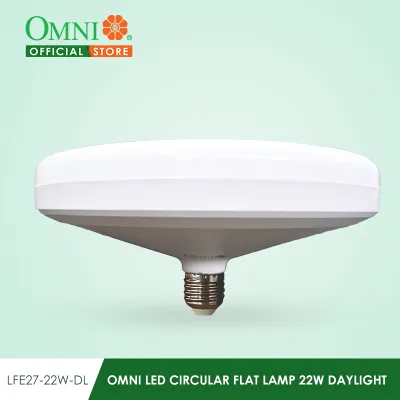
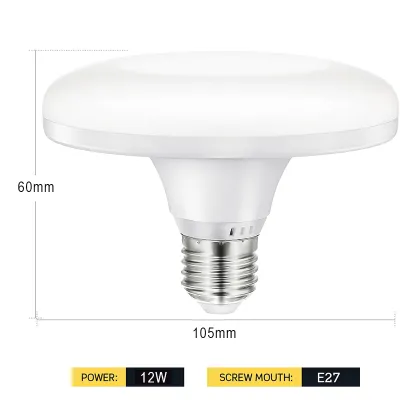
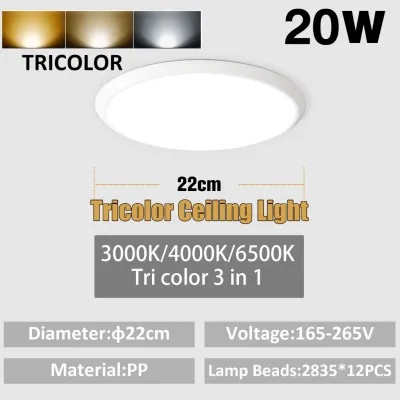
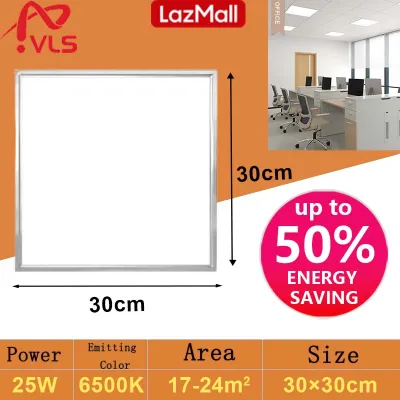
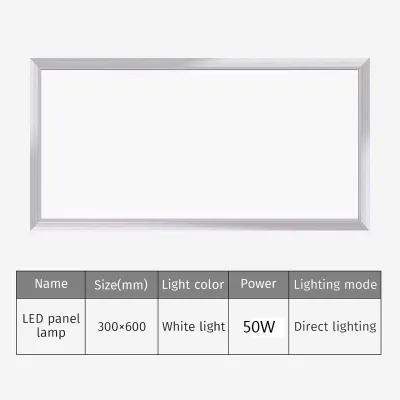
Prices are valid at publication and may change. Please refer to the product page for the latest price.
Take note of any existing ceiling obstructions that could interfere with a flush-mounted fixture. Fire sprinkler heads, structural concrete beams, air conditioning vents, and utility access panels all dictate where a light can be safely positioned. For instance, placing a wide flat light too close to a sprinkler head may violate building safety codes or block the spray pattern in an emergency.
To qualify as truly “ultra-slim” for a low-ceiling environment, a surface-mounted LED flat light should ideally have a profile thickness of 2.5 centimeters or less. Fixtures within this range blend seamlessly into the ceiling plane, creating an illusion of integrated architectural lighting without the need to drop the entire ceiling with drywall, which would reduce your precious headroom even further.
The design of the mounting canopy or base plate is critical to achieving this flush look. If your condo has a solid concrete ceiling—a common construction method in the Philippines—the fixture must have a flat back and a low-profile mounting bracket that leaves no visible gaps between the housing and the concrete. Any gap not only ruins the clean aesthetic but also becomes a gathering point for dust, moisture, and small insects.
If you are mounting onto a suspended gypsum or drywall ceiling, you have slightly more flexibility. You can consider ultra-slim recessed panel lights, which require a cutout in the ceiling board. These fixtures often feature spring-loaded clips that pull the ultra-thin bezel tight against the drywall surface, keeping the entire body of the light hidden within the shallow ceiling cavity.
Optimizing Brightness and Color for Compact Rooms
When selecting an LED flat light, look at the lumen output rather than the wattage. Wattage only measures how much electricity the fixture consumes, whereas lumens indicate the actual amount of light emitted. In a compact condo room, over-lighting can cause uncomfortable glare, while under-lighting makes the space feel smaller and gloomy.

As a general rule of thumb, living rooms and bedrooms require approximately 20 to 30 lumens per square foot, while kitchens and bathrooms need brighter task lighting of around 50 to 70 lumens per square foot. To calculate your needs, multiply the square footage of your room by these target values. For example, a small 100-square-foot bedroom would benefit from a fixture, or a combination of fixtures, delivering roughly 2,000 to 3,000 lumens.
Color temperature, measured in Kelvin (K), significantly influences the perceived size and atmosphere of a room. Warm white light (2700K to 3000K) creates a cozy, relaxing environment suitable for bedrooms and dining areas, but it can sometimes make a low-ceiling room feel slightly enclosed if it is the only light source. Cool white (4000K) offers a balanced, neutral light that mimics natural daylight, making it an excellent choice for living rooms and home offices because it keeps spaces looking open, clean, and vibrant.
Daylight color temperatures (6000K to 6500K) are highly popular in the Philippines for their crisp, bright quality, which is ideal for high-utility areas like kitchens, bathrooms, and laundry zones. However, in a low-ceiling living space, excessive daylight-toned light can feel clinical or harsh. Consider fixtures with selectable color temperature switches on the driver, allowing you to adjust the ambiance after installation.
You must also choose between edge-lit and back-lit panel designs. Edge-lit flat lights place the LED chips along the frame, directing the light sideways into a light guide plate that disperses it downward. This design produces an incredibly uniform, glare-free glow with an ultra-thin profile. Back-lit panels place the LEDs directly behind the diffuser; while they are often highly efficient, they tend to be slightly thicker to allow the light to spread evenly without creating hot spots.
Verifying Electrical Compatibility and Installation Needs
Electrical safety is paramount when installing new light fixtures in a condominium. In the Philippines, the standard residential power supply is 220V to 240V alternating current (AC) running at a frequency of 60Hz. You must verify that any LED flat light you purchase is rated specifically for this voltage and frequency range, as fixtures designed solely for 110V or 50Hz markets will fail prematurely or present a serious fire hazard.
Most modern LED flat lights feature an integrated or built-in driver that converts the high-voltage AC power from your wall into the low-voltage direct current (DC) required by the LED chips. Ensure this driver is housed in a fire-retardant casing and is certified by relevant safety bodies. Look for local quality marks such as the Philippine Standard (PS) mark or the Import Commodity Clearance (ICC) sticker, or recognized international certifications like CE, RoHS, or UL.
Before purchasing, check the dimensions of your existing ceiling junction box. Standard utility boxes in local condos are often circular or octagonal plastic or metal boxes embedded directly into the concrete slab. The mounting bracket of your chosen LED flat light must align with the screw holes of these standard boxes. If the bracket does not match, you may need to purchase a universal adapter plate or carefully drill new mounting holes, taking extreme care not to damage any embedded electrical conduits.
Weight is another critical factor, especially for surface-mounted fixtures on drywall ceilings. While ultra-slim LED flat lights are generally lightweight, you must ensure that your ceiling structure and junction box can safely support the weight of the fixture over time. Never hang a fixture directly from the electrical wires; always secure the mounting bracket firmly to the junction box or the ceiling joists.
For any installation involving fixed electrical wiring, always isolate the power at the main circuit breaker before touching any wires. If your condo has solid concrete ceilings, drilling mounting holes requires a rotary hammer drill and masonry bits, which can be challenging to align perfectly. If you are uncomfortable working with electrical wiring, climbing ladders, or drilling into concrete, it is highly recommended to hire a licensed electrician to ensure a safe, secure, and code-compliant installation.
Building Your Shortlist: Key Features to Compare
As you browse local lighting showrooms or online marketplaces, creating a structured comparison checklist will help you filter out low-quality options. Start by checking if the LED flat light is dimmable. Dimmable fixtures offer immense flexibility in multi-use condo spaces, allowing you to lower the light levels for movie nights or raise them for detailed tasks. However, you must verify that the fixture’s dimming protocol (such as triac dimming) is fully compatible with your wall dimmer switch or smart home system to avoid annoying flickering.
Examine the build materials of the fixture housing. Aluminum is the preferred material for ultra-slim lights because it acts as an excellent heat sink, drawing warmth away from the sensitive LED chips and dissipating it into the surrounding air. In the warm, humid tropical climate of the Philippines, effective heat dissipation is crucial for preventing premature LED degradation. Avoid fixtures made entirely of cheap, thin plastics, as they tend to trap heat, yellow over time, and warp under constant thermal stress.
Review the warranty terms and return policies offered by the manufacturer or retailer. A reputable brand should offer at least a one-year to two-year warranty on both the LED panel and the driver. Because drivers are typically the first component to fail in an LED system, a solid warranty provides peace of mind and protects your investment.
Finally, inspect the physical build quality of the diffuser. The diffuser should be made of high-quality polycarbonate or acrylic that distributes light evenly without showing individual LED “hot spots” or yellowing under UV exposure. Press gently on the diffuser to ensure it is securely sealed within the frame; a tight seal prevents dust, moisture, and small insects from entering the fixture, keeping your ceiling light looking clean and bright for years to come.
Frequently Asked Questions (FAQ)
Can I install an ultra-slim LED flat light without a junction box?
In the Philippines, electrical codes and condominium house rules strictly require the use of a junction box for all permanent ceiling light installations. The junction box serves as a protective enclosure for wire splices, preventing accidental electrical shocks and containing any sparks or heat that could lead to a fire. Attempting to connect wires directly inside a concrete ceiling slab without a box is highly dangerous and violates safety standards. If your ceiling lacks a recessed box, you must use a surface-mounted junction box or select a surface-mount LED flat light that features an integrated, code-compliant wiring compartment within its own canopy.
Do ultra-slim LED lights get hot in enclosed condo ceilings?
While LED lights are far more efficient than traditional incandescent bulbs, they still generate heat, primarily at the back of the LED chips where the electrical conversion occurs. In ultra-slim fixtures, this heat must be dissipated quickly because there is very little physical space inside the housing. If a fixture is mounted flush against a solid concrete ceiling with zero airflow, heat can build up, potentially shortening the lifespan of the internal driver and LED chips. To prevent overheating, choose fixtures with aluminum backplates that act as heat sinks, and ensure the room maintains adequate ventilation. If you notice the light flickering, dimming unexpectedly, or emitting a faint plastic odor, turn off the power immediately and have a professional inspect the fixture.

Community discussion
Share your experience or ask a question. Comments are reviewed before publication.