
Living in a modern condominium in the Philippines often means adapting to compact architectural layouts. With typical ceiling heights in these units ranging from 2.4 to 2.7 meters, choosing the wrong overhead fixtures can quickly make a home feel cramped or visually cluttered. Traditional hanging chandeliers or bulky, deep-set ceiling fixtures eat into precious vertical space, creating a claustrophobic atmosphere.
The key to opening up these compact living spaces is the strategic use of ultra-slim pin lights. These low-profile fixtures—whether recessed seamlessly into a drop ceiling or mounted flush against a solid concrete slab—maximize headroom while delivering clean, efficient, and modern illumination. By selecting fixtures designed specifically for tight vertical clearances, you can create the illusion of a loftier, more spacious home.
However, finding the perfect pin light for a Philippine condo involves more than simply picking an attractive design. You must carefully evaluate physical dimensions, electrical specifications, thermal management, and building administration guidelines. This comprehensive guide outlines the critical parameters and installation boundaries you need to navigate to make an informed decision for your space.
Products mentioned in this guide
Prices are valid at publication and may change. Please refer to the product page for the latest price.
Critical Specifications for Low-Ceiling Pin Lights
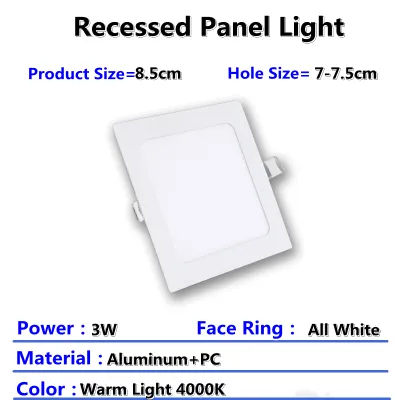
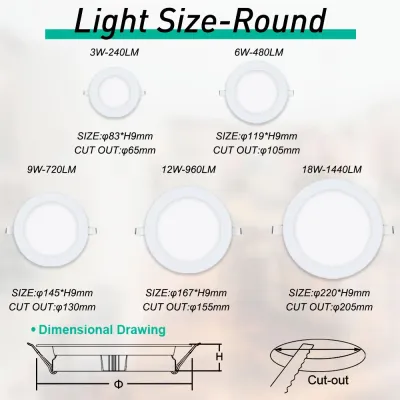
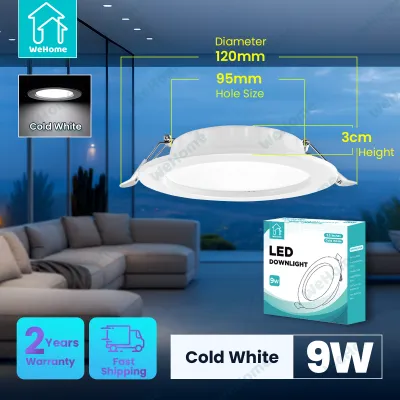
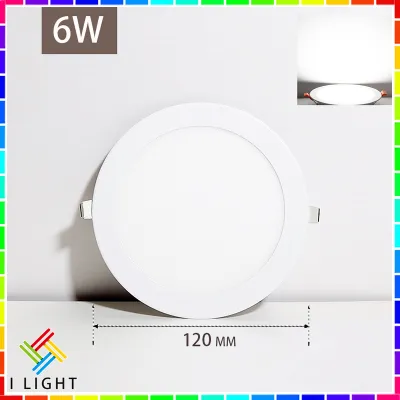
When shopping for pin lights for a low-ceiling condo, physical dimensions are your primary constraint. The profile and thickness of the fixture determine whether it can physically fit into your ceiling structure. For recessed installations, you must measure the exact drop from the structural concrete slab to the underside of the gypsum board ceiling. This space, known as the ceiling void, is often as shallow as 50mm or less in modern developments. To ensure a safe fit, look for ultra-slim recessed downlights with a total fixture height of 20mm to 30mm, leaving a small safety buffer for air circulation and wiring.
Wattage and lumen output require careful calibration when the light source sits closer to eye level. In a room with a 2.4-meter ceiling, high-wattage fixtures can produce intense, uncomfortable glare and localized heat buildup. Instead of focusing solely on wattage, evaluate the lumen output, which measures the actual brightness of the light. For general ambient lighting in a compact condo living room or bedroom, fixtures delivering 400 to 700 lumens (typically equivalent to a 5W to 9W LED) are usually sufficient. This range provides ample illumination without overwhelming the senses or creating harsh, clinical glare.
Beam angle and light distribution patterns play a decisive role in how spacious your condo feels. Wide beam angles, typically between 90 and 120 degrees, are highly recommended for low-ceiling environments. These wide angles distribute light horizontally across a broader area, softening shadows and helping to illuminate the upper portions of walls, which visually expands the room. Conversely, narrow beam angles of 24 to 36 degrees create concentrated pools of light. While excellent for highlighting artwork or specific task areas, relying solely on narrow beams in a low-ceiling space can result in a “cave effect,” where the ceiling remains dark and the floor is marked by harsh, high-contrast spots.
Electrical compatibility is another non-negotiable specification. The standard electrical grid in the Philippines operates at 220V with a frequency of 60Hz. Many imported lighting fixtures are designed for 50Hz grids; while they may function initially, operating them on a 60Hz system can cause the internal drivers to overheat, flicker, or fail prematurely. Always verify that the fixture’s driver is rated explicitly for 220V and 60Hz. Additionally, consider the physical placement of the LED driver. External drivers—separate, slim plastic or metal boxes connected to the light fixture by a wire—are highly advantageous for low-profile installations. They can be tucked neatly to the side of the fixture within the ceiling void, keeping the overall height of the visible light unit as thin as possible.
Space-Efficient Pin Light Form Factors
Preserving vertical space requires choosing the right structural form factor for your specific ceiling type. Different architectural designs dictate whether you should recess your lights or mount them directly to the surface.

Ultra-Slim Flush Mount Fixtures
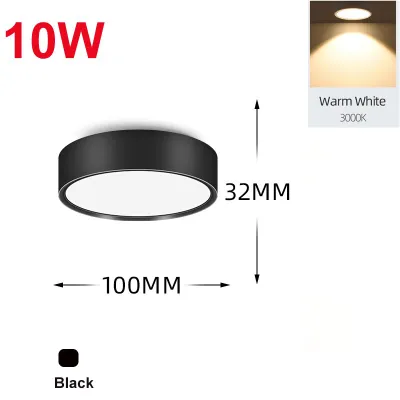
For condos featuring solid concrete ceiling slabs where cutting or recessing is structurally impossible, ultra-slim flush mount fixtures are the ideal solution. These surface-mounted pin lights hug the ceiling directly, protruding minimally into the room to preserve vertical clearance. When evaluating these fixtures, you will generally choose between edge-lit and back-lit designs.
Edge-lit flush mounts arrange the LED chips along the inner perimeter of the frame, directing the light sideways into a light guide plate that disperses it downward through a frosted diffuser. This design allows the fixture to achieve an incredibly thin profile, often under 15mm, while producing a soft, uniform glow with virtually no visible hot spots. Back-lit flush mounts, on the other hand, position the LEDs directly behind the diffuser pointing downward. While back-lit models are slightly thicker to allow the light to mix and prevent spotting, they are often more energy-efficient and cost-effective, making them a practical choice if a slightly larger profile is acceptable.
Low-Profile Recessed Downlights
If your condo features existing drop ceilings, furred-down plasterboard bulkheads, or decorative cove details, low-profile recessed downlights offer a clean, seamless aesthetic. Because the body of the fixture is hidden entirely within the ceiling cavity, the light face sits flush with the plasterboard, creating an unobstructed ceiling plane that makes the room feel taller.
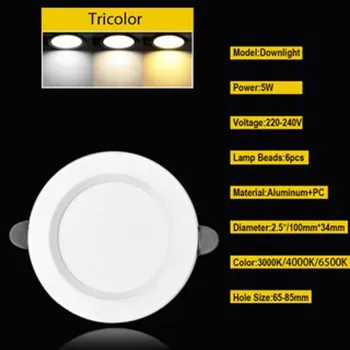
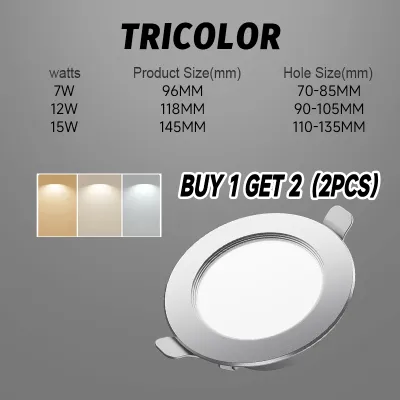
The critical factor for these installations is the required ceiling void depth. Traditional recessed cans can require up to 100mm of clearance, which is rarely available in modern condos. Ultra-slim recessed pin lights utilize integrated LED technology to reduce the required depth to a mere 25mm to 40mm. When selecting these fixtures, pay close attention to the mounting mechanisms. Spring-clip mechanisms, which feature two spring-loaded metal arms that fold back and grip the top of the gypsum board, are standard for slim downlights because they require minimal lateral space. Torsion-spring mechanisms are more common in heavier, commercial-grade fixtures and may require more vertical clearance. Additionally, ensure the fixture is rated for use in enclosed spaces, as heat dissipation is limited within tight plasterboard cavities.
Surface-Mounted Slim Cylinders
For homeowners who want to add architectural interest without the complexity of installing a drop ceiling, surface-mounted slim cylinders offer a stylish and functional alternative. These cylindrical pin lights mount directly to concrete slabs or junction boxes, providing focused, directional light while maintaining a modern, minimalist aesthetic.
When choosing slim cylinders, consider whether you need adjustable or fixed heads. Adjustable cylinders allow you to tilt and rotate the light source, making them excellent for accent lighting, washing walls with light, or directing illumination toward functional zones like a dining table or kitchen counter. Fixed heads project light straight down, providing clean, direct ambient lighting. Be mindful of the visual weight of these fixtures in a small room; multiple dark-colored or bulky cylinders can make a low ceiling feel lower. Opting for slim, white-finished cylinders that match the ceiling color helps them blend into the background. If you require maximum flexibility, low-profile track lighting systems can serve as an alternative, allowing you to slide and adjust multiple small fixtures along a single, surface-mounted track powered by one electrical outlet.
Condo Installation Rules and Safety Boundaries
Modifying a condominium ceiling in the Philippines requires a clear understanding of both structural limitations and administrative regulations. Before purchasing any fixtures or hiring a contractor, you must identify the exact construction of your ceiling. Most modern condos feature a combination of structural poured concrete slabs (typically in the main living areas) and gypsum board drop ceilings suspended on metal framing (often in kitchens, bathrooms, and hallways to hide plumbing and electrical conduits).
Condominium administrations enforce strict rules regarding structural modifications to protect the building’s integrity and ensure tenant safety. Chipping, drilling deep holes, or core-boring into structural concrete slabs is almost universally prohibited. Doing so can damage embedded tension cables, structural rebar, or shared utility lines, leading to severe structural hazards and heavy administrative fines. If your ceiling is solid concrete, you must limit your lighting choices to surface-mounted fixtures, track lighting, or slim profile channels that can be installed using shallow masonry anchors.
For drop ceilings made of gypsum board or plasterboard, modifications are much easier, but you must still navigate the underlying metal framing. Cutting through a metal stud or furring channel to fit a recessed pin light can weaken the ceiling support structure. Always use a stud finder to locate the metal framing before cutting holes for recessed fixtures. If your lighting plan requires extensive rewiring, adding new switch lines, or modifying the main circuit breaker panel, you must stop and consult a qualified professional. Hiring a licensed electrician ensures that all work complies with the Philippine Electrical Code (PEC) and prevents dangerous electrical overloads or short circuits.
Safety should always be your top priority during any installation process. Before attempting to replace or install any lighting fixture, locate your condo’s main distribution panel and switch off the circuit breaker dedicated to the lighting loop. Use a reliable, non-contact voltage tester at the ceiling wires to verify that the power is completely disconnected before touching any bare copper. Additionally, working at heights presents fall hazards. Always use a sturdy, non-conductive fiberglass A-frame ladder placed on a flat, stable surface. Avoid balancing on chairs, tables, or sofas, and ensure you have a helper nearby to secure the ladder and hand you tools.
Building Your Final Shortlist
Once you understand your structural limits and the technical specifications required, you can begin building a practical shortlist of pin lights. To ensure long-term satisfaction and safety, use a structured evaluation checklist when comparing different models in-store or through online catalogs.
First, prioritize eye comfort by checking for anti-glare features. Because low ceilings bring the light source closer to your line of sight, direct glare can cause eye strain and headaches. Look for pin lights equipped with frosted lenses, deep-set LED chips (where the light source is recessed slightly within the fixture’s collar), or honeycomb diffusers. These design elements diffuse the light output, creating a softer, more comfortable illumination pattern that does not shine directly into your eyes when you look across the room.
Second, verify the quality of the heat dissipation materials. LED fixtures generate heat at the back of the diode, and keeping this area cool is critical to preventing premature failure. Avoid fixtures constructed entirely of cheap, thin plastics, as they degrade quickly under tropical temperatures and poor ventilation. Instead, look for pin lights featuring aluminum housings or robust aluminum heat sinks. Aluminum is highly effective at drawing heat away from the sensitive LED chips, ensuring the fixture operates safely within its designed temperature limits even inside tight ceiling cavities.
Third, confirm dimmability and control compatibility. If you want to adjust the ambiance of your condo for movie nights or quiet evenings, ensure the pin lights you select are explicitly labeled as dimmable. You must also verify that the dimmable LED driver is compatible with your existing wall switches or smart home dimmers. Standard analog dimmers often cause non-compatible LEDs to flicker, buzz, or fail to turn off completely. If you plan to use smart bulbs or smart switches, check the manufacturer’s compatibility list to avoid installation headaches.
Finally, review the practical details of your purchase. Check the Ingress Protection (IP) ratings, especially for fixtures destined for moisture-prone areas like bathrooms, laundry zones, or directly above kitchen stoves. An IP44 rating or higher is recommended for these spaces to protect the internal electronics from steam, humidity, and water splashes. Additionally, carefully review the manufacturer’s warranty terms and the retailer’s return policy. Because external LED drivers are the most common component to fail over time, choosing a brand that offers a reliable warranty of at least one to two years provides valuable peace of mind.
Frequently Asked Questions (FAQ)
Can I install recessed pin lights in a solid concrete condo ceiling?
No, you cannot install recessed pin lights directly into a solid concrete ceiling slab. Recessing a fixture requires cutting a deep cavity into the ceiling, and chipping or core-drilling structural concrete is strictly prohibited by condominium administrations in the Philippines due to the risk of damaging structural rebar, tension cables, or embedded conduits. If your condo has a solid concrete ceiling, you must use surface-mounted slim pin lights, ultra-slim flush mount fixtures, or track lighting systems. These alternatives mount directly to the surface using shallow anchors, preserving both your vertical space and the structural integrity of the building.
What color temperature works best for a small condo with low ceilings?
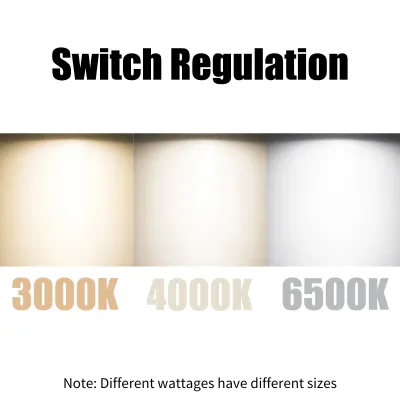
For a small condo with low ceilings, a consistent color temperature is essential to prevent the space from feeling visually fragmented. A warm white light (2700K to 3000K) is highly recommended for living areas and bedrooms, as it creates a cozy, inviting atmosphere and softens harsh shadows. For functional areas like kitchens, bathrooms, or home offices, a neutral white light (4000K) provides excellent clarity and task visibility without feeling too clinical. Avoid mixing vastly different color temperatures within the same open-plan area, as this visual contrast can make a compact space feel smaller and disjointed.
Do ultra-slim pin lights overheat in enclosed condo ceilings?
Ultra-slim pin lights can run hot if they are installed in tight, unventilated ceiling voids without proper thermal management. Because these fixtures have a very thin profile, they have less surface area to dissipate heat compared to traditional, deep-can downlights. To prevent overheating, always choose fixtures constructed with high-quality aluminum housings or dedicated heat sinks, which conduct heat away from the LED chips more efficiently than plastic. Additionally, ensure there is a small air gap around the fixture within the ceiling void, and avoid covering the light or its external driver with insulation materials unless the fixture is explicitly rated for direct insulation contact.

Community discussion
Share your experience or ask a question. Comments are reviewed before publication.