
To safely hang photo clip string lights outdoors in the Philippines, you must select a product with the correct Ingress Protection (IP) rating. For fully exposed outdoor areas like open gardens, patios, or fences, you need a minimum rating of IP65 to withstand heavy tropical downpours. For semi-sheltered spaces such as covered verandas, balconies, or deep eaves, an IP44 rating is generally sufficient to protect against splashing water and high humidity. Choosing the wrong rating can lead to short circuits, electrical hazards, and premature product failure under intense tropical weather conditions.
Understanding how these ratings work allows you to decorate your outdoor spaces without compromising safety. By matching the specific moisture levels of your installation spot to the correct level of protection, you can enjoy your illuminated photo displays throughout the changing seasons.
Decoding the IP Rating: What the Numbers Mean for String Lights
The Ingress Protection (IP) rating is an international standard used to define the levels of sealing effectiveness of electrical enclosures against intrusion from foreign bodies and moisture. This rating always consists of the letters “IP” followed by two digits. Understanding how to read these two numbers on your lighting packaging is the first step toward a safe outdoor setup.
Products mentioned in this guide
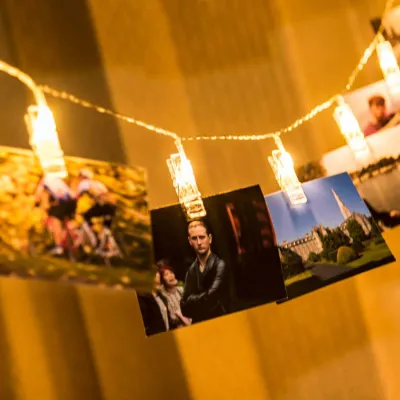
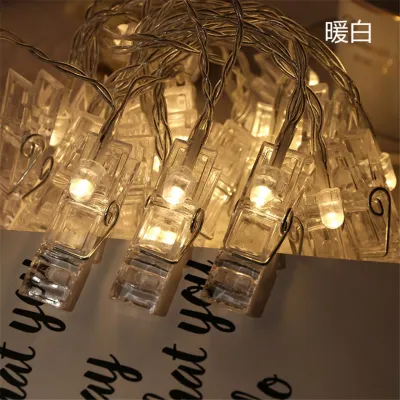
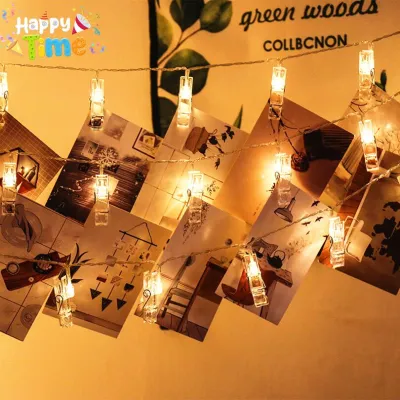
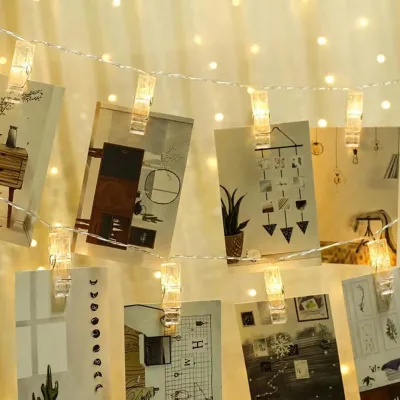
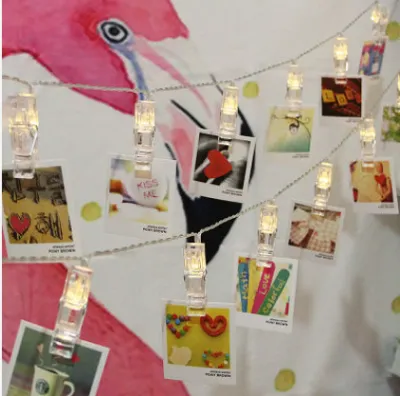
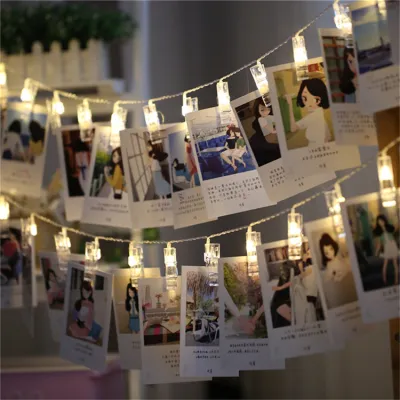
Prices are valid at publication and may change. Please refer to the product page for the latest price.
The first digit ranges from 0 to 6 and measures protection against solid particles, such as dust, dirt, and insects. For outdoor decorative lighting, a rating of 5 or 6 is ideal. A solid protection rating of 5 means the light is protected against dust build-up that could interfere with operation, while a rating of 6 means the unit is completely dust-tight. This prevents small insects and wind-blown grit from nesting inside the bulb sockets or wire connections.
The second digit is the most critical for outdoor installations in the Philippines, as it measures protection against liquids. This digit ranges from 0 to 9. A liquid protection rating of 4 indicates safety against splashing water from any direction. A rating of 5 or 6 indicates protection against water jets and heavy seas, which closely mimic the conditions of wind-driven tropical rain. If the second digit is lower than 4, the lights are not suitable for any outdoor exposure.
Before purchasing photo clip string lights, always locate the IP rating label. Manufacturers typically print this code on the product box, within the user manual, or on a physical, weather-resistant tag attached near the plug or power adapter. If a product packaging lacks an IP rating entirely, you should assume the lights are designed strictly for indoor use.
Matching IP Ratings to Your Outdoor Installation Spots
Selecting the right water resistance level depends heavily on where you plan to hang your photo clip string lights. Different zones of your home offer varying levels of protection from the elements, requiring you to match the IP rating to the specific microclimate of each spot.

Fully exposed areas include open gardens, perimeter fences, trellises, and uncovered decks. These locations receive the full force of the Philippine wet season, characterized by sudden, heavy downpours and strong winds. For these spots, lights rated IP65 or higher are highly recommended. An IP65-rated product is dust-tight and protected against water projected from a nozzle, ensuring that water cannot penetrate the seals even during a severe afternoon thunderstorm.
Semi-sheltered areas include covered patios, balconies with deep overhangs, and the underside of roof eaves. While these spots are shielded from direct vertical rainfall, they are still exposed to high ambient humidity, morning mist, and occasional wind-blown moisture. An IP44 rating is usually sufficient for these semi-sheltered environments, as it protects the electrical components from water splashes coming from any direction.
Regardless of the installation spot, the prolonged wet seasons and consistently high humidity in the Philippines accelerate the degradation of electrical components. Moisture can slowly seep into poorly sealed connections over time, causing corrosion. If your intended installation location is highly unique or exposed to unusual moisture sources, stop and consult the manufacturer’s guidelines to verify if the product can withstand those specific conditions.
Beyond the IP Rating: Other Outdoor Safety and Durability Checks
While the IP rating is a primary indicator of water resistance, overall outdoor safety requires verifying several other electrical and structural specifications. Ensuring compatibility with local infrastructure prevents electrical failures and hazards.
First, verify the voltage compatibility of the string lights. Standard household outlets in the Philippines operate at 220V. Ensure the product plug matches this voltage and fits securely into your outdoor-rated outlets. Outdoor outlets should be housed in weatherproof, IP-rated covers to prevent water from entering the socket while the lights are plugged in.
Next, inspect the physical construction of the string lights. Look for heavy-duty wire insulation, such as rubberized or thick PVC jackets, which resist cracking under intense tropical sun and rain. Check the connectors between the wire and the photo clips; these joints should feature tight rubber gaskets or silicone seals to prevent water from pooling inside the connection points.
Safety must always be your top priority during installation. Always isolate the power source by turning off the circuit breaker or unplugging the system before hanging, adjusting, or cleaning your lights. If your project involves fixed outdoor wiring, working at significant heights, or routing cables through highly damp garden areas, hire a qualified professional or licensed electrician to ensure the installation complies with local electrical codes.
Frequently Asked Questions (FAQ)
Can I leave photo clip string lights outside during heavy typhoons?
No, you should not leave photo clip string lights outside during heavy typhoons. IP ratings are determined under controlled laboratory conditions with steady water flow, not the extreme, high-velocity winds and torrential rains associated with tropical storms. Strong winds can tear the wires from their mountings, and flying debris can easily crack the bulb housings or damage the insulation. To prevent electrical hazards, short circuits, and physical damage to your property, always unplug and store the lights indoors before a typhoon arrives.
Do the photo clips themselves need to be waterproof?
While the electrical components of the string lights carry the official IP rating, the physical clips holding your photos also require durability checks. Standard plastic clips can become brittle and crack over time due to intense tropical UV exposure, while low-grade metal clips can rust quickly in high humidity. When selecting photo clip string lights for outdoor use, check the product specifications for UV-resistant plastics or rust-proof metal components, such as stainless steel, to ensure your photos remain securely attached.

Community discussion
Share your experience or ask a question. Comments are reviewed before publication.