
Installing modern outdoor wall lamps in covered corridors and entryways across the Philippines is a highly practical choice, but a simple roof does not shield fixtures from the country’s intense tropical climate. While a ceiling or canopy blocks direct vertical rainfall, ambient humidity, wind-driven monsoon rains, and coastal salt air can still penetrate these semi-outdoor spaces. Choosing the right fixture requires evaluating the specific micro-climate of your entryway and verifying the technical specifications of the wall lamp.
By selecting a fixture with the appropriate ingress protection and material composition, you can ensure long-term durability without sacrificing the clean lines and minimalist aesthetics of modern design. This guide outlines how to assess your semi-outdoor spaces, decode technical specifications, maintain the visual appeal of your fixtures, and execute a safe installation that complies with local electrical standards.
Assessing the Environment of Covered Corridors and Entryways
To determine if a modern wall lamp is suitable for your covered corridor, you must first analyze the physical layout of the space. Covered areas are not all created equal; they range from deeply recessed entryways to narrow, semi-exposed walkways. A deeply recessed entryway, set back several meters from the roofline, experiences minimal direct exposure to the elements. In contrast, a narrow corridor running along the side of a house may be shielded from direct sunlight but remains highly vulnerable to lateral wind-driven rain.
Products mentioned in this guide
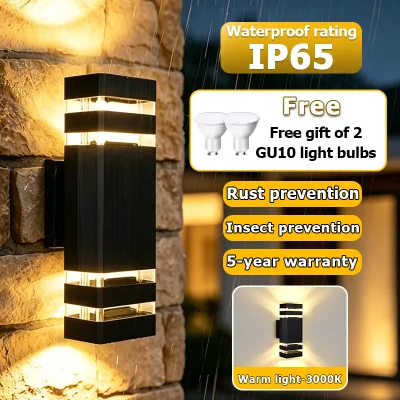
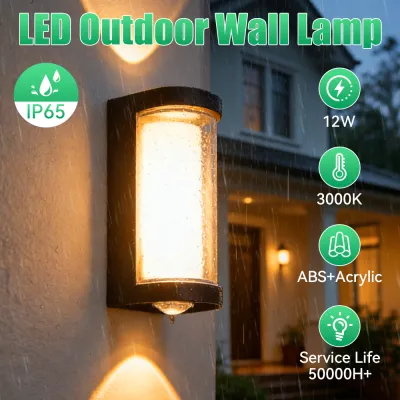
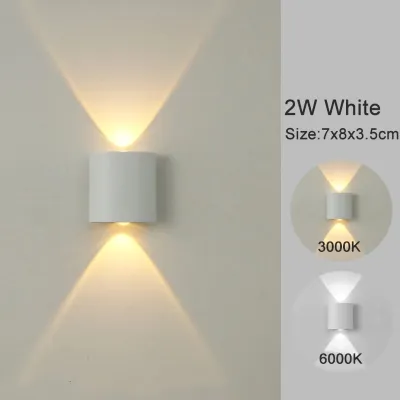
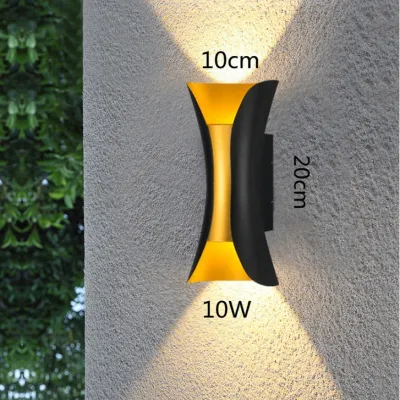
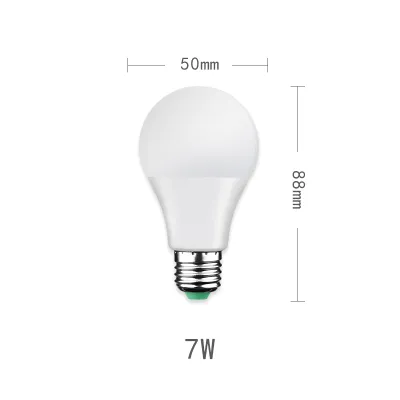
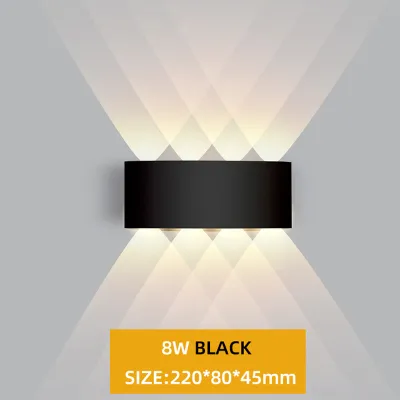
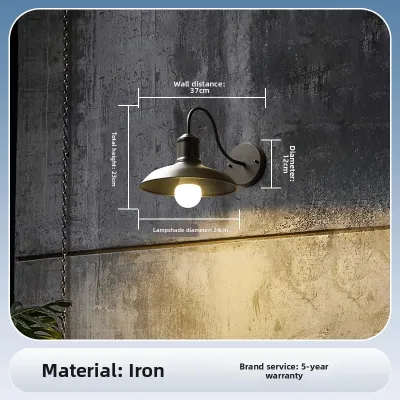
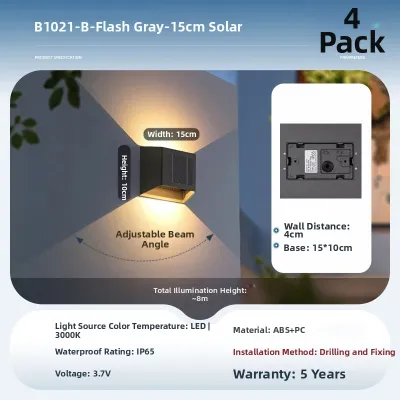
Prices are valid at publication and may change. Please refer to the product page for the latest price.
Micro-climate factors play a decisive role in the longevity of outdoor lighting in the Philippines. During the monsoon seasons, prevailing winds like the Habagat (southwest monsoon) and Amihan (northeast monsoon) can drive heavy rain horizontally, soaking walls that are technically under a roof. If your property is located in a coastal area, the air carries high levels of salt and moisture, which accelerates the corrosion of metal components. Even in landlocked urban areas, high ambient humidity levels—often exceeding 80 percent—create a persistent dampness that can seep into poorly sealed fixtures.
An outdoor rating becomes strictly necessary whenever a wall lamp is installed in a location where moisture, condensation, or splashing can occur. If the corridor is open to the elements on one or more sides, or if the floor regularly gets wet during a storm, the wall lamp must be rated for outdoor use. Relying on indoor fixtures in these transitional zones often leads to premature electrical failure, short circuits, and rapid aesthetic deterioration.
Translating Outdoor Ratings into Checkable Specifications
When shopping for a modern wall lamp, you should look beyond the “outdoor” label and verify the Ingress Protection (IP) rating. The IP rating consists of two digits: the first measures protection against solid particles like dust, and the second measures protection against liquids. For covered but unsealed corridors, a minimum rating of IP44 is generally recommended. This ensures the fixture is protected against solid objects larger than 1 millimeter and splashes of water from any direction. If the corridor is highly exposed to wind-driven rain, upgrading to an IP65-rated fixture—which is dust-tight and protected against water jets—provides a much higher safety margin.

Material composition is another critical specification to check before purchase. Modern minimalist designs often feature sleek metal finishes, but not all metals perform well in humid environments. Look for fixtures constructed from high-grade powder-coated aluminum, marine-grade stainless steel, or heavy-duty brass. Powder coating provides a protective barrier that resists rust, while aluminum naturally resists the deep structural corrosion that plagues untreated iron or low-grade steel. For the diffuser or shade, tempered glass or UV-stabilized polycarbonate is preferable to standard plastics, which tend to yellow and become brittle under tropical heat and indirect sunlight.
Electrical compatibility must also be verified to ensure safe operation. In the Philippines, the standard residential voltage is typically 220V at a frequency of 60Hz. Ensure the wall lamp’s internal driver or ballast is rated for this voltage range. Additionally, verify that the fixture includes a dedicated grounding wire, especially when mounting onto concrete or hollow-block exterior walls. Check the product label for recognized electrical safety certifications to ensure the internal wiring and components meet international or local safety standards.
Maintaining Modern Aesthetics in High-Humidity Conditions
The clean, minimalist aesthetic of modern wall lamps—characterized by matte finishes, sharp angles, and smooth surfaces—can be difficult to maintain in high-humidity environments. Matte black and textured charcoal finishes are highly popular in modern architecture, but low-quality coatings can peel, bubble, or fade when exposed to constant moisture and ambient heat. When selecting a finish, verify if the manufacturer uses an electrostatically applied powder coat or an anodized finish, both of which offer superior adhesion and resistance to environmental wear compared to standard spray paint.
Indirect UV exposure and ambient heat also affect the visual appeal of your lighting. Even in a covered corridor, reflected sunlight can degrade the protective coatings on metal surfaces and cause clear diffusers to cloud over time. To prevent this, position your fixtures where they are shielded from the harshest afternoon sun, or choose fixtures with frosted glass diffusers that hide minor internal dust accumulation and distribute light more evenly.
Establishing a regular visual inspection routine is key to preserving both the look and function of your modern wall lamps. Every few months, inspect the edges of the fixture where the metal meets the glass or diffuser. Look for signs of seal degradation, such as cracked silicone gaskets or moisture droplets trapped inside the housing. Catching these issues early allows you to replace worn gaskets or apply a bead of outdoor-grade silicone sealant before water penetrates the electrical socket and causes a short circuit.
Safe Installation and Maintenance Boundaries
Installing a wall lamp on an exterior-adjacent wall requires strict adherence to safety protocols to prevent electrical hazards. Before beginning any installation or maintenance work, you must isolate the power by turning off the corresponding circuit breaker at the main electrical panel. Never rely solely on the wall switch to cut power, as some wiring configurations may leave the hot wire live at the fixture box. Use a non-contact voltage tester to verify that the wires are completely dead before touching them.
While basic fixture replacement on an existing, dry junction box can sometimes be performed by a knowledgeable homeowner, certain conditions mandate hiring a licensed electrician. If you need to drill into solid concrete or hollow-block exterior walls to run new wiring, or if you must install a new weatherproof junction box, professional installation is highly recommended. A qualified electrician will ensure that all conduits are properly sealed against moisture ingress and that the wiring complies with the Philippine Electrical Code. They can also verify if your existing home wiring can safely support the wattage and grounding requirements of the new fixture.
Routine maintenance should be performed with care to avoid damaging the protective finishes of your modern wall lamps. To clean the fixture, use a soft microfiber cloth dampened with warm water and a small amount of mild, pH-neutral dish soap. Gently wipe down the exterior surfaces to remove dust, salt residue, and insect debris. Avoid using abrasive scrubbing pads, steel wool, or harsh chemical cleaners containing ammonia, bleach, or alcohol, as these substances can strip away the protective clear coat or anodized layer, leaving the underlying metal vulnerable to rapid corrosion.
Evaluating Indoor-Rated Alternatives for Deeply Recessed Areas
In some architectural designs, entryways and corridors are so deeply recessed that they are virtually indistinguishable from indoor hallways. If a corridor is fully enclosed on three sides, features a deep overhang of several meters, and is completely protected from wind-driven rain and splashing, you might consider using an indoor-rated modern wall lamp. However, this decision should not be made lightly, as ambient humidity remains a constant factor in tropical climates.
The primary temptation to use indoor-rated fixtures lies in design variety and cost. Indoor modern sconces often offer a wider range of delicate materials, such as exposed fabric shades, polished chrome, or intricate glasswork, and they are generally more budget-friendly. In local retail environments, simple indoor wall lamps can range from ₱500 to ₱1,500, whereas robust outdoor-rated modern fixtures often start around ₱1,500 and can exceed ₱5,000 depending on the IP rating and material quality. While the lower initial cost of indoor fixtures is appealing, using them in semi-outdoor spaces carries significant risks.
Even without direct water contact, the high humidity levels typical of the Philippines can cause indoor-rated fixtures to fail prematurely. Moisture can condense on non-insulated internal wiring, leading to corrosion, flickering, or short circuits. Furthermore, most manufacturers explicitly state that using an indoor-rated fixture in an outdoor or semi-outdoor environment voids the warranty. If you choose to install an indoor fixture in a highly protected entryway, ensure the area is completely dry, well-ventilated, and entirely shielded from any potential moisture drift.
Frequently Asked Questions (FAQ)
Can I use an indoor wall lamp in a covered corridor if it never gets directly rained on?
Generally, it is not recommended to use an indoor-rated wall lamp in a covered corridor, even if direct rain never reaches the fixture. High ambient humidity and seasonal temperature shifts in the Philippines can cause moisture to condense inside the fixture’s housing. Over time, this condensation can corrode the electrical contacts, degrade the wiring insulation, and create a fire or shock hazard. You should only consider an indoor fixture if the corridor is fully enclosed, climate-controlled, and completely isolated from outdoor air currents.
How do I clean modern outdoor wall lamps without damaging their finish?
To clean modern outdoor wall lamps safely, always turn off the power at the circuit breaker first. Use a soft, clean microfiber cloth dampened with warm water and a few drops of mild, non-abrasive dish soap. Gently wipe the metal surfaces and the diffuser to remove dust, salt buildup, and insect nests. Avoid using harsh chemical solvents, glass cleaners containing ammonia, or abrasive scrubbing pads, as these can permanently scratch the finish or strip away the protective weather-resistant coatings. Dry the fixture thoroughly with a clean cloth before restoring power.
Do outdoor-rated wall lamps consume more electricity than indoor ones?
No, outdoor-rated wall lamps do not inherently consume more electricity than indoor fixtures. Power consumption is determined entirely by the light source you install—such as the wattage of the LED or incandescent bulb—and how long the light remains turned on. To maximize energy efficiency, choose modern outdoor fixtures designed for LED bulbs or those with integrated LED modules. Always check the product label to verify the maximum wattage limit and ensure you do not exceed the recommended specifications for the fixture.

Community discussion
Share your experience or ask a question. Comments are reviewed before publication.