
Selecting a wall LED light for bedside reading requires balancing personal comfort with consideration for a sleeping partner. The most effective solution is a highly directional fixture that concentrates light exactly where it is needed, preventing light spill from crossing the center of the bed. By focusing on specific optical designs and adjustable mounts, you can enjoy a late-night book without waking anyone else in the room.
In tropical climates like the Philippines, where bedrooms often rely on ceiling fans or air conditioning units, bedside lighting needs to be compact, heat-efficient, and highly targeted. Standard ambient lights scatter illumination across the entire bed, waking up a sleeping partner. A dedicated wall LED light solves this by keeping the beam confined strictly to your book or device.
Key Design Features That Prevent Light Spill
Directional adjustability is crucial when selecting a bedside light. Gooseneck arms and swivel joints allow you to bend or rotate the light head with ease. This means you can point the beam directly down at your book or tablet, keeping the light source angled away from your partner’s eyes.
Products mentioned in this guide
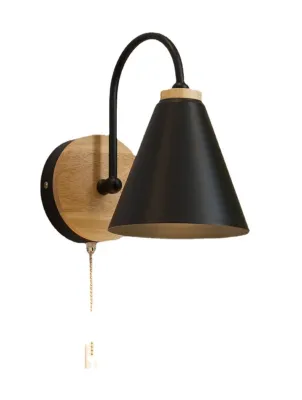
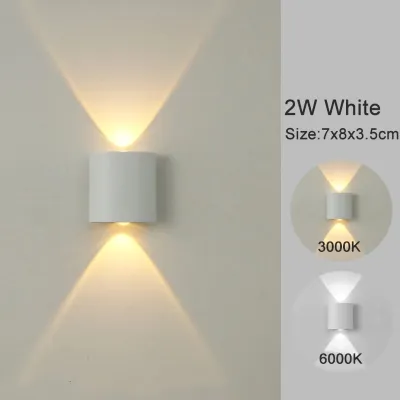
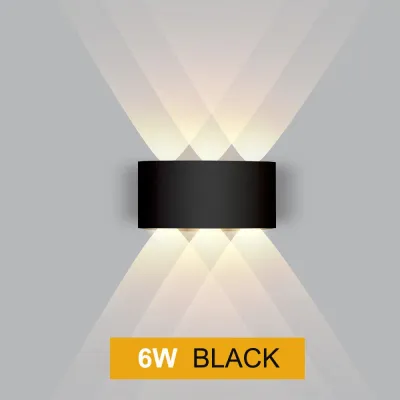
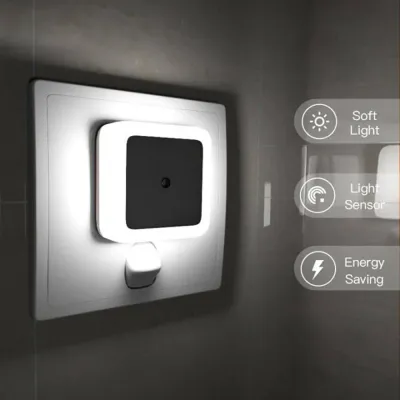
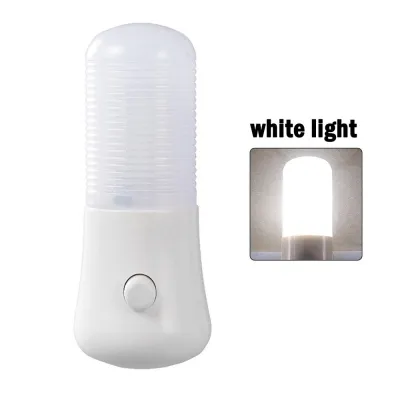
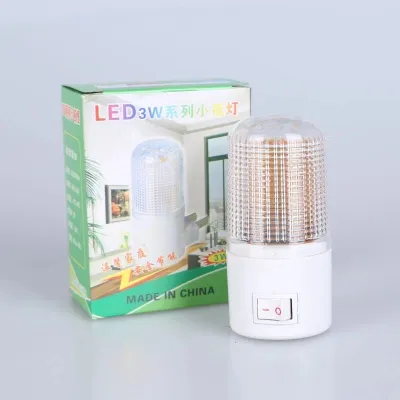
Prices are valid at publication and may change. Please refer to the product page for the latest price.
Beam angle and optics play a major role in containing light. Look for fixtures with a narrow beam spread, often achieved through recessed lenses or spot optics. A narrow beam acts like a spotlight, illuminating a small, defined area while leaving the rest of the bed in darkness.
Glare control and physical shielding are equally important. Deep baffles, honeycomb louvers, or opaque metal shades block lateral light leakage. This ensures that light only exits through the front of the fixture, preventing any side glow from illuminating the room.
Dimming and color controls offer additional flexibility. Built-in dimmers allow you to lower the brightness to the exact level needed for reading. Some fixtures also feature adjustable color temperatures, letting you select warmer tones that are less disruptive in a dark room.
Types of Wall Sconces Best Suited for Partner-Friendly Reading
Adjustable swing-arm sconces are a popular choice. They feature jointed metal arms that extend outward when in use and fold back flat against the wall when you are finished. When selecting a swing-arm model, verify the stability of the joints and check if the tension screws can be adjusted to prevent sagging over time.

Flexible gooseneck LED reading lights offer a highly compact footprint and precise control. The entire arm can be bent silently in any direction, making it easy to adjust the light mid-read without making noise. Because they are typically smaller than swing-arm fixtures, they fit well in minimalist bedrooms or on narrow headboards.
Recessed or surface-mounted spotlights with narrow lenses provide a clean, modern aesthetic. Many of these designs feature a small spotlight head that pops out of a flush wall plate. While they look incredibly sleek, keep in mind that their limited range of motion means you must sit in a relatively fixed position to stay within the light beam.
Styles to avoid include open-globe sconces, exposed-bulb fixtures, uplights, and wide-diffusion ambient wall washers. These designs are engineered to scatter light across a broad area to illuminate the entire room. Using them for bedside reading will inevitably flood your partner’s side of the bed with bright, disruptive light.
Placement and Installation Guidelines to Minimize Disturbance
Proper mounting height and lateral distance are essential to maximize focus and minimize disturbance. As a general guideline, position the fixture relative to your mattress thickness and your seated eye level. The light should ideally be mounted slightly behind your shoulder and about 10 to 12 inches to the side, placing the light source just above shoulder height when you are sitting up in bed.
The angle of incidence determines where the light falls. Tilt the fixture downward so the beam casts directly onto your reading material rather than projecting horizontally across the mattress. This downward angle ensures the shadow of your head or body does not block the light, while also keeping the beam far away from your partner’s face.
Electrical and safety boundaries must be respected during installation. Before beginning any work, always isolate the power at the main circuit breaker. Because many homes in the Philippines feature solid concrete or masonry walls, ensure you use the correct masonry drill bits and heavy-duty wall anchors to support the fixture’s weight. For hardwired connections, running new fixed wiring, or installing new wall switches, consult a qualified electrician to ensure compliance with local electrical codes. Always verify that the fixture’s voltage rating matches your home’s electrical supply (typically 220V) and check for recognized electrical safety certifications.
Switch accessibility is a key convenience factor. Plan for integrated fixture switches, smart controls, or easily reachable wall switches. This allows you to turn off the light instantly when you are ready to sleep, without having to stretch across the bed or sit up and disrupt your partner.
Pre-Purchase Checklist for Your Bedside Wall LED Light
Verify the existing electrical setup in your bedroom. Decide whether a hardwired fixture or a plug-in model is more practical for your space, and confirm that the voltage matches your local grid.
Check the physical dimensions and clearance of the fixture. Ensure that when the arm is fully extended, it does not interfere with tall headboards, pillows, mosquito nets, or walking paths around the bed.
Review the manufacturer’s specifications carefully. Look for details on lumen output, beam angle, and dimmer compatibility to ensure the light output matches your reading habits.
Confirm the return policy and warranty terms, especially when purchasing from online marketplaces. This protects your investment if the light’s beam spread or mounting mechanism does not suit your specific bedroom layout.
Ensure the total cost in ₱, including any shipping fees or professional installation costs, aligns with your budget before finalizing your purchase.
Frequently Asked Questions (FAQ)
Can I use a standard wall sconce for bedside reading?
Standard wall sconces are generally designed for ambient lighting, meaning they diffuse light in all directions to illuminate a room. Using one for bedside reading often results in significant light spill that will disturb a sleeping partner. To make a standard sconce work, it must be modified with an opaque shade that directs light downward, or fitted with a highly directional bulb. However, a dedicated task light with a narrow beam angle remains the most effective choice for partner-friendly reading.
Do plug-in wall LED lights work as well as hardwired ones?
Yes, plug-in wall LED lights offer the same optical performance and directional control as hardwired models, provided they share the same lens and light engine design. The primary differences lie in aesthetics and installation effort. Plug-in models are easy to mount and simply require a nearby outlet, though you will need to manage the visible cord safely. Hardwired fixtures offer a cleaner, cord-free look but require professional installation and fixed wiring behind the wall.
What color temperature is best for late-night reading without disrupting sleep?
For late-night reading, look for fixtures that offer warmer color temperatures, typically between 2700K and 3000K, as indicated on the product packaging. Warmer light is generally considered more relaxing for evening use. However, color temperature alone does not prevent sleep disruption; overall light intensity is highly critical. You should rely on built-in dimming controls to lower the brightness to the minimum level required to read comfortably, which significantly reduces the total light output in the room.

Community discussion
Share your experience or ask a question. Comments are reviewed before publication.