
For most exposed outdoor garden and pathway lighting in the Philippines, an IP65 rating is the standard requirement to withstand heavy tropical rain, high humidity, and intense monsoon downpours. Whether you are selecting an led street light waterproof fixture for a long driveway or choosing delicate garden fixtures to highlight your landscaping, understanding these ratings ensures your equipment survives the wet season without electrical hazards or premature failure. In a tropical climate where sudden afternoon storms are common, choosing the correct level of ingress protection is the first line of defense for any outdoor electrical installation. Selecting the wrong rating can lead to rapid water entry, short circuits, and costly replacements.
Understanding IP Ratings for Outdoor Lighting
The Ingress Protection (IP) rating system is an international standard used to define the levels of sealing effectiveness of electrical enclosures against intrusion from foreign bodies and moisture. When shopping for outdoor lighting, you will see this rating displayed as the letters “IP” followed by two distinct numbers. Each digit represents a specific type of protection, and understanding how to read them is essential for making an informed purchase.
The first digit ranges from 0 to 6 and measures protection against solid objects, such as dust, dirt, and accidental contact. For outdoor garden lights, a high first digit is critical because wind can carry fine soil, sand, and debris into the fixture. A rating of 5 means the fixture is dust-protected, allowing only minimal, non-harmful dust entry, while a rating of 6 indicates the unit is completely dust-tight. Preventing dust accumulation is vital because internal debris can trap moisture, block heat dissipation, and cause the LED components to overheat and fail.
Products mentioned in this guide
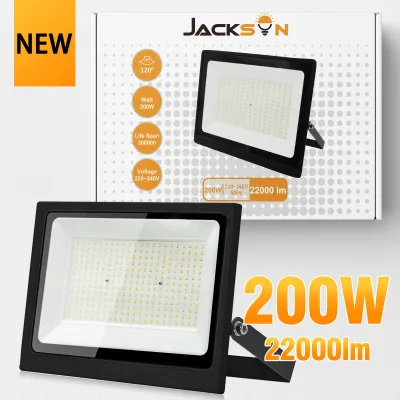
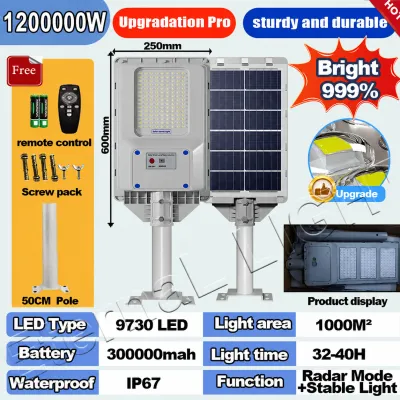
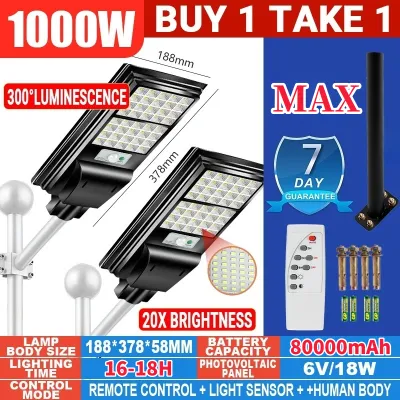
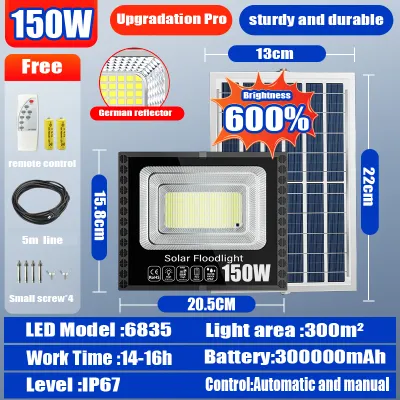
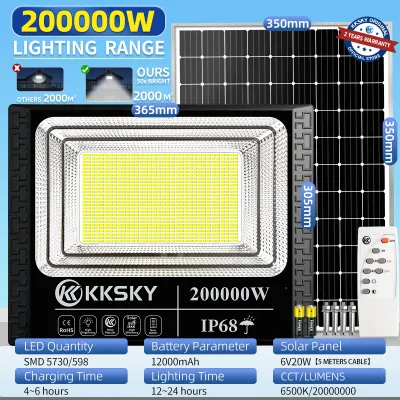
Prices are valid at publication and may change. Please refer to the product page for the latest price.
The second digit ranges from 0 to 9K and measures protection against liquids, specifically water. This digit is the primary focus when evaluating waterproof capabilities for tropical weather. A lower number like 4 indicates protection against splashing water, which is insufficient for fully exposed outdoor areas. A rating of 5 indicates protection against water jets, while a 6 indicates protection against powerful water jets, such as those experienced during severe tropical storms.
Understanding the practical difference between water-resistant and fully waterproof classifications on product packaging prevents costly installation mistakes. An IP44-rated light is merely water-resistant, meaning it can handle light splashes but will likely fail if subjected to a direct downpour. For true outdoor durability in exposed garden zones, fixtures must be fully waterproof, which requires a rating of IP65 or higher to ensure the internal electrical connections remain completely dry.
Matching IP Ratings to Garden Zones and Weather Conditions
To design a reliable outdoor lighting system, you must match the IP rating of each fixture to its specific location and level of exposure to the elements. Not every corner of your garden requires the highest possible rating, but underestimating the exposure of a particular zone can lead to rapid equipment failure.

Covered or semi-exposed areas, such as deep patios, verandas, carports, and under roof eaves, are generally shielded from direct rainfall. However, they are still exposed to high ambient humidity, wind-blown mist, and temperature shifts. For these sheltered zones, a minimum rating of IP44 or IP54 is typically sufficient. An IP54 rating is slightly preferable in coastal or dusty suburban areas because it offers superior protection against airborne dust and insects while handling occasional splashes of water.
Fully exposed garden beds, open walls, pathway lighting, and post-top fixtures face the full force of tropical weather. During the monsoon season, these lights are subjected to hours of driving rain and strong winds. For these exposed installations, an IP65 rating is the industry standard. This rating ensures that the fixture can withstand water projected from any angle without allowing moisture to penetrate the housing, keeping your pathways and garden features safely illuminated throughout the wettest months.
Ground-level, recessed, or low-lying zones require even greater protection due to the risk of water accumulation. In-ground uplights, well lights, and fixtures installed in garden depressions are highly susceptible to temporary submersion when heavy rains overwhelm local drainage. For these high-risk areas, you must use fixtures rated IP67 or IP68. An IP67 rating certifies that the light can survive temporary immersion in water up to one meter deep for up to thirty minutes, while an IP68 rating indicates the fixture is suitable for continuous submersion under specified conditions, making it ideal for pond lighting or flood-prone garden paths.
In addition to direct rainfall, the high ambient humidity and rapid temperature fluctuations characteristic of the local climate place unique physical demands on outdoor lighting. When a light is turned on, it generates heat, causing the air inside the housing to expand. When the light is turned off and cooled by a sudden tropical shower, the air contracts, creating a vacuum effect that can draw moisture through weak seals. Over time, this constant thermal cycling degrades low-quality gaskets, making robust IP65 or higher ratings even more critical for long-term reliability.
Key Features to Check Beyond the IP Rating
While the IP rating is a vital indicator of water resistance, it is not the only factor that determines whether a garden light will survive the elements. To ensure your investment lasts for years, you must verify several other material and construction features that contribute to overall durability.
Material corrosion resistance is paramount in humid environments. Check product labels and manufacturer specifications to ensure the fixture body is constructed from materials that resist rust and degradation. High-grade powder-coated die-cast aluminum, marine-grade stainless steel, and UV-stabilized plastics are excellent choices. Unprotected metals will quickly corrode when exposed to constant moisture, leading to structural failure and compromised seals that allow water to enter the electrical compartment.
The quality of the seals and gaskets is just as critical as the printed IP number on the box. A high-quality fixture utilizes thick, flexible silicone O-rings rather than cheap rubber gaskets, which can dry out, crack, and degrade under intense sunlight. Additionally, pay close attention to the cable glands—the entry points where the electrical wiring enters the light housing. A robust, compression-molded cable gland with a tight rubber sleeve prevents water from traveling along the power cord and entering the fixture.
Thermal management is another essential consideration for waterproof LED lights. Because waterproof fixtures are tightly sealed to keep water out, they also trap heat inside. LEDs are highly sensitive to heat, and excessive operating temperatures can drastically shorten their lifespan and reduce brightness. When selecting outdoor lights, look for designs that incorporate effective heat sinking, such as external cooling fins or a heavy metal housing that conducts heat away from the sensitive LED chips and driver components.
Beyond these physical protections, always verify the electrical specifications of the fixture before purchase. Ensure the voltage matches your local power supply (typically 220V in the Philippines), and check the base or interface type, wattage limits, and physical dimensions to ensure compatibility with your existing setup. If you plan to use dimming features, verify that the dimming method is compatible with your controller. Keep in mind that while decorative style, perceived color temperature, and spatial effects are important for landscape aesthetics, these are conditional preferences that do not substitute for verified safety and performance specifications.
Installation and Maintenance for Tropical Climates
Even the highest-rated waterproof LED garden lights can fail if they are installed incorrectly or neglected over time. Implementing proper installation techniques and establishing a routine maintenance schedule will protect your lighting investment and ensure safe operation.
Ensuring proper drainage is the most critical step when installing ground-level or recessed fixtures. When placing uplights in garden beds or pathways, always excavate a deeper hole and fill the base with gravel or crushed stone to create a drainage channel. This prevents water from pooling around the base of the fixture during heavy downpours. If a light sits in standing water for extended periods, even an IP67 seal can eventually fail under the constant hydrostatic pressure.
Routine visual checks should be performed at least twice a year, ideally before and after the peak of the rainy season. Inspect each fixture for signs of degraded silicone seals, cracked glass lenses, or loose mounting screws. Look closely for any condensation or water droplets inside the lens. If you notice internal moisture, it indicates that a seal has been compromised; the fixture should be carefully opened, dried completely, and have its gaskets inspected or replaced before being put back into service.
Safety must always be the top priority when dealing with outdoor electrical installations, especially in damp soil, wet zones, or when working at height. Before performing any maintenance, cleaning, or inspection, always isolate the power supply at the main circuit breaker to eliminate the risk of electrical shock. For fixed wiring, high-voltage outdoor circuits, or complex landscape lighting systems, do not attempt a DIY installation. Always consult a qualified professional or licensed electrician to ensure all wiring, conduits, and junction boxes are installed safely and comply with local electrical codes and safety standards. While investing a few extra ₱ in a higher-rated fixture and professional installation might seem like an added expense upfront, it prevents the far greater cost of replacing water-damaged lights or dealing with hazardous electrical shorts.
Frequently Asked Questions (FAQ)
Can I use indoor LED lights outside if they are under a roof?
No, you should never use indoor-rated LED lights in any outdoor setting, even if they are completely shielded from direct rain under a deep roof or patio. The high ambient humidity and airborne moisture typical of tropical climates can easily penetrate the unsealed housings of indoor fixtures. Over time, this moisture accumulation causes rapid corrosion of internal circuits, short circuits, and potential electrical hazards. For covered outdoor areas, always select fixtures with a minimum rating of IP44 to ensure safe and reliable operation.
Does a higher IP rating mean the light will last longer in humid weather?
Not necessarily. A higher IP rating only indicates superior protection against the ingress of dust and water; it does not guarantee the overall durability or lifespan of the fixture’s materials. A light rated IP67 can still fail prematurely if its housing is made of cheap, non-UV-stabilized plastic that cracks under intense sunlight, or if its internal thermal management is poor, causing the LED to overheat. To ensure long-term survival in humid weather, you must look for a combination of a high IP rating, corrosion-resistant materials, UV protection, and efficient heat dissipation.

Community discussion
Share your experience or ask a question. Comments are reviewed before publication.