
In the outdoor lighting market, a “200W” rating on a solar fixture does not mean the same thing as it does on a traditional mains-powered bulb. For homeowners looking to illuminate a garden, patio, or driveway, installing a fixture like a Bosca solar flood light 200 watts offers a practical, energy-independent way to secure and beautify outdoor spaces. However, understanding what this wattage actually translates to in terms of real-world brightness and physical coverage is essential before making a purchase.
To get the most out of your outdoor setup, you must look beyond the headline wattage number. True performance depends on how the fixture converts stored solar energy into visible light, how the physical layout of your garden affects light distribution, and how well the components withstand local environmental conditions. By analyzing these factors, you can ensure your garden remains safely and beautifully lit throughout the night.
Decoding the "200W" Label on Solar Flood Lights
Traditional incandescent or halogen flood lights relied on wattage as a direct indicator of brightness because power consumption scaled predictably with light output. With modern LED solar flood lights, the “200W” designation is almost always an “equivalent” rating. This means the manufacturer is comparing the light output of the LED chips to the perceived brightness of an older, high-consumption 200-watt halogen bulb, even though the actual electrical power drawn from the solar battery is significantly lower.
Products mentioned in this guide
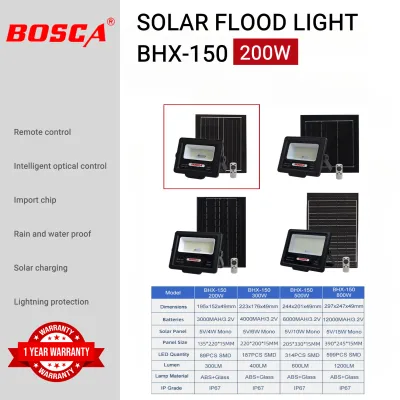
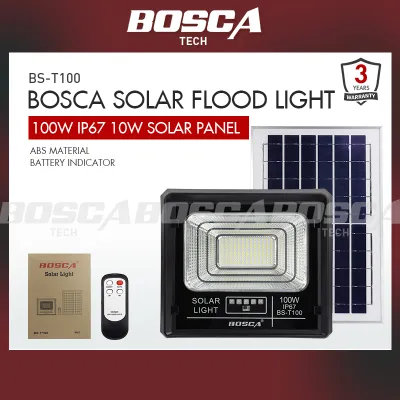
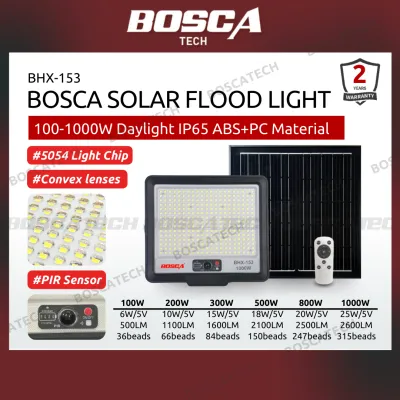
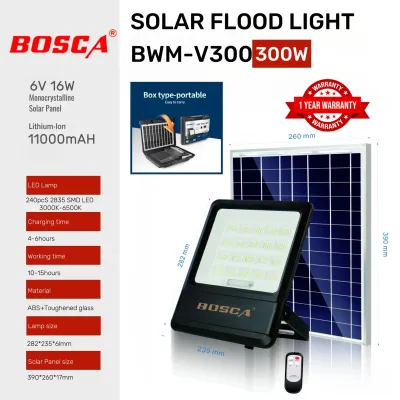
Prices are valid at publication and may change. Please refer to the product page for the latest price.
To evaluate the true brightness of a fixture, you should prioritize the lumen rating found on the product specification sheet. Lumens measure the actual volume of visible light emitted by the fixture. While a 200W-equivalent label gives you a general sense of the light’s class, comparing lumen outputs allows you to make direct, accurate comparisons between different models and brands.
Sustaining this brightness over several hours requires a carefully balanced system of solar panels and batteries. A high-lumen LED array is only as good as the energy stored to power it. The solar panel must be large enough to fully charge the internal battery during daylight hours, and the battery capacity must be sufficient to keep the LEDs illuminated through the night. In tropical regions where afternoon clouds or seasonal rains can limit direct sunlight, verifying these hardware specifications is crucial to avoiding premature dimming.
Estimating Brightness and Coverage for Your Garden
The height at which you mount your solar flood light directly influences both the intensity of the light on the ground and the total area it covers. Mounting the fixture higher spreads the light over a wider footprint, which is ideal for illuminating a large lawn or a broad driveway. However, this increased coverage comes at the cost of ground-level intensity, as the light becomes more diffused the further it travels.

The beam angle of the fixture also plays a critical role in shaping the light pool. A wide beam angle, typically around 120 degrees, is designed to wash a broad area with soft, even illumination, making it perfect for general garden visibility and safety. A narrower beam angle concentrates the light into a tighter, more intense beam, which is better suited for highlighting specific landscape features, large trees, or architectural details.
To create an effective lighting plan, divide your garden into distinct functional zones. For security perimeters and entryways, position the lights to deliver high-intensity coverage over dark corners. For outdoor seating areas or patios, use adjustable brackets to angle the light indirectly, preventing harsh glare while maintaining a warm, inviting atmosphere. For pathways, space the fixtures to guide footsteps safely without overpowering the natural nighttime ambiance of your landscape.
Key Specifications to Check Before Installation
Outdoor lighting fixtures must be durable enough to withstand harsh environmental conditions. In tropical climates like the Philippines, fixtures are regularly exposed to intense heat, high humidity, and heavy seasonal downpours. Always check the Ingress Protection (IP) rating on the product label; a rating of IP65 or IP66 is highly recommended to ensure the housing is completely sealed against dust and high-pressure water jets.
Solar panel placement is another critical factor for consistent performance. The panel must be positioned where it can receive unobstructed, direct sunlight for the majority of the day. If your target lighting area is heavily shaded by trees or roof overhangs, consider a split-type solar flood light. This design allows you to mount the solar panel on a sunny rooftop or pole while running a weather-rated cable to the light fixture positioned under the shade.
Before beginning the physical installation, perform a thorough structural check of your mounting surfaces. Ensure that walls, posts, or gutters can securely support the weight of both the light fixture and the solar panel, especially during strong winds or typhoons. If your installation requires working at significant heights, routing fixed wiring, or integrating the system with existing electrical backups, always isolate the power supply and consult a qualified professional to ensure a safe and compliant setup.
Frequently Asked Questions (FAQ)
Can a 200W solar flood light run all night on a single charge?
Whether a 200W-equivalent solar flood light can run continuously from dusk to dawn depends on its battery capacity, the daily sunlight exposure, and the selected operating mode. Running the fixture at 100% continuous brightness will typically exhaust the battery within a few hours. To ensure all-night operation, utilize built-in power-saving features such as motion-sensor modes, which keep the light at a low dim level until activity is detected, or programmed timer dimming that gradually lowers the output during the quietest hours of the night.
How high should I mount a solar flood light for optimal garden coverage?
For a standard 200W-class solar flood light, an optimal mounting height is generally between 3 to 5 meters. This height provides a balanced compromise, offering wide ground coverage while retaining sufficient light intensity for safety and visibility. Angle the fixture downward at approximately 45 degrees to direct the light precisely where it is needed, which helps prevent blinding glare and minimizes light pollution into neighboring properties.

Community discussion
Share your experience or ask a question. Comments are reviewed before publication.