
To survive the intense wind-driven downpours and persistent humidity of the Philippine monsoon season, outdoor LED branch vine lights require a minimum rating of IP65 for elevated or hanging installations. For any units placed near the ground, woven through low garden beds, or installed in areas prone to temporary water pooling, you must step up to IP67 or IP68 protection. Selecting the correct rating and material build is the only way to prevent premature electrical failure, short circuits, and safety hazards when the wet season peaks.
Outdoor decorative lighting in tropical environments faces stressors that standard indoor or semi-protected fixtures are simply not built to handle. Understanding how ingress protection works and how to install these lights safely will ensure your garden or patio remains beautifully illuminated without risking your electrical system.
Understanding IP Ratings for Outdoor Lighting in the Philippines
The Ingress Protection (IP) rating system is an international standard that defines how effectively an electrical enclosure seals out foreign bodies and moisture. The rating consists of two digits. The first digit, ranging from 0 to 6, measures protection against solid objects like dust, dirt, and accidental contact. The second digit, ranging from 0 to 9K, measures protection against liquid ingress, indicating how well the internal electronics are shielded from moisture under various pressure levels and exposure durations.
Products mentioned in this guide
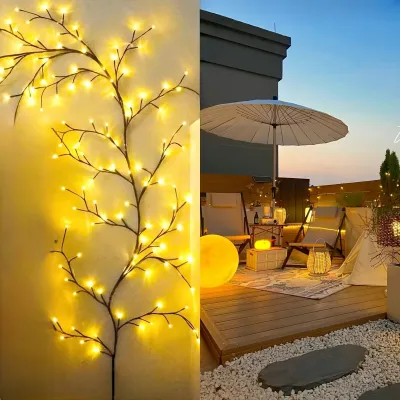
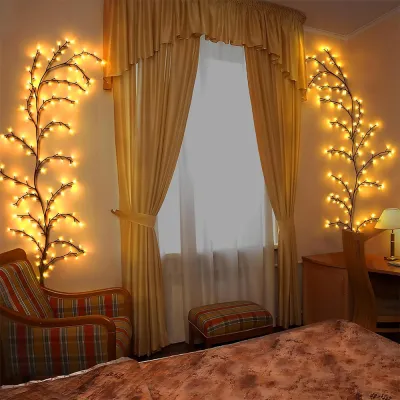
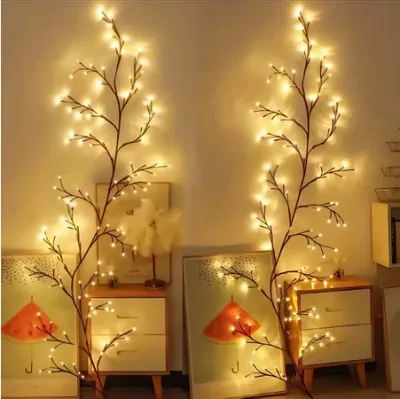
Prices are valid at publication and may change. Please refer to the product page for the latest price.
During the Philippine southwest monsoon, locally known as the Habagat, outdoor lighting is subjected to extreme environmental forces. The season brings prolonged, heavy downpours, high-velocity wind-driven rain, and sustained relative humidity levels that frequently exceed 80 percent. Additionally, rapid temperature swings occur when a sudden afternoon storm cools down fixtures that have been baking in the tropical sun. This rapid cooling creates a internal vacuum effect within the light housing, actively sucking damp ambient air through any microscopic gaps in the seals.
Many decorative lights designed for milder temperate climates or partially covered outdoor spaces—such as roofed verandas or deep building eaves—will quickly fail if fully exposed to a tropical wet season. While a lower-rated fixture might survive a gentle, vertical rain shower, it cannot withstand the horizontal, high-velocity water spray driven by monsoon winds. Water eventually bypasses weak seals, leading to internal condensation, rapid corrosion of the LED diodes, and immediate electrical failure.
The Minimum IP Rating Required for Monsoon Survival
For LED branch vine lights suspended from pergolas, wrapped high around tree branches, or mounted on exterior walls, IP65 is the absolute baseline. An IP65 rating signifies that the fixture is dust-tight (the first digit, 6) and protected against water jets projected by a nozzle from any direction (the second digit, 5). This level of protection is robust enough to withstand heavy, wind-driven monsoon rains without allowing water to penetrate the internal circuitry.

If you plan to weave your branch vine lights through low-lying garden beds, wrap them around the bases of tree trunks, or place them along pathways where water tends to pool, you must opt for IP67 or IP68. An IP67 rating guarantees protection against temporary immersion in water up to one meter deep for 30 minutes, which is crucial during localized flash floods. IP68 offers continuous submersion protection under specified conditions, making it the safest choice for ground-level installations in flood-prone areas.
Using lights rated IP44 or lower in fully exposed outdoor areas during the wet season is highly risky. An IP44 rating only protects against splashing water from any angle. While sufficient for a light drizzle or a covered patio, heavy monsoon rains will easily overwhelm these basic seals. Moisture ingress in an IP44 light will cause short circuits, which can trip your home’s residual current devices (RCD) or ground fault circuit interrupters (GFCI), rendering the decorative display useless and potentially damaging connected power sources.
To ensure your safety and protect your investment, always verify the exact IP rating on the product label, packaging, or official manufacturer specification sheet. Do not rely on vague marketing buzzwords such as “waterproof,” “weather-resistant,” or “all-weather.” Genuine outdoor-rated lighting will explicitly state its tested IP rating, giving you a verifiable measure of its protective capabilities.
Key Features to Look for Beyond the IP Rating
An IP rating only measures water resistance when the product is brand new. In the harsh tropical climate of the Philippines, long-term durability depends heavily on the materials used to construct the vine lights. The intense ultraviolet (UV) radiation during the dry months can degrade plastics, making them brittle and prone to cracking when the heavy rains finally arrive.
UV Resistance Ensure that the cables, outer sheathing, and plastic vine elements are made from UV-stabilized materials, such as heavy-duty rubber (chloroprene or neoprene) or UV-treated polyurethane. Standard PVC cables degrade rapidly under intense sunlight, leading to micro-cracks along the wire insulation. Once these cracks form, rainwater will seep directly into the electrical conductors, causing short circuits regardless of how well the LED bulbs themselves are sealed.
Connector and Seal Quality The connection points where multiple vine segments join are the most common failure zones. Look for heavy-duty, threaded, screw-tight connectors equipped with internal rubber O-rings or silicone gaskets. Avoid simple push-fit connectors that lack locking collars, as they can easily pull apart under wind strain or allow moisture to enter via capillary action in high-humidity environments.
Wire Material Insist on high-quality, pure copper wiring rather than cheaper copper-clad aluminum (CCA) alternatives. Pure copper offers superior electrical conductivity, generates less heat, and resists corrosion much better in damp environments. If moisture does manage to breach the outer insulation, CCA wires will oxidize and disintegrate rapidly, causing the entire light string to fail.
Power Source Protection If your LED branch vine lights are solar-powered, inspect the solar panel housing and the integrated battery compartment. The compartment must feature a secure latching system and a thick, intact silicone O-ring seal to prevent rainwater from pooling inside the battery chamber. For plug-in models, verify that the step-down transformer or driver has an appropriate outdoor rating and is plugged into a weatherproof outlet enclosure.
Installation and Maintenance Tips for the Wet Season
Proper installation techniques are just as important as choosing the right IP rating when preparing your outdoor lighting for the monsoon season. Implementing simple physical barriers and safety measures will significantly extend the lifespan of your LED branch vine lights.
Installation Best Practices Always incorporate “drip loops” into your wiring setup. A drip loop is a simple downward curve in the cord placed right before the wire enters a connector, a controller box, or an electrical outlet. Gravity forces rainwater running down the cable to pool and drip off the bottom of the loop, preventing it from tracking directly into the connection point. Additionally, ensure all electrical connections are elevated off the ground, even if the lights are rated IP67, to minimize contact with standing water.
Safety Boundaries Before installing, adjusting, or performing maintenance on any outdoor lighting, isolate the power source at the main breaker panel. For fixed wiring installations, damp-area connections, or setups requiring work at heights, always consult a qualified professional or licensed electrician. Ensure your outdoor electrical circuits are protected by a dedicated 30mA Ground Fault Circuit Interrupter (GFCI) or Residual Current Device (RCD) to prevent severe electrical shocks in wet conditions.
Routine Maintenance Conduct regular inspections of your lighting setup throughout the wet season. Wipe down solar panels to remove mud, wet leaves, and windblown debris that can block sunlight and reduce charging efficiency. Check the physical condition of the wires to ensure they are not rubbing against sharp tree branches or metal trellises, which can wear down the insulation over time. Inspect silicone seals and connectors for signs of degradation or moisture accumulation.
Storage Advice When a severe tropical storm or typhoon warning is active, proactively take down and store non-essential decorative lights. Even high-quality IP68 fixtures can be destroyed by flying debris, falling tree limbs, or extreme wind forces that pull cables from their mountings. Storing your vine lights indoors during peak storm events preserves their structural integrity and prevents unnecessary wear.
Frequently Asked Questions (FAQ)
Can I use IP44 LED vine lights outdoors during the dry season?
Yes, you can use IP44-rated LED vine lights outdoors during the dry season, which typically runs from November to April, but only in semi-protected areas. They are suitable for covered patios, verandas, or deep eaves where they are shielded from direct rainfall. However, because IP44 fixtures cannot withstand heavy, wind-driven rain, you must decommission them and store them indoors before the southwest monsoon begins in May or June.
How do I check if the IP rating on the packaging is genuine?
To verify that an IP rating is genuine, look for recognized electrical safety certification marks on the product and packaging, such as the Philippine Standard (PS) quality mark or the Import Clearance Certificate (ICC) sticker. Reputable manufacturers will provide comprehensive product datasheets detailing the specific testing standards met. Avoid buying generic, unbranded lights from unverified online sellers that feature misspelled technical terms, lack clear manufacturer contact information, or do not provide a detailed instruction manual.

Community discussion
Share your experience or ask a question. Comments are reviewed before publication.