
To survive the intense downpours, high humidity, and frequent typhoons of the Philippine rainy season, outdoor solar garden lights require a minimum rating of IP65. For ground-level fixtures or areas prone to temporary water pooling, upgrading to IP67 is highly recommended. Standard decorative lights often carry lower ratings that quickly fail under the weight of tropical storms, making it essential to understand what these technical specifications mean before installing them in your yard.
The unique tropical climate of the Philippines presents a double challenge for outdoor electronics: prolonged, heavy rainfall during the southwest monsoon (Habagat) and high ambient humidity year-round. When water penetrates a solar light’s housing, it causes rapid corrosion of the internal circuitry, ruins the rechargeable battery, and degrades the LED emitter. Selecting the correct ingress protection level ensures your landscape lighting remains functional and safe throughout the wettest months of the year.
Decoding IP Ratings for Heavy Rain and Typhoons
The Ingress Protection (IP) rating system is an international standard used to define the sealing effectiveness of electrical enclosures against intrusion from foreign bodies and moisture. The code always consists of the letters “IP” followed by two digits. Understanding these numbers allows you to look past generic marketing buzzwords and evaluate a fixture’s true weather resistance.
Products mentioned in this guide
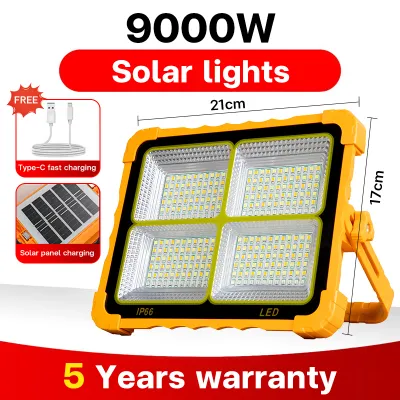
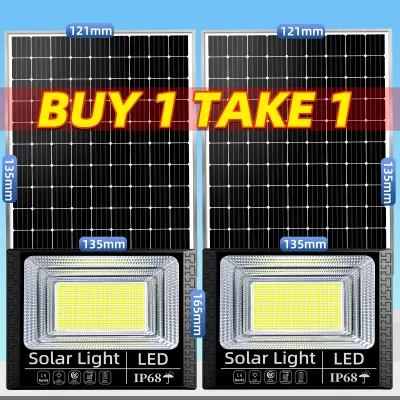
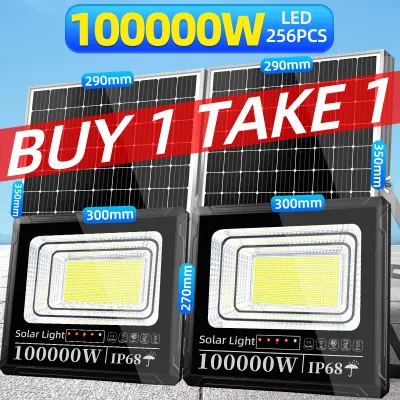
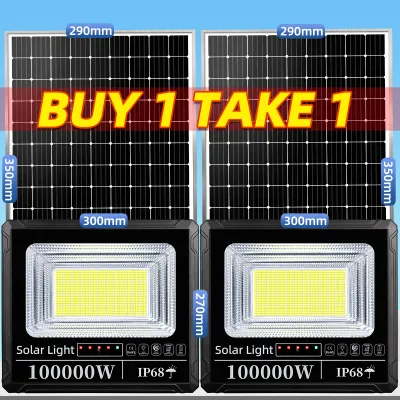
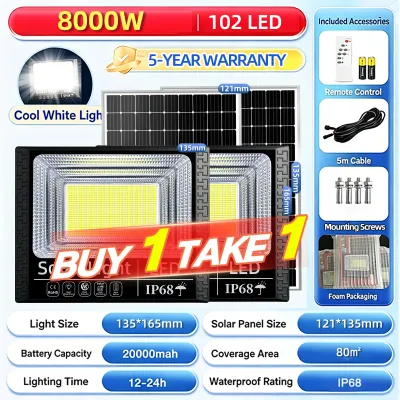
Prices are valid at publication and may change. Please refer to the product page for the latest price.
The first digit, ranging from 0 to 6, indicates the level of protection against solid objects, such as dust, dirt, and accidental contact. For outdoor garden lights, a rating of 6 is the standard to look for, meaning the fixture is completely dust-tight. This prevents fine garden soil, sand, and insects from entering the housing and clogging the internal components, which is particularly important during dry spells before the heavy rains arrive.
The second digit, ranging from 0 to 9, measures protection against liquids. A rating of 4 (as seen in IP44) only protects against light splashes of water from any direction. While IP44 fixtures might survive a gentle drizzle in milder climates, they are highly vulnerable to the driving, wind-swept rain common during tropical depressions. For reliable outdoor performance in the Philippines, you should look for a second digit of at least 5 (IP65), which certifies protection against water jets projected by a nozzle from any angle.
For ground-level installations, path lights, or low-lying garden beds where water tends to pool during torrential downpours, a rating of IP67 or IP68 is highly recommended. An IP67 rating guarantees that the fixture can withstand temporary immersion in water up to one meter deep for 30 minutes. This level of protection prevents catastrophic failure when your lawn temporarily floods during a severe thunderstorm.
When shopping on any online marketplace or at local home improvement centers, verify these ratings by checking the product packaging, user manual, or manufacturer specifications. Genuine waterproof fixtures will clearly state their certified IP rating and often display electrical safety certifications. Be skeptical of unbranded products that claim to be “100% waterproof” but fail to provide an official IP code, as these often lack the physical engineering required to survive a true tropical storm.
Critical Design Features for Wet Climates
While an IP rating provides a certified benchmark, the physical construction and material quality of the solar light determine its long-term durability in high-humidity environments. Inspecting these design features before purchase helps you identify fixtures built to withstand the elements.

The primary defense against water ingress is the sealing mechanism. High-quality solar lights feature thick, flexible silicone or rubber gaskets sealing the battery compartment, the lens cover, and the housing of the solar panel. The entry points where wires pass from the solar panel to the light emitter must be tightly sealed with rubber grommets. Avoid fixtures that rely solely on tight-fitting plastic parts or cheap glue, as these materials quickly degrade, warp, and crack under the intense tropical sun, compromising the seal before the rainy season even begins.
Condensation is another major threat in tropical climates. The rapid temperature drop during a heavy afternoon rain can cause moisture to condense inside a warm light lens. Look for fixtures designed with anti-condensation features, such as small, baffled drainage channels or breathable, water-repellent membranes. These designs allow trapped moisture and air pressure to equalize without letting external rainwater penetrate the housing.
The materials used for the outer casing must resist both UV radiation and constant moisture. Cheap plastics become brittle and crack under prolonged exposure to sunlight, creating pathways for water entry. Opt for UV-stabilized ABS plastic, heavy-duty polycarbonate, or corrosion-resistant metals such as anodized aluminum or high-grade stainless steel. If you prefer metal fixtures, ensure they are treated with a rust-resistant coating, as untreated ferrous metals will quickly corrode and fail in high-humidity coastal or inland areas.
Additionally, pay attention to the solar panel construction. Tempered glass laminated solar panels offer far superior durability and weather resistance compared to cheap epoxy-coated or PET-laminated panels. Tempered glass resists scratching, does not cloud over time, and maintains a tight seal against the frame, ensuring the solar cells remain protected from moisture intrusion for years.
Before finalizing your purchase, verify the electrical specifications of the light. Check the battery voltage (typically 1.2V for NiMH or 3.2V for LiFePO4), the interface or base type, and the wattage limits to ensure compatibility with replacement parts. Confirming that the product carries recognized electrical safety certifications provides an extra layer of assurance regarding its build quality and safety.
Strategic Placement to Minimize Water Exposure
Even the highest-rated waterproof solar lights can fail if subjected to extreme conditions beyond their design limits. Strategic installation and placement are key to reducing water exposure and protecting your investment during severe weather.
Identify and avoid high-risk zones in your yard. Do not place ground-stake solar lights in low-lying areas of your lawn, garden beds, or pathways where water naturally pools or drains slowly. Additionally, avoid positioning fixtures directly under roof eaves, gutters, or downspouts. The concentrated force of cascading water from a roof can easily exceed the pressure limits of an IP65 rating, forcing water past the seals and destroying the internal electronics.
Secure mounting is essential to prevent physical damage during high winds. Ensure ground stakes are driven deep into firm soil. If the ground becomes soft and muddy during the rainy season, reinforce the stakes by packing heavy decorative stones or gravel around the base to prevent the lights from tilting or falling over. For wall-mounted, fence, or post-mounted solar lights, use stainless steel screws and anchors rather than double-sided adhesive tape or weak brackets, which can easily fail during a storm.
For split-system solar lights—where the solar panel is mounted separately from the light fixture—ensure that all connecting cables are routed safely. Avoid leaving slack cables lying on the ground where they can be submerged or damaged by lawnmowers and garden tools. Secure the cables along walls or posts using UV-resistant cable ties, and ensure the waterproof screw-on connectors are fully tightened.
For split-system solar lights that require fixed wiring, mounting at height on roofs, or installation in damp areas, always isolate the power source, follow the manufacturer’s installation instructions, and consult a qualified professional if you are unsure about electrical safety. Taking these precautions ensures the installation remains secure and compliant with local electrical standards.
When PAGASA issues severe weather bulletins or typhoon warnings (especially Signal No. 2 or higher), take proactive measures. For portable ground-stake lights, the safest course of action is to temporarily pull them out of the ground and store them indoors. This protects them not only from extreme water exposure but also from flying debris, falling tree branches, and strong winds that can tear them apart.
Post-Storm Maintenance and Recovery Steps
After a severe storm or typhoon passes, performing a quick inspection and maintenance routine on your outdoor solar lights can prevent long-term damage and extend their lifespan.
Always practice safe handling protocols when inspecting outdoor electrical fixtures. Before cleaning or disassembling any unit, turn off the power switch if it is accessible. If you suspect water has bypassed the seals, do not turn the light on, as this can cause a short circuit. Carefully remove the rechargeable batteries (typically NiMH or Li-ion) from the compartment before proceeding with any cleaning or drying.
If you notice water droplets, fogging, or condensation inside the light lens, carefully disassemble the housing according to the manufacturer’s instructions. Wipe the internal components, circuit board, and battery contacts gently with a dry, lint-free microfiber cloth. Allow the disassembled parts to air-dry completely in a well-ventilated, shaded indoor area for 24 to 48 hours. Never use a hair dryer on high heat or place the components in a hot oven, as excessive heat can warp plastic housings, melt seals, or damage delicate solder joints.
While the unit is open, perform a thorough visual check for signs of corrosion. Inspect the battery terminals for any green or white powdery rust. If you find light corrosion, clean it off gently using a small brush or cotton swab dipped in a small amount of white vinegar or electronic contact cleaner, then dry it thoroughly. Check the silicone gaskets to ensure they are clean, flexible, and properly seated in their grooves. If a gasket is cracked, brittle, or deformed, replace it or apply a thin bead of outdoor-grade silicone sealant to restore the waterproof barrier.
Finally, clean the exterior of the solar panel. Heavy rain can splash mud, soil, and organic debris onto the panel surface, blocking sunlight and drastically reducing charging efficiency. Wipe the panel clean with a soft, damp cloth and plain water. Avoid using abrasive sponges or harsh chemical cleaners, which can scratch the protective glass or laminate and permanently reduce the panel’s ability to collect solar energy.
Frequently Asked Questions (FAQ)
Can I leave solar lights outside during a typhoon?
While high IP ratings protect against water ingress, they do not shield fixtures from the physical impacts of a typhoon. Strong winds can easily dislodge ground stakes, and flying debris or falling branches can shatter solar panels and plastic lenses. If a severe weather warning or typhoon signal is active in your area, it is highly recommended to temporarily uninstall portable solar lights and store them safely indoors until the storm passes.
Does the solar panel need a different IP rating than the light fixture?
In split-component solar lighting systems, the solar panel and the light fixture are separate units connected by a cable. Because the solar panel is typically mounted in an elevated, highly exposed position to maximize sunlight, it requires a robust weatherproof rating of at least IP65 to withstand driving rain and wind. The light fixture itself must also carry a matching or higher rating, especially if installed near the ground where pooling water is a risk. Always ensure that the connecting cable’s junction boxes and screw-on connectors are fully sealed and rated for outdoor use.

Community discussion
Share your experience or ask a question. Comments are reviewed before publication.