
Selecting the right led curtain light for outdoor spaces in the Philippines requires careful attention to water and dust protection. Due to the country’s intense tropical climate, characterized by heavy monsoon rains, high humidity, and sudden downpours, standard indoor decorative lights will quickly fail if exposed to the elements. To ensure your outdoor lighting setup remains safe and functional, you generally need a minimum rating of IP65 for semi-covered areas like porches or balconies, and IP67 or higher for fully exposed installations such as garden walls, fences, or open patios. Understanding how these ratings translate to real-world protection is the first step toward preventing short circuits, electrical hazards, and premature product failure.
Decoding IP Ratings for LED Curtain Lights
The Ingress Protection (IP) rating is an international standard used to define the sealing effectiveness of electrical enclosures against intrusion from foreign bodies and moisture. When shopping for an led curtain light, you will see this rating expressed as “IP” followed by two digits. Each digit represents a specific level of protection, and understanding them allows you to look past vague marketing buzzwords like “weatherproof” or “water-resistant.”
The first digit, which ranges from 0 to 6, indicates protection against solid particles such as dust, dirt, and accidental contact. For any outdoor lighting application, a first digit of 6 is highly recommended. A rating of 6 means the fixture is completely dust-tight, preventing fine volcanic ash, dry soil, or windblown dust from penetrating the delicate internal circuitry of the LED beads and wiring.
Products mentioned in this guide
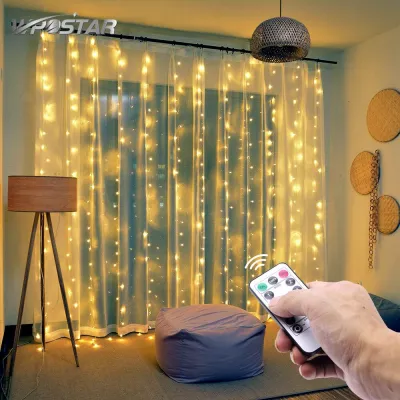
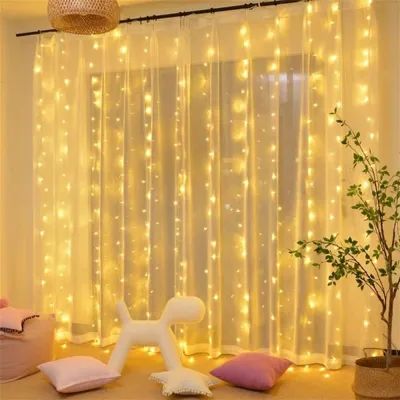
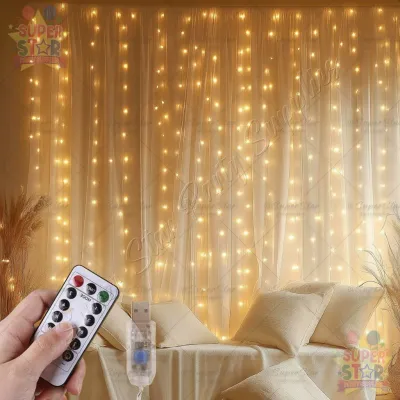
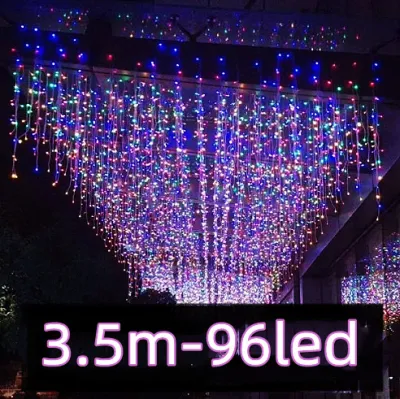
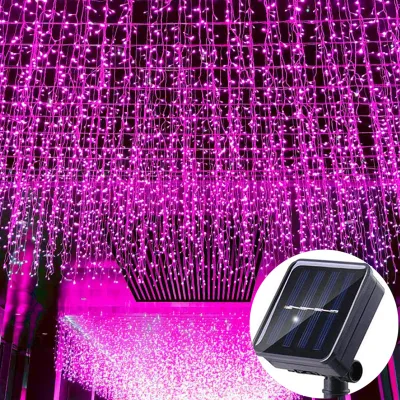
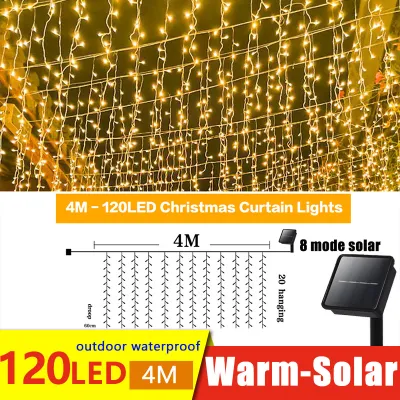
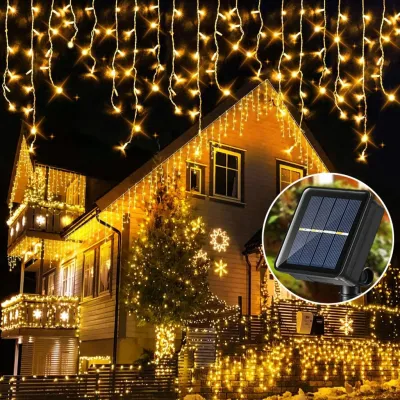
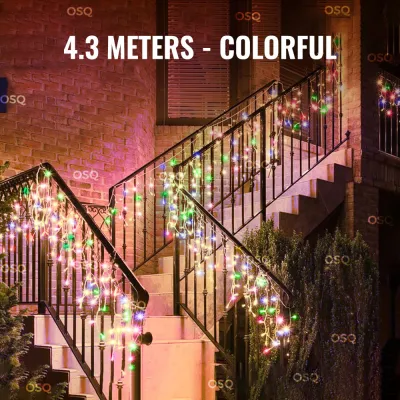
Prices are valid at publication and may change. Please refer to the product page for the latest price.
The second digit, ranging from 0 to 9, measures protection against liquids. For outdoor decorative lighting, the most common liquid protection levels are:
- 4: Protection against splashing water from any direction.
- 5: Protection against low-pressure water jets projected by a nozzle.
- 6: Protection against powerful water jets.
- 7: Protection against temporary immersion in water up to one meter deep for 30 minutes.
- 8: Protection against continuous immersion under deeper water.
It is important to recognize that these ratings are determined under controlled factory testing conditions. They do not guarantee permanent, lifetime immunity against water ingress, as exposure to UV rays, extreme heat, and physical wear will gradually degrade the silicone seals and plastic casings over time.
Minimum IP Requirements for Philippine Weather
The climate in the Philippines presents unique challenges for outdoor electrical installations. The combination of prolonged wet seasons, high ambient humidity, and intense tropical heat can rapidly accelerate the degradation of poorly sealed electronics. High humidity alone can cause moisture to accumulate inside non-hermetically sealed light strings, leading to internal corrosion and electrical shorts even if the lights never experience direct rainfall.

To choose the correct IP rating, you must evaluate the exact physical location where the led curtain light will be hung. The baseline rule is simple: the more exposed the installation site is to direct rainfall and wind, the higher the IP rating must be.
Covered or Semi-Outdoor Areas
For installations under solid eaves, covered balconies, verandas, or deeply recessed patios, a minimum rating of IP44 or IP65 is generally sufficient. In these sheltered zones, the lights are primarily exposed to ambient moisture, condensation, and occasional indirect splashes rather than direct, heavy downpours.
However, you must still account for local weather patterns. During the monsoon season, strong winds can drive rain horizontally, easily reaching areas that are normally dry. If your covered patio or balcony is open to wind-driven rain, opting for IP65 provides a much safer buffer than a basic IP44 rating.
Fully Exposed Outdoor Areas
If you plan to hang your led curtain light on uncovered exterior walls, garden fences, pergolas, or trees, the fixtures will be completely vulnerable to the elements. For these fully exposed environments, a minimum rating of IP65 is mandatory, though IP67 or IP68 is strongly recommended to withstand intense tropical storms.
Fully exposed installations require superior sealing integrity at every critical point, including the wire joints, the individual LED bead encapsulations, and the end caps of the light strings. While an IP67 rating protects against temporary water pooling, it is crucial to remember that decorative string lights are not designed for permanent submersion. Even with a high IP rating, you must ensure the lights are not positioned where they will sit in stagnant puddles or flooded garden beds.
How to Verify Waterproof Claims Before Purchase
When browsing physical retail stores or online marketplaces, you will encounter many products labeled with generic terms like “outdoor safe” or “waterproof.” To avoid purchasing substandard goods that pose safety risks, you must actively verify the manufacturer’s technical specifications.
First, look for a clearly printed, specific IP rating on the product packaging, user manual, or official specification sheet. If a seller cannot provide a concrete IP rating, treat the product as indoor-only. Additionally, check for local or international electrical safety certifications to ensure the product has undergone standardized testing.
Second, inspect the power adapter, controller box, and plug. A common pitfall is buying an led curtain light where the light string itself is rated IP65, but the power adapter or controller is only rated IP20 (indoor use only). If the transformer or plug is not rated for outdoor use, it must be kept strictly indoors or housed inside a specialized weatherproof electrical box. Ensure the voltage matches the standard Philippine household supply of 220V, and verify the wattage limits if you plan to connect multiple light strings together.
Finally, examine the physical construction of the light string. High-quality outdoor lights feature thick, heavy-duty insulation (often rubber or heavy PVC) rather than thin, easily torn copper wire. Look for secure, screw-tight connectors with rubber O-rings or silicone gaskets at the joints where different segments connect.
Installation and Maintenance Safety Boundaries
Installing outdoor lighting requires strict adherence to safety protocols to prevent electrical shocks, short circuits, and fire hazards. Before handling, untangling, or hanging your led curtain light, always isolate the power supply by unplugging the unit from the wall. If your installation involves working at heights, such as hanging lights from high eaves or tall trees, use a stable, non-conductive ladder and secure any suspended loads properly to prevent them from falling.
Even if your power adapter and controller carry an outdoor IP rating, it is best practice to house them inside a dedicated, weatherproof enclosure. This extra layer of protection shields the electrical connections from direct rain, UV degradation, and physical damage. For any fixed wiring installations or complex outdoor electrical setups, always consult a qualified professional to ensure compliance with local electrical codes.
Regular maintenance is essential to prolong the lifespan of your outdoor lights. Establish a routine to inspect the light strings for signs of wear. You must immediately unplug and stop using the lights if you observe frayed wires, cracked plastic insulation, corroded metal contacts, or visible condensation trapped inside the LED bulbs or tubes.
Frequently Asked Questions (FAQ)
Can I use indoor LED curtain lights outside if I cover them?
No, you should not use indoor-rated LED curtain lights outdoors, even if they are placed under a physical cover. Indoor lights, typically rated IP20, lack the essential moisture barriers, UV-resistant outer jackets, and corrosion-resistant components required for outdoor survival. The high ambient humidity in the Philippines can easily penetrate indoor fixtures, leading to rapid internal rust, short circuits, and potential electrical hazards. Investing in lights specifically engineered for outdoor use is always the safer and more cost-effective choice.
Does the IP rating protect against typhoons and flying debris?
An IP rating only measures protection against dust and water ingress; it does not indicate structural strength, wind resistance, or impact protection. Extreme weather events like typhoons bring high-velocity winds and flying debris that can easily tear wires, break LED bulbs, or pull down mounting structures regardless of the IP rating. To prevent physical damage and severe electrical hazards, always unplug and take down your outdoor decorative lights before a typhoon or severe storm warning.

Community discussion
Share your experience or ask a question. Comments are reviewed before publication.