
To ensure your LED fireworks tree survives the intense Philippine rainy season, you need a product with a minimum Ingress Protection (IP) rating of IP65 for exposed areas. For ground-level placements prone to puddles, an IP67 rating offers the best protection against heavy rains, typhoons, and potential flooding.
Choosing the right decorative lighting involves more than just aesthetics; it’s about durability and safety, especially in a tropical climate. Understanding the technical specifications, like the IP rating, is your best defense against premature failure and electrical hazards.
Understanding IP Ratings for Outdoor LED Fireworks Trees
The IP rating is a universal standard that classifies the degree of protection a product’s enclosure provides against foreign objects (like dust and dirt) and moisture. This two-digit code is crucial for any electronic device you plan to use outdoors. When you see a rating like IP65, each number has a specific meaning.
Products mentioned in this guide
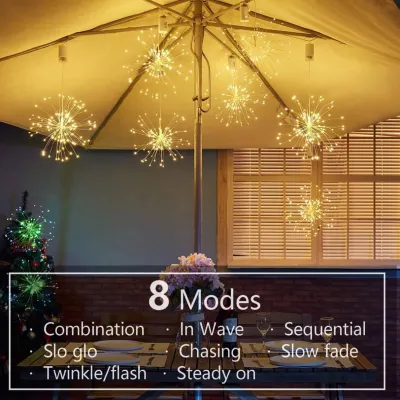
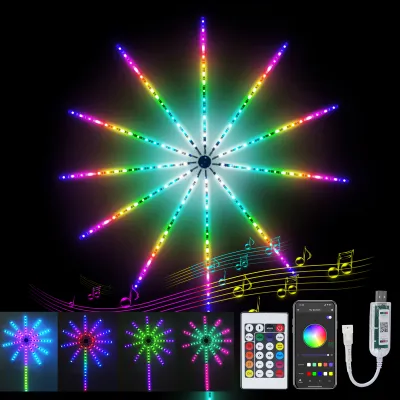
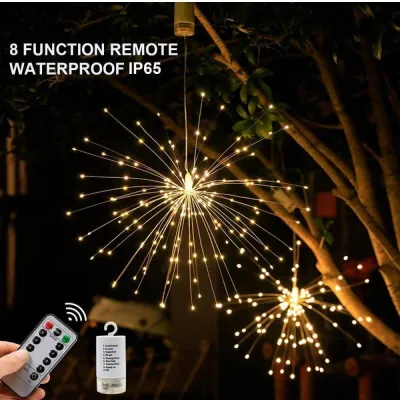
![[warranty]Solar Firework Light Outdoor Waterproof LED Firework Lamps 90/120/150LED For Fowerbed Garden Home Tree Flower Xmas Festive Lighting Atmosphere Decoration In Babalux](https://img.lazcdn.com/g/p/c11415af6358624b45fc65f5bd337bb5.jpg_400x400q80.jpg_.webp)
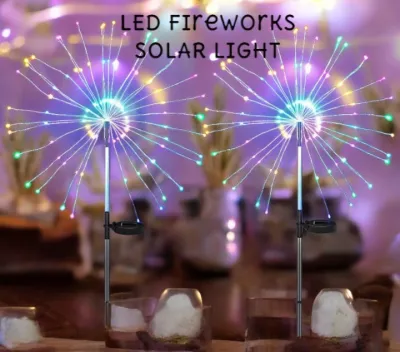
Prices are valid at publication and may change. Please refer to the product page for the latest price.
- The first digit (Solids Protection): This number ranges from 0 to 6 and indicates protection against solid particles. A rating of 4 protects against objects larger than 1mm (like most wires and screws), while a 6 means the unit is completely dust-tight. For an outdoor LED tree, a rating of at least 4 is advisable.
- The second digit (Liquids Protection): This is the most critical number for withstanding rain. It ranges from 0 to 9 and defines how well the enclosure protects against water. This is where you need to pay close attention.
Common ratings you’ll encounter for decorative lights include:
- IP44: Protects against splashing water from any direction. This is often marketed as "water-resistant" but is only suitable for light rain or areas with some cover.
- IP65: Protects against low-pressure water jets from any direction. This is a significant step up, capable of handling heavy, wind-driven rain.
- IP67: Protects against temporary immersion in water up to 1 meter deep for about 30 minutes. This is considered fully "waterproof" for most practical outdoor scenarios.
Be cautious of vague marketing terms. A product simply labeled “rainproof” or “for outdoor use” without a specific IP number offers no verifiable guarantee of its performance in wet conditions. Always look for the official IP rating.
Why the Philippine Rainy Season Demands Higher Protection
The weather in the Philippines, particularly from June to November, presents a unique set of challenges that can quickly destroy improperly rated outdoor electronics. The combination of intense rain, high humidity, and temperature swings requires a much higher level of waterproofing than a light shower in a temperate climate.

During the monsoon season, rain is often heavy, persistent, and driven by strong winds. A simple splash-proof rating like IP44 is no match for water being forced sideways and upwards into seams, connectors, and control boxes. Typhoons amplify this, turning rain into a high-pressure assault that can breach weak seals.
Even on days without rain, the country’s high tropical humidity is a constant threat. Warm, moist air can find its way inside poorly sealed electronics. When the temperature drops at night, this moisture can condense on internal circuit boards, leading to short circuits and corrosion over time. This is why a dust-tight seal (an IP rating starting with 5 or 6) is also beneficial, as it helps limit air exchange.
Furthermore, the daily weather cycle can physically stress your LED fireworks tree. The intense heat of a sunny afternoon causes materials to expand, while a sudden downpour causes them to cool and contract rapidly. This repeated expansion and contraction can weaken adhesive seals and create microscopic cracks, providing an entry point for moisture.
Minimum IP Rating Requirements for Tropical Storms and Humidity
Choosing the correct IP rating isn’t just about preventing your decoration from breaking; it’s a critical safety measure. For the Philippine climate, you must select a rating that can handle worst-case scenarios, not just average rainfall.
IP44 vs. IP65 vs. IP67: Which One Survives?
Comparing the most common IP ratings found on decorative lighting reveals a clear hierarchy of resilience against tropical weather.
- IP44 (Splash-Proof): This rating is generally insufficient for any area directly exposed to the elements in the Philippines. While it might survive a light, brief shower, it will likely fail during a prolonged monsoon downpour or a typhoon. The pressure from wind-driven rain can easily surpass the protection offered by an IP44-rated seal. You should avoid this rating for any truly outdoor application.
- IP65 (Water Jet-Proof): This should be considered the absolute minimum for an LED fireworks tree placed in an open garden, lawn, or other exposed area. The '5' in IP65 signifies protection against low-pressure water jets from any angle. This effectively simulates heavy, wind-blown rain, ensuring that the internal electronics remain dry even during a strong downpour.
- IP67 (Temporary Immersion-Proof): This is the ideal and safest choice, especially for decorations placed at ground level. The '7' guarantees that the product can withstand being temporarily submerged in water. This is crucial protection during severe typhoons that can cause flash floods, large puddles, or mud accumulation around the base of your tree. If your garden has poor drainage or you live in a flood-prone area, an IP67 rating provides essential peace of mind.
Placement Matters: Covered vs. Fully Exposed Areas
The right IP rating for your LED fireworks tree also depends on its exact location in your yard or home exterior.
If you plan to place the tree under a well-covered area like a deep lanai, balcony, or porch, you may have more flexibility. In a location shielded from direct rain and wind, a product rated IP54 or IP65 could suffice. However, you must ensure it is positioned far enough from the edge to avoid being hit by angled, wind-driven rain. High humidity remains a factor, so a sealed unit is still preferable.
For any location that is fully exposed to the sky—such as on a lawn, in a garden bed, or attached to a fence with no overhang—an IP65 rating is mandatory. Given the unpredictability and severity of tropical storms, upgrading to IP67 is a wise investment for these placements. Before you buy, carefully assess your intended installation spot and consider the typical wind and rain patterns in your area during the wet season.
How to Verify Waterproof Claims Before Buying
Many online listings for decorative lights use exaggerated or misleading terms. To protect your purchase, you must become a savvy shopper and learn how to verify a product’s waterproof claims before adding it to your cart.
First, move beyond the product title and promotional images. Look for a detailed specifications table, a product data sheet, or a downloadable user manual on the product page. A reputable manufacturer will clearly state the IP rating. If you cannot find this information, it’s a major red flag.
A common failure point is a mismatch in protection levels. A seller might advertise an LED string as IP65, but the connected power adapter, battery box, or control module may only be IP44 or, even worse, unrated (IP20) and meant for indoor use only. Always verify the IP rating for all components of the set. The entire system is only as strong as its weakest link.
Examine high-resolution product photos for physical signs of robust waterproofing. Look for:
- Rubber gaskets or O-rings on battery compartment covers or where parts screw together.
- Thick, silicone-sealed joints where the wires enter the LED tubes or the control box.
- Screw-tight, waterproof connectors between light sections or between the lights and the power cord.
Finally, be wary of vague marketing language. Terms like “weather-resistant,” “rainproof,” or “all-weather” are not standardized and offer no guarantee. Without a specific IP number to back them up, these claims are meaningless. Insist on seeing a verifiable IP rating before you make a decision.
Installation and Maintenance Tips for Wet Seasons
Proper installation and regular maintenance are just as important as choosing the right IP rating. These steps will help maximize the lifespan of your LED fireworks tree and prevent electrical hazards during wet weather.
Before installation, always read and follow the manufacturer’s instructions. If the product arrives with no clear safety guidelines or installation steps for outdoor, wet environments, do not proceed. Contact the seller or a qualified electrician.
During setup, identify the most vulnerable parts: the plug, the power adapter, and any control box. Never let these components sit directly on the ground where they can be submerged in puddles. Use small stakes, mounting clips, or a dedicated waterproof outdoor enclosure to elevate them and keep them as dry as possible.
Before the rainy season begins each year, perform a thorough inspection. Check the wire insulation for any cracks, brittleness, or fraying caused by sun exposure. Examine the seals around the control box and connectors for any signs of degradation. If you see damage, it’s safer to replace the unit than to risk a short circuit.
Most importantly, prioritize safety during severe weather. Always unplug your LED decorations during a declared typhoon, a severe thunderstorm, or when flooding is imminent. It’s also good practice to disconnect the power when the lights are not in use for an extended period to protect them from power surges and reduce wear.
Frequently Asked Questions (FAQ)
Can I use an indoor LED fireworks tree outside if I cover it with plastic?
No, you should never use an indoor-rated LED tree (typically IP20) outdoors, even if you try to cover it with a plastic bag or sheet. Plastic covers can trap humidity and heat from the LEDs, causing condensation to form inside the electronics and leading to a short circuit. Furthermore, strong winds during a tropical storm can easily rip the plastic away, leaving the indoor-rated device completely exposed to heavy rain.
Does a high IP rating protect the tree from lightning strikes?
No, an IP rating provides no protection against lightning or electrical surges from the power grid. The rating only measures a device’s resistance to solid particles and water ingress. To protect the sensitive LED circuitry, you should plug the tree into an outdoor-rated surge protector. For maximum safety, the best practice is to always unplug your outdoor decorations during severe thunderstorms.

Community discussion
Share your experience or ask a question. Comments are reviewed before publication.