
Decorating the exterior of your home with festive holiday lights is a cherished tradition in the Philippines, but the tropical climate presents distinct challenges. The transition into the holiday season often overlaps with the tail end of the rainy season, bringing sudden downpours, high winds, and intense humidity. To ensure your festive display remains safe and functional throughout the holidays, selecting the correct waterproof rating for your outdoor Christmas lights is essential. Vague marketing terms like “weather-resistant” or “waterproof” do not guarantee safety under heavy tropical rain; instead, you must rely on standardized Ingress Protection (IP) ratings.
For fully exposed outdoor installations, such as on roofs, trees, or open garden walls, a minimum rating of IP65 is highly recommended. In contrast, lower-rated options like IP44 are only suitable for fully covered, protected spaces like deep eaves or enclosed verandas. Understanding these ratings and the technical requirements of outdoor electrical setups will protect your home from electrical hazards while keeping your holiday display shining bright.
Decoding IP Water Resistance Ratings for String Lights
The Ingress Protection (IP) rating system is an international standard defined by the International Electrotechnical Commission (IEC) to classify the degree of protection provided by electrical enclosures against dust, accidental contact, and water. Rather than relying on subjective marketing claims, this two-digit code gives consumers a precise measure of a product’s physical durability.
Products mentioned in this guide
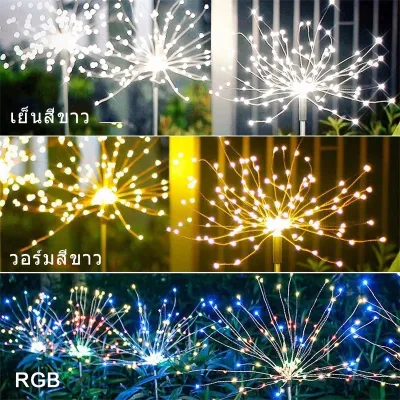
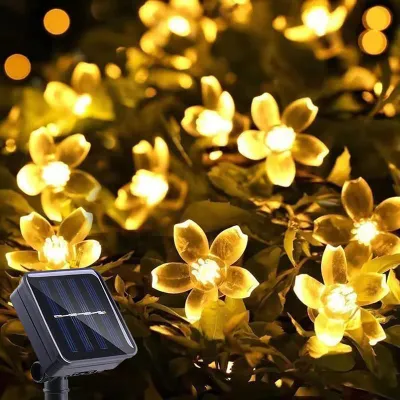
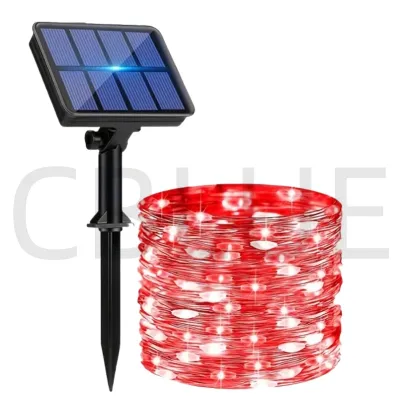
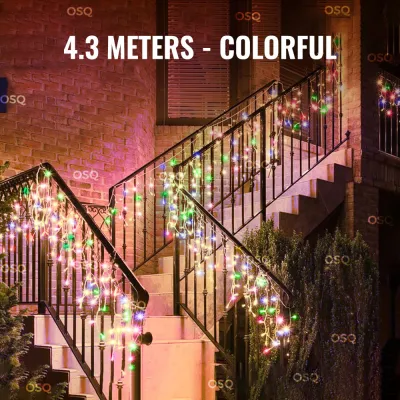
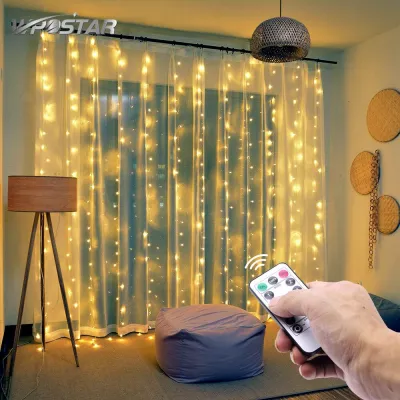
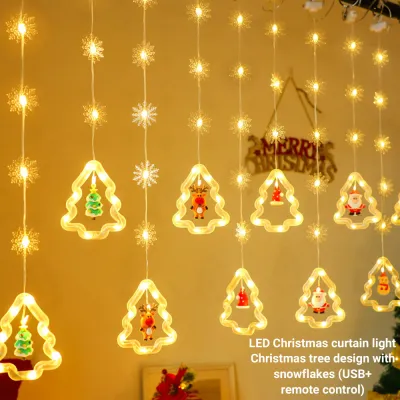
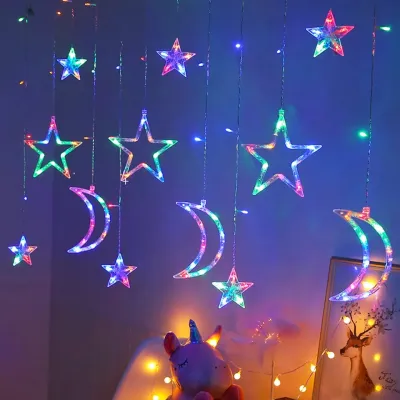
Prices are valid at publication and may change. Please refer to the product page for the latest price.
The first digit of the IP code ranges from 0 to 6 and indicates the level of protection against solid objects, such as dust, dirt, and accidental touch. A rating of 6 represents a completely dust-tight enclosure, preventing even microscopic particles from entering the internal wiring. The second digit, which ranges from 0 to 9, measures the enclosure’s resistance to liquid ingress.
For outdoor holiday lighting, the most relevant water protection levels are IPX4, IPX5, IPX6, and IPX7:
- IPX4: Protects against splashing water from any direction, which is sufficient for light moisture but vulnerable to heavy pressure.
- IPX5: Protects against low-pressure water jets from any angle, mimicking steady rain.
- IPX6: Protects against high-pressure streams of water.
- IPX7: Protects against temporary immersion in water up to one meter deep for up to 30 minutes.
When shopping for outdoor string lights, verifying these exact digits on the manufacturer’s specification label is the only reliable way to confirm their true weather resistance.
The Minimum IP Rating Required for the Philippine Rainy Season
The Philippine rainy season brings intense monsoonal rains and frequent typhoons that can quickly overwhelm standard electrical equipment. For any Christmas lights installed in fully exposed outdoor areas—such as wrapped around garden trees, lined along roof shingles, or hung across open fences—IP65 is the absolute minimum safe rating. An IP65 rating means the product is completely dust-tight (6) and can withstand low-pressure water jets from any angle (5). This specific level of liquid protection mimics the effects of heavy, wind-driven tropical rainfall, ensuring that water cannot penetrate the seals and reach the live electrical components inside.

While IP44-rated string lights are widely available and often marketed for outdoor use, they are generally insufficient for fully exposed areas in the Philippines. An IP44 rating only protects against splashing water from any direction. During a severe tropical downpour, the volume and force of the rain, combined with strong winds, can easily force water past IP44 seals, leading to short circuits, tripped circuit breakers, or permanent damage to the light string.
Furthermore, the persistent high humidity characteristic of the Philippine climate can exacerbate these issues. Over time, moisture from humid air can slowly seep into poorly sealed IP44 fixtures, creating internal condensation that corrodes the copper contacts and compromises the insulation. However, IP44 lights can still be used safely if they are restricted to fully covered outdoor zones. Deep eaves, covered patios, and enclosed balconies shield the fixtures from direct, driving rain, allowing the lower water resistance rating to perform adequately without posing a safety risk.
Essential Electrical and Material Specs to Verify
Choosing the right IP rating is only the first step; you must also verify several critical electrical and material specifications to guarantee long-term safety and durability. First, always confirm that the Christmas lights are compatible with the Philippine standard electrical supply of 220V AC at 60Hz. Many imported light sets are designed for different regional standards, and using incompatible voltage configurations without an appropriate step-down transformer can result in immediate electrical failure or fire. Check the manufacturer’s label for the official safety certification mark, which indicates that the product has undergone rigorous testing for local electrical standards.
Next, evaluate the physical build quality of the light strings, paying close attention to the wire gauge and insulation material. Outdoor lights should feature thick, heavy-duty rubber or robust PVC cable jackets rather than thin, fragile plastic wires. The intense tropical sun during dry spells can rapidly degrade low-quality plastics, causing them to become brittle, crack, and expose the underlying wires to moisture once the rain starts. Look for cables explicitly labeled as UV-resistant to ensure they can withstand the harsh sun-and-rain cycle.
Additionally, inspect the plugs, controller boxes, and end-to-end connectors. It is a common pitfall for the light string itself to carry an IP65 rating while the controller box or the plug is only rated IP44 or lower. Every single component in the electrical chain must be rated for outdoor use, or any vulnerable parts must be housed inside a dedicated, weatherproof enclosure to prevent water from bridging the electrical contacts.
Safe Installation and Weatherproofing Practices for Wet Conditions
Implementing safe installation and weatherproofing practices is vital when setting up holiday lighting in wet environments. To secure connection points between multiple light strings or extension cords, always use outdoor-rated, waterproof junction boxes or specialized weatherproof safety covers. These protective enclosures seal the plugs away from direct rain and moisture. For added protection, applying a small amount of dielectric grease to the metal prongs before plugging them in can help repel water and prevent corrosion, provided this aligns with the manufacturer’s care instructions.
Keeping all electrical connections elevated is another crucial safety measure. Never allow plugs, extension sockets, or controller boxes to rest on the ground, lawn, or pathways where water can pool, puddle, or flood during heavy downpours. Instead, mount these components to walls, posts, or elevated stakes well above the maximum expected water level.
Before hanging any lights, perform a thorough visual inspection while the set is completely unplugged. Check the entire length of the cord for any signs of fraying, exposed copper, cracked insulation, or loose bulb sockets. If you discover any damage, discard the set immediately; attempting to repair outdoor holiday lights with standard electrical tape is highly unsafe as it cannot provide a reliable waterproof seal.
Finally, establish strict safety boundaries during operation. Always isolate the power supply by turning off the dedicated circuit breaker or unplugging the main power source before handling, adjusting, or dismantling your outdoor lights, particularly if the ground or the fixtures are wet. If your home’s outdoor outlets do not feature Ground Fault Circuit Interrupter (GFCI) protection, or if you plan to install permanent, fixed outdoor wiring, always consult a licensed electrical professional to handle the installation safely and ensure compliance with local electrical codes.
Frequently Asked Questions (FAQ)
Can I use indoor Christmas lights outside if I cover them?
No, you should never use indoor-rated Christmas lights outdoors, even in fully covered or shielded areas. Indoor lights lack the specialized moisture-resistant seals, heavy-duty insulation, and UV protection required for outdoor environments. The naturally high relative humidity of the Philippine rainy season can easily cause moisture to condense inside the unsealed bulb sockets and control boxes of indoor sets. This internal condensation creates a direct path for electrical current to bypass insulation, presenting a severe risk of electric shock, short circuits, and electrical fires. Always verify that any lights used outdoors are explicitly certified and labeled for outdoor use by the manufacturer.
How do I store outdoor Christmas lights after the holidays?
Proper post-season care and storage are essential to preserve the integrity of your lights’ waterproof seals and wiring for the following year. Once the holidays are over, unplug the lights and gently wipe down the cords and bulbs with a clean, dry microfiber cloth to remove accumulated dirt, dust, and organic debris. Allow the entire light string to dry completely in a well-ventilated indoor space before packing them away, as storing damp lights can lead to mold growth and metal corrosion. Coil the strings loosely around a sturdy cardboard spool or a dedicated light storage reel to prevent sharp bends, kinking, or tension on the internal copper wires. Finally, store the coiled lights inside a sealed, pest-proof plastic container kept in a cool, dry place away from direct sunlight and extreme temperature fluctuations.

Community discussion
Share your experience or ask a question. Comments are reviewed before publication.