
Finding the ideal headboard lamp for late-night reading requires balancing personal comfort with consideration for your partner’s sleep. The ideal bedside fixture must deliver directional, glare-free illumination directly onto your pages or screen while keeping the rest of the bed in comfortable darkness. In tropical climates like the Philippines, where bedrooms often utilize ceiling fans and open windows, choosing a stable, securely mounted fixture that resists dust and humidity is just as important as selecting the right optical features. By focusing on precise beam control, ergonomic placement, and appropriate electrical specifications, you can create a comfortable reading nook that respects your partner’s need for rest.
Identify Optical and Mechanical Features for Focused Light
To read comfortably without casting light across the entire mattress, prioritize fixtures with high mechanical adjustability. Look for headboard lamps featuring flexible goosenecks, multi-axis swivel joints, or rotating heads that allow you to direct the light beam precisely onto your book. This physical adjustability helps ensure that even if you shift your reading posture from sitting upright to reclining, you can easily reposition the light source to maintain optimal focus.
Standard lampshades tend to scatter light in all directions, which inevitably spills over to the other side of the bed. For shared sleeping spaces, seek out fixtures designed with physical beam control features such as deep cylindrical shades, snoots, or narrow-angle optical lenses. These design elements are engineered to restrict the light cone to a tight, concentrated area, helping to ensure the illumination remains strictly on your reading material rather than diffusing across your partner’s face.
Products mentioned in this guide
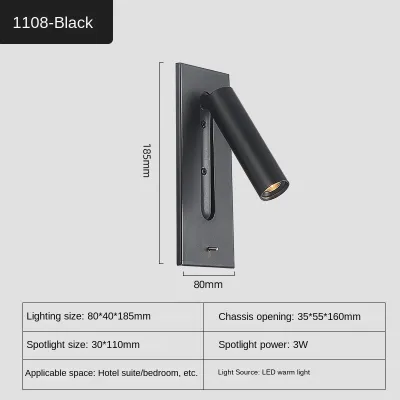
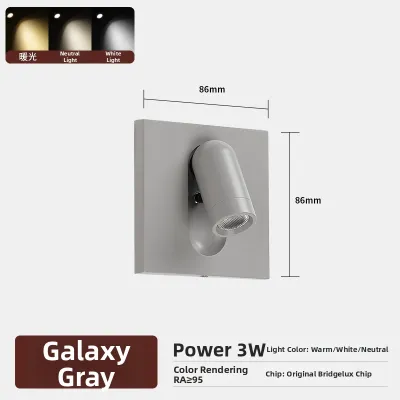
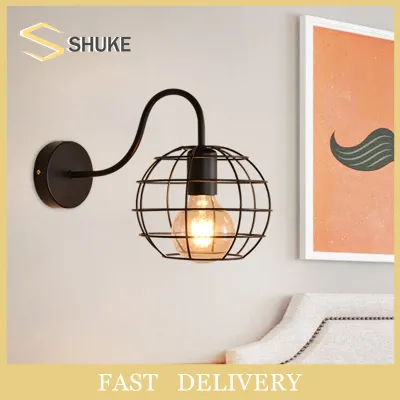
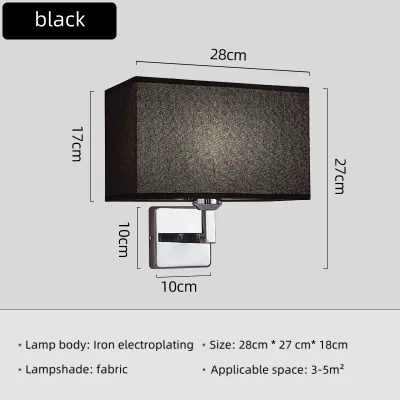
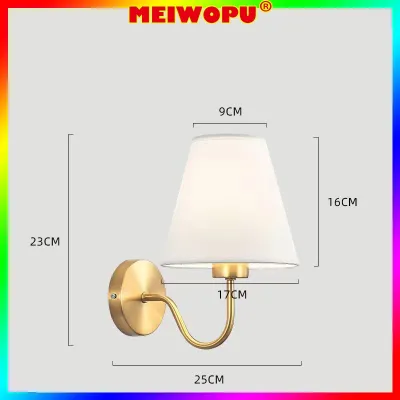
Prices are valid at publication and may change. Please refer to the product page for the latest price.
Controlling the intensity of your reading light is crucial for both eye comfort and maintaining a peaceful sleeping environment. Opt for fixtures that offer step-less dimming or multiple brightness levels so you can lower the output as the night progresses. A lower brightness setting reduces the contrast between the illuminated page and the dark room, which helps prevent eye strain and minimizes the overall ambient light in the bedroom.
The color temperature of your light source significantly influences your body’s transition into sleep. Select warm light settings, ideally between 2700K and 3000K, which mimic the soft glow of sunset and support natural circadian rhythms. Avoid cool blue or bright white light sources above 4000K, as these wavelengths can suppress melatonin production and make it harder for both you and your partner to fall asleep after you close your book.
Determine Ergonomic Placement and Installation Needs
Proper placement of your headboard lamp helps minimize awkward shadows and helps ensure you do not have to strain your neck to read. The optimal mounting height depends heavily on your typical sitting posture, the height of your pillows, and the thickness of your mattress. Ideally, the bottom of the lampshade or the light source should sit slightly above your shoulder level when you are sitting up against the headboard, allowing the beam to cascade over your shoulder onto your book.

Consider the physical reach of the lamp arm and the accessibility of its controls. A reading lamp is of little use if you must stretch uncomfortably or stand up to turn it off when you are ready to sleep. Ensure the switch is located either on the base of the fixture itself, along an easily reachable cord, or integrated into a convenient bedside panel that you can operate with a simple flick of your wrist.
Before purchasing, evaluate whether your bedroom wall can accommodate a hardwired fixture or if a plug-in model is more practical. Hardwired installations offer a clean, seamless look without visible cords, but they require routing electrical wires through the wall. For any fixed wiring work, always isolate the power at the main circuit breaker and consult a qualified electrician to ensure compliance with local electrical codes and safe installation.
Additionally, verify that your wall structure can safely support the weight of the fixture, especially if you choose a model with a heavy, articulating arm. Concrete, drywall, and wooden headboards all require different types of mounting hardware and wall anchors. Choosing the correct fasteners helps prevent the lamp from sagging over time or pulling loose from the wall due to frequent adjustments.
Balance Space-Saving Benefits with Bedroom Aesthetics
One of the greatest advantages of a wall-mounted headboard lamp is its minimal spatial footprint compared to traditional table lamps. By mounting the light fixture directly to the wall or the headboard itself, you free up valuable surface area on your nightstand. This extra space can then be used for essential items like a glass of water, eyeglasses, or personal electronics, keeping your bedside clutter-free.
Your choice of fixture should harmonize with your bedroom’s existing decor, materials, and color palette. Consider how the lamp’s finish—whether matte black, brushed brass, or polished chrome—complements your headboard’s fabric or wood grain. In humid tropical environments, look for high-quality, corrosion-resistant finishes such as powder-coated metals or treated alloys to help ensure the lamp maintains its aesthetic appeal without rusting or tarnishing over time.
Pay close attention to the visual weight and proportions of the sconce, particularly in smaller bedrooms. A bulky, overly ornate fixture can make a compact sleeping space feel cramped and visually cluttered. Opt for sleek, minimalist designs with slender arms and compact heads that provide excellent functionality without dominating the visual landscape of your headboard area.
Complete a Pre-Purchase Safety and Compatibility Checklist
Before finalizing your purchase, confirm the fixture’s compatibility with your intended bulb type, especially if the lamp does not feature integrated LEDs. Check the manufacturer’s specifications for the maximum wattage limits and base interface (such as E27 or GU10) to help prevent overheating. Using a bulb that exceeds the recommended wattage can damage the fixture’s internal wiring and pose a safety hazard.
Double-check the physical switch type and its exact location on the fixture. Some lamps feature toggle switches on the backplate, while others use touch-sensitive controls or rotary dimmers. Ensure that the switch is positioned in a way that does not require you to reach behind a hot bulb or stretch awkwardly over your headboard, which could lead to accidental burns or muscle strain.
Finally, review the product labels and manufacturer instructions regarding heat dissipation and clearance requirements. This is particularly critical if you plan to mount the lamp in close proximity to fabric headboards, plush pillows, or drapery. Ensure there is adequate ventilation around the light source to allow heat to escape safely, reducing any risk of scorching delicate textiles or causing localized heat buildup during long reading sessions.
Frequently Asked Questions (FAQ)
Can I install a headboard lamp without hardwiring?
Yes, plug-in wall sconces offer an excellent alternative to hardwired fixtures, allowing you to enjoy bedside reading lights without performing permanent electrical modifications. To maintain a clean and organized look, pair the plug-in cord with paintable cord covers or decorative channels that secure the wire flat against the wall. It is essential to secure these cords properly to help prevent them from becoming tripping hazards or getting caught behind the mattress, which could strain the electrical connections.
What is the ideal height for a reading wall sconce?
The ideal height for a reading sconce is highly subjective and should be tailored to your personal ergonomics rather than a generic standard. To find your optimal height, sit comfortably in your bed in your typical reading posture and measure the distance from the mattress or floor to your shoulder level. Before drilling any holes in your wall, test your planned height by holding a temporary light source or a cardboard mockup in place to verify that the light beam hits your reading material at a comfortable angle without shining directly into your eyes.

Community discussion
Share your experience or ask a question. Comments are reviewed before publication.