
Finding the right study lamp for your child is more than just picking an attractive design that matches their bedroom decor. A proper study lamp must deliver focused, comfortable illumination that minimizes eye strain while remaining physically safe and easy for a child to operate. By evaluating key features like glare control, physical stability, and adjustable brightness, you can create an inviting workspace that supports healthy study habits and protects your child’s developing vision.
Assess Your Child's Desk Setup and Lighting Needs
Before browsing online marketplaces or visiting local lighting stores, take a close look at where your child actually does their homework. The physical layout of the study area dictates the size, shape, and mounting style of the lamp you need.
Start by evaluating the existing ambient light in the room. If the study desk is positioned in a dark corner far from windows or main ceiling fixtures, the new lamp will need to provide robust, wide-reaching illumination. Conversely, if the room already enjoys bright, even lighting, a smaller, highly focused task light may be sufficient to fill in minor shadows.
Products mentioned in this guide
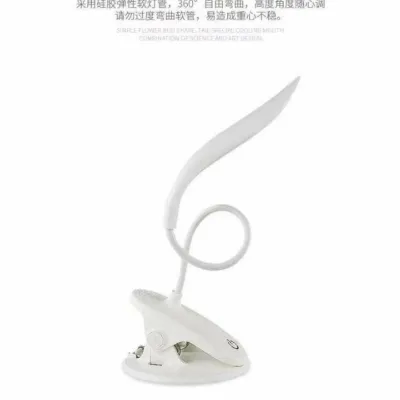
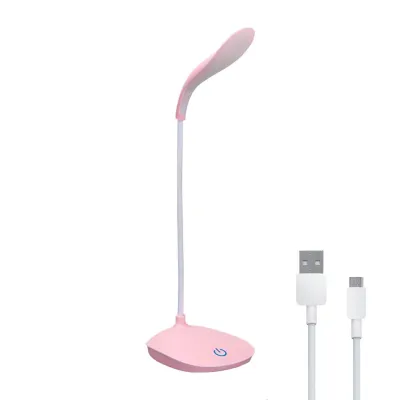
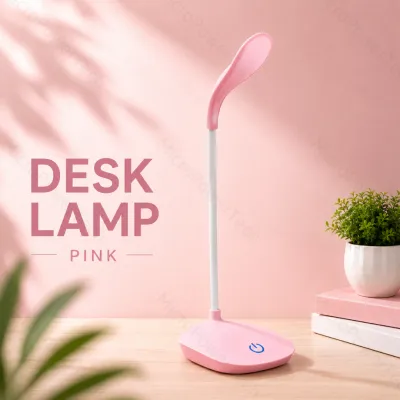
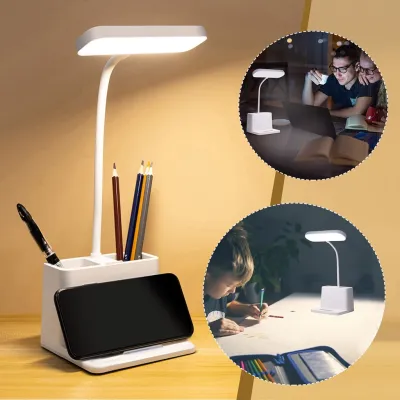
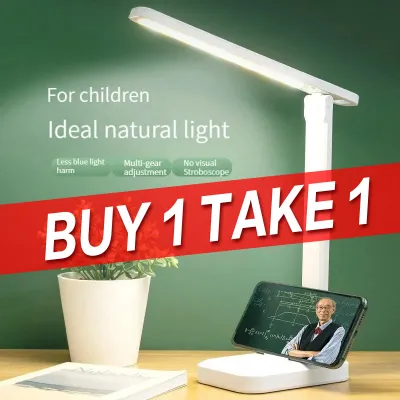
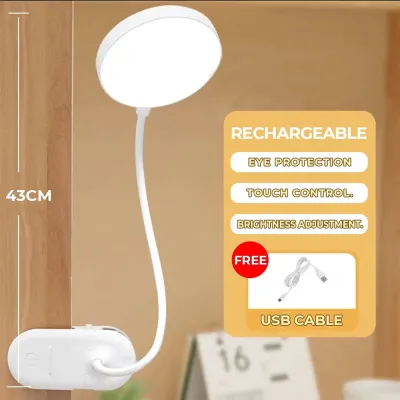
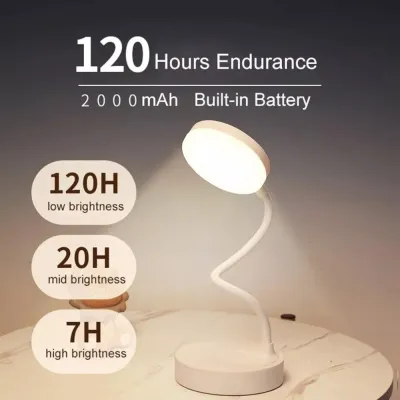
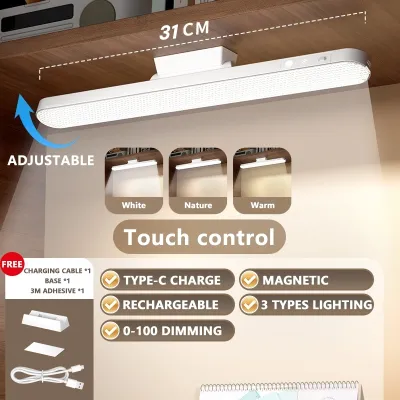
Prices are valid at publication and may change. Please refer to the product page for the latest price.
Next, measure the available surface area on the desk. A cramped desk piled high with textbooks, notebooks, and art supplies cannot accommodate a lamp with a massive, heavy base. For compact workspaces, look for space-saving designs such as clamp-on lamps or models with ultra-slim bases that leave plenty of room for writing.
Consider the material and finish of the desk surface itself. A glossy white or glass desk surface reflects significantly more light than a dark, matte wooden desk. If your child’s desk has a highly reflective surface, you will need a lamp with precise brightness controls and a highly adjustable head to prevent the light from bouncing directly into their eyes.
Consider the height of the desk and the height of your child. The lamp head should sit comfortably above your child’s eye level when they are seated, directing light downward onto their work rather than shining directly into their eyes. If the lamp is too short, it will cast harsh shadows; if it is too tall, it may cause distracting glare.
The placement of the lamp relative to your child’s writing hand is also a key consideration. To prevent casting a shadow over their work, place the lamp on the opposite side of their dominant hand. For example, if your child writes with their right hand, the lamp should be positioned on the left side of the desk.
Finally, identify the primary activities your child performs at the desk. Reading physical textbooks and drawing require a broad, even spread of light across the entire desk surface. If your child frequently uses a tablet or computer screen, you will need a highly adjustable lamp that can be angled precisely to prevent annoying reflections on the digital display.
Key Lighting Features to Reduce Eye Strain
Children’s eyes are highly sensitive to harsh light, making glare reduction one of the most critical factors when choosing a study lamp. Standard, unshielded bulbs can cause intense reflections on white paper or screens, leading to rapid eye fatigue and headaches.

To prevent direct glare, look for lamps equipped with physical diffusers, frosted covers, or honeycomb louvers over the light source. These design elements scatter the light evenly, softening the output and eliminating harsh hotspots. When inspecting a lamp, ensure the light source is recessed within the shade so the child cannot easily look directly at the bare bulb or LED panel.
Color temperature plays a significant role in focus and comfort. Look for a lamp that offers adjustable color temperature settings, typically ranging from warm white to cool daylight. Cooler, bluish-white light (around 5000K to 6500K) is excellent for daytime concentration and detailed tasks, while warmer, yellowish light (around 2700K to 3000K) is much gentler on the eyes during evening study sessions before bedtime.
Understanding how color temperature affects sleep is crucial for a child’s routine. Exposure to high levels of blue light in the evening can suppress the production of melatonin, the hormone responsible for sleep. Utilizing a warm light setting during night study helps prepare your child’s body for rest, ensuring they can wind down easily after finishing their homework.
Smooth brightness adjustability, or dimming, is another essential feature. A lamp with only a single on-off switch cannot adapt to changing daylight conditions. A dimmable lamp allows your child to lower the brightness when the room is naturally bright, or increase it as the sun goes down, maintaining a consistent level of illumination throughout the day.
The Color Rendering Index (CRI) is another specification worth checking on the product label. A higher CRI, ideally 80 or above, ensures that colors appear vibrant and true to life. This is particularly important for younger children who spend time drawing, coloring, or working on creative school projects.
When reviewing product specifications, look for manufacturer labels indicating flicker-free technology or low-blue-light emissions. Rapid, invisible flickering from low-quality LED drivers can cause subtle eye strain and fatigue over long periods. While these features are often highlighted in promotional materials, it is wise to verify them by checking the official specification sheet or user manual.
Physical Safety and Electrical Stability
A child’s study environment is often highly active, meaning a study lamp must be robust enough to withstand accidental bumps and nudges. Physical stability is paramount to prevent the lamp from tipping over and causing injury or damage.
Evaluate the weight and footprint of the lamp base. A high-quality desk lamp should have a heavy, low-profile base that keeps the unit firmly anchored, even when the flexible neck is fully extended or adjusted. If you choose a clamp-on model, ensure the clamp is made of durable materials like metal and can grip the desk edge securely without slipping.
Heat management is another critical safety consideration. Traditional incandescent bulbs can become extremely hot to the touch, posing a burn hazard for curious fingers. Integrated LED lamps or fixtures designed for low-wattage LED bulbs are highly recommended, as they remain cool to the touch even after hours of continuous operation.
Examine the power cord design and routing. The cord should be thick, durable, and long enough to reach the wall outlet without being stretched taut across walkways, which creates a tripping hazard. Keep the cord organized and away from the desk chair wheels, which can easily crush or damage electrical insulation over time.
Consider the design of the power plug and adapter. Some lamps utilize bulky wall adapters that can easily fall out of loose wall sockets, which are common in older homes. A standard, slim plug that fits snugly into the outlet is generally more secure and less likely to be accidentally dislodged by a child’s movement.
In the Philippines, electrical safety is a vital concern due to varying household wiring conditions and tropical humidity. Always confirm that the lamp meets local safety standards by looking for recognized certification marks, such as the Philippine Standard (PS) mark or the Import Commodity Clearance (ICC) sticker, on the product or its packaging. These marks verify that the appliance has undergone rigorous safety testing.
Usability and Adjustability for Growing Kids
A study lamp should be a tool that your child can operate independently without constantly needing adult assistance. The controls should be intuitive and physically manageable for smaller hands.
Touch-sensitive controls are highly popular because they require very little physical effort to operate. However, ensure the touch panel is responsive and clearly marked so your child can easily find the power and dimming buttons. If the lamp uses physical switches, buttons, or dials, test them to ensure they feel sturdy and do not require excessive force to click or turn.
The adjustability of the lamp neck is crucial for accommodating your child’s growth. Gooseneck lamps or multi-jointed architect-style arms allow the light to be positioned at various heights and angles. Verify that the joints are tight and durable; a poorly made adjustable neck will quickly loosen, causing the lamp head to droop and lose its position.
Pay attention to the material of the flexible neck. Silicone-coated goosenecks are often easier to clean and quieter to adjust than metal spring-loaded joints. Furthermore, enclosed joints prevent small fingers from getting pinched when your child is adjusting the light angle.
Consider how easy the lamp is to clean and maintain. Children’s desks can quickly accumulate dust, pencil shavings, and ink smudges. A lamp with a smooth, non-porous surface and minimal crevices can be easily wiped clean with a dry or slightly damp microfiber cloth when the power is disconnected.
Some modern study lamps come with extra features like built-in digital clocks, USB charging ports, or study timers. While these can be convenient, make sure they do not overcomplicate the lamp’s primary function. A built-in timer can help your child practice the Pomodoro technique, but the interface should be simple enough for them to set up without frustration.
Final Verification Before Purchasing
Before finalizing your purchase, take a few minutes to verify the technical specifications to ensure the lamp is fully compatible with your home setup. This step prevents the hassle of returns or dangerous electrical mismatches.
First, check the voltage rating of the lamp. In the Philippines, the standard household voltage is 220V at 60Hz. Ensure the lamp is rated for this voltage and features a compatible plug type (typically Type A or Type B flat prongs) to avoid the need for bulky, unsafe adapters or voltage converters.
Next, decide between an integrated LED lamp and a model with a replaceable bulb. Integrated LED lamps are highly energy-efficient and often have a rated lifespan of 25,000 hours or more, but the entire fixture must be replaced once the light source fails. Lamps with replaceable sockets allow you to swap out the bulb easily, though you must ensure any replacement bulb matches the fixture’s maximum wattage limit.
Read through customer reviews on online marketplaces, paying close attention to feedback regarding long-term durability. Look for comments about whether the adjustable joints hold their position over several months of use, and whether the LED light maintains its brightness without dimming prematurely.
Finally, review the seller’s return policy and warranty terms. A reliable manufacturer or retailer should offer at least a one-year warranty on electrical components. Having a clear return policy ensures that if the light color, spread, or overall size does not fit your child’s specific desk setup, you can easily exchange it for a more suitable model.
Frequently Asked Questions (FAQ)
Can a regular desk lamp be used as a study lamp for kids?
While a standard decorative desk lamp can provide light, it often lacks the specific features needed for focused study. Decorative lamps typically have fixed shades that do not allow you to direct the light precisely, which can lead to glare and shadows. They also rarely feature adjustable brightness or color temperature settings, making it difficult to adapt the light to your child’s needs throughout the day.
Should the study lamp be the only light source in the room?
No, a study lamp should never be the sole light source in a dark room. Using a bright task light in an otherwise dark room creates a high-contrast environment that forces your child’s pupils to constantly adjust when looking between the desk and the surrounding darkness. This rapid adjustment leads to severe eye strain and fatigue. Always combine the study lamp with adequate ambient room lighting.

Community discussion
Share your experience or ask a question. Comments are reviewed before publication.