
Choosing the perfect table lamp for your dining table requires a thoughtful balance of functional illumination, physical proportions, and aesthetic appeal. The ideal fixture must highlight the colors of your food, create an inviting atmosphere, and fit seamlessly alongside your dinnerware without obstructing face-to-face conversations. By focusing on key specifications such as size, brightness, color temperature, and power source, you can transform your dining area into a warm, welcoming space for family meals and social gatherings.
Define the Role of Your Dining Table Lamp
Before browsing online marketplaces or local lighting boutiques, you need to establish exactly how the lamp will function in your dining space. A lamp placed directly in the center of the table serves a very different purpose than one positioned on a nearby sideboard or buffet cabinet. Center-table lamps are designed to cast light directly onto your food and dinnerware, making them the focal point of the meal.
If your dining room already features bright overhead fixtures, such as a chandelier or recessed ceiling lights, your table lamp will primarily serve as an ambient accent. In this scenario, you do not need a high-output light source; instead, you want a soft, low-intensity glow that softens the shadows cast by overhead lighting. This combination creates a layered lighting effect that makes the room feel more spacious and comfortable.
Products mentioned in this guide
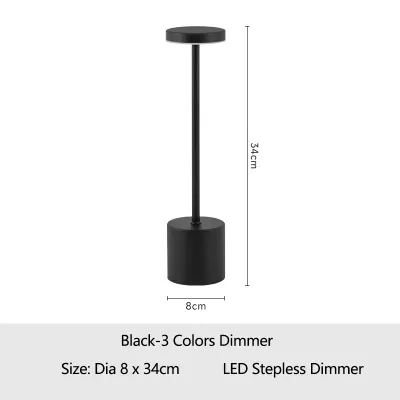
Prices are valid at publication and may change. Please refer to the product page for the latest price.
Conversely, if your dining area lacks overhead fixtures entirely, the table lamp may need to act as the primary light source for the immediate dining zone. This requires a lamp with a higher lumen output and a shade design that distributes light outward rather than just downward. Understanding this distinction prevents you from purchasing a lamp that is either blindingly bright or frustratingly dim.
For those who prefer to keep the dining surface completely clear for large serving platters, placing the lamp on a sideboard or credenza is an excellent alternative. This setup provides a beautiful background glow that frames the dining area without taking up valuable table real estate. It also allows you to choose larger, more decorative lamp bases that might otherwise crowd a busy dining table.
Core Specifications for a Dining Table Lamp
Size and Proportion Guidelines
The physical dimensions of your dining table lamp are critical for maintaining both functionality and visual harmony. A lamp that is too tall will shine light directly into the eyes of seated guests, causing uncomfortable glare and disrupting the flow of conversation. To avoid this, look for a lamp where the bottom of the shade sits at or below the eye level of your guests when they are seated around the table.

The width of the lamp shade and the footprint of the base must also be carefully measured against your table size. A bulky base can quickly crowd plates, drinking glasses, and serving bowls, especially during family-style meals where multiple dishes are passed around. Opt for slim, minimalist bases or compact cordless designs that occupy minimal surface area, leaving plenty of room for your dining setup.
Visual weight is another important design consideration that affects how the lamp fits into your room’s overall aesthetic. A heavy, solid ceramic lamp might overwhelm a delicate glass-top table, while a tiny, thin metal lamp might look lost on a massive solid wood dining table. Aim to match the scale and material of the lamp to the style and sturdiness of your dining furniture.
Brightness and Color Temperature for Food
When selecting a table lamp for food presentation, color temperature is one of the most influential factors. Light sources with a warm color temperature, typically between 2700K and 3000K, are highly recommended for dining spaces. This warm, golden light enhances the natural red, yellow, and brown tones in cooked dishes, making your meals look incredibly appetizing and fresh.
In contrast, cool white or daylight color temperatures above 4000K can make food look unappealing, casting a sterile, bluish hue over your dining spread. To ensure your home-cooked meals look their best, always check the product packaging or online specifications for the Kelvin rating. Choosing a warm light source helps recreate the cozy, inviting atmosphere of a high-end restaurant right in your own home.
Dimmable features are incredibly valuable for a dining table lamp, allowing you to adjust the light levels to suit different occasions. You might prefer a brighter setting while preparing the table or enjoying a casual family lunch, and a softer, low-light setting for intimate dinners or late-night drinks. Look for lamps with built-in touch dimmers or step-dimming capabilities to easily transition the mood of the room.
Placement, Power, and Safety Considerations
Managing power sources and cables is a vital step in ensuring a safe and clean dining environment. If you choose a traditional plug-in table lamp, you must carefully plan how the power cord will reach the nearest wall outlet. Loose cords running across the floor present a serious tripping hazard, while cords draped over the edge of the table can easily be snagged, pulling the lamp down.
To maintain a clean aesthetic and prevent accidents, consider using cord covers, securing cables along table legs, or opting for a cordless, battery-operated model. If you are using a corded lamp, ensure the table is positioned close to an outlet so the cord does not have to stretch across high-traffic pathways. This is especially important in busy households with children or pets.
Stability is another crucial safety factor to evaluate before making a purchase. Dining tables are active zones where elbows bump the surface, heavy dishes are passed, and glasses are set down. A top-heavy lamp with a narrow, lightweight base can easily tip over during a lively meal, potentially damaging your dinnerware or causing a spill. Look for lamps with weighted bases or low centers of gravity to ensure they remain securely in place.
Additionally, always review the manufacturer’s instructions regarding heat output and clearance requirements. Traditional incandescent bulbs can become quite hot to the touch, which poses a safety risk if placed near paper napkins, floral centerpieces, or flammable decorations. Utilizing energy-efficient LED bulbs is a safer choice, as they emit very little heat and remain cool even after hours of continuous use. In tropical climates like the Philippines, where high humidity is common, choosing a lamp with moisture-resistant materials is especially beneficial if you enjoy meals on a covered patio or veranda.
If you are considering more permanent modifications, such as converting a table lamp into a hardwired fixture or installing a dedicated floor outlet beneath your dining table, always consult a qualified electrician. Professional installation ensures that all electrical work complies with local safety standards and prevents potential hazards. For temporary setups, sticking to certified plug-in or rechargeable options is the safest and most flexible approach.
Your Dining Lamp Selection Checklist
Before finalizing your purchase, take a moment to run through a quick checklist to ensure your chosen lamp is a perfect fit for your dining space. First, verify the technical specifications on the product label, paying close attention to the maximum wattage limits, compatible bulb types, and dimming capabilities. Ensuring your bulb matches the fixture’s requirements prevents overheating and flickering issues.
Next, take precise measurements of your dining table and compare them to the physical dimensions of the lamp. Note the height of the lamp, the diameter of the shade, and the width of the base to visualize how much space the fixture will occupy. This step is crucial for confirming that the lamp will not block sightlines or crowd your table settings.
Finally, check the retailer’s return policy and warranty terms before checking out, whether you are buying from a local showroom or an online marketplace. Light quality can look very different in your home compared to a store display or a product photo. Having a flexible return window allows you to test the lamp in your actual dining environment and return it if the color temperature or brightness does not meet your expectations.
Frequently Asked Questions (FAQ)
Can I use a regular desk lamp on my dining table?
While it is physically possible to place a desk lamp on a dining table, it is generally not recommended due to differences in light distribution. Desk lamps are engineered for task lighting, casting a highly focused, concentrated beam of light directly onto a workspace. On a dining table, this focused beam can create harsh shadows, intense glare, and an uncomfortably bright spot on a single plate while leaving the rest of the table in darkness. Additionally, the industrial or utilitarian design of most desk lamps rarely complements the warm, social aesthetic of a shared dining area.
Are cordless rechargeable lamps safe for dining tables?
Yes, cordless rechargeable lamps are highly practical and safe options for dining tables, provided you follow basic safety guidelines. Because they do not require a power cord, they completely eliminate tripping hazards and keep your dining surface looking clean and uncluttered. When selecting a cordless model, check the manufacturer’s instructions for water resistance ratings to ensure the lamp can withstand accidental food or drink spills. It is also wise to review the expected battery life and charging times so you can ensure the lamp remains powered throughout your entire meal.

Community discussion
Share your experience or ask a question. Comments are reviewed before publication.