
Finding the perfect accent light for your hallway or bedside is about more than just picking an attractive fixture. It requires a thoughtful balance of practical illumination, spatial constraints, and design harmony. To make the right choice, you must evaluate how a wall sconce interacts with your physical wall space, your home’s electrical setup, and your daily routines. By focusing on key features like size, brightness, and style compatibility, you can select a fixture that functions safely, fits your layout, and enhances your living space.
Evaluate Your Wall Space and Installation Limits
Before purchasing any wall fixture, you must carefully assess the physical dimensions and structural conditions of your chosen wall. Start by measuring the available wall area, taking note of any potential obstructions. In tight hallways, look out for swinging doors or large mirrors that could collide with a protruding fixture. In the bedroom, measure the height and width of your headboard and bedside tables to ensure the light sits in a balanced, functional position without crowding your furniture.
Next, identify your power source type. Hardwired fixtures offer a clean, seamless look but require an existing junction box behind the wall. If you are installing a light on a solid concrete hollow block wall—a very common construction style in Philippine homes—routing new internal wiring can be highly invasive and labor-intensive. In these cases, a plug-in wall sconce with an attractive, visible cord is often a much more practical and accessible alternative.
Products mentioned in this guide
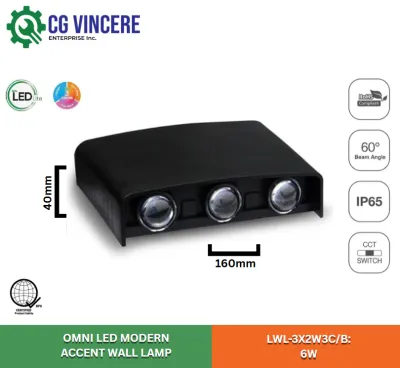
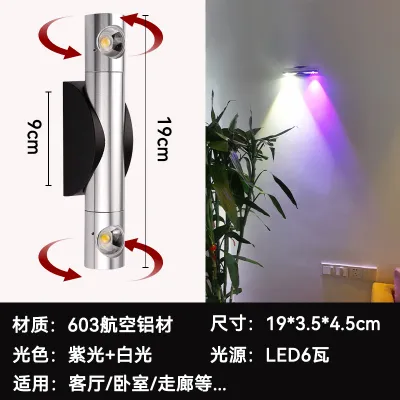
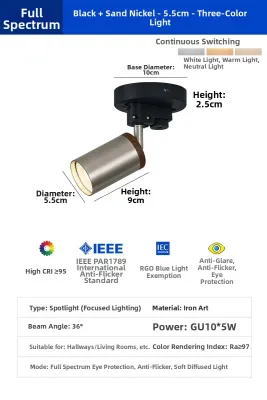
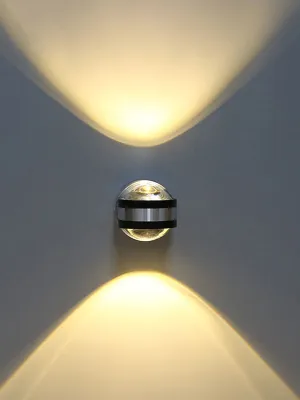
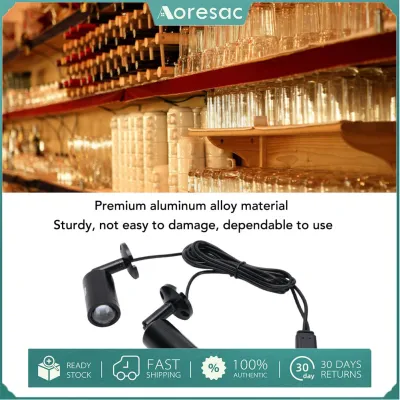
Prices are valid at publication and may change. Please refer to the product page for the latest price.
Finally, establish your mounting height guidelines before drilling. For corridors and hallways, mounting the fixture so the center of the light source is roughly at eye level—typically around 60 to 66 inches from the floor—prevents glare and ensures balanced light distribution. For bedside tables, the fixture should sit at a height that allows you to easily reach the switch while sitting up, keeping the light source positioned to avoid direct glare into your eyes.
Identify the Right Brightness and Light Direction
The ideal light output and beam angle depend heavily on whether your accent light is meant for ambient hallway guidance or focused bedside reading. For hallways, you want a soft, low-intensity glow that guides your steps at night without shocking your eyes. For bedside reading, you need a more focused, higher-intensity beam directed downward toward your book. Always check the product packaging to verify the wattage limit and lumen output to ensure the fixture can accommodate your specific lighting needs.

Light direction plays a crucial role in how comfortable a space feels. Uplighting fixtures cast light toward the ceiling, creating a soft, ambient wash that makes narrow corridors feel taller and more open. Downlighting fixtures focus their beam downward, making them excellent for task-oriented bedside reading. If you want a gentle, overall glow, look for fixtures with diffused fabric, glass, or paper shades that soften the light and eliminate harsh, exposed bulb glare.
Color temperature is another essential factor to verify on product labels. For bedrooms, warmer color temperatures—typically between 2700K and 3000K—are highly recommended because they mimic the soft glow of sunset, helping your body wind down for sleep. In tropical climates, some homeowners prefer a slightly cooler neutral tone for high-traffic hallways to create a crisp, clean feel, but warm accent lighting remains the standard for creating a cozy, welcoming atmosphere in the evening.
Verify Size, Scale, and Style Compatibility
A wall sconce must harmonize with the scale of your existing furniture and architectural details to look intentional. Calculate the visual weight and physical width of the fixture relative to your bedside tables or hallway console. A massive, heavy-looking metal sconce will easily overwhelm a delicate, minimalist bedside table, while a tiny, slender fixture might get lost on a wide, expansive hallway wall.
Protrusion depth is a critical safety and comfort factor, especially in narrow corridors or compact condominium hallways. Standard building guidelines often recommend that wall-mounted fixtures in walkways protrude no more than 4 inches from the wall to prevent shoulder bumps and ensure clear passage. Always measure the depth of the fixture from the wall to its outermost edge before buying, ensuring it leaves plenty of clearance for daily foot traffic.
Aesthetic compatibility ties the entire room together. Align the fixture’s material finishes, shapes, and decorative motifs with your current interior design theme. Whether your home features a modern minimalist aesthetic, a rustic wooden charm, or a breezy tropical contemporary style, choosing a sconce with matching metal accents, wood tones, or woven textures will create a cohesive and polished look.
Check Electrical Requirements and Control Options
Ensuring your accent light integrates safely with your home’s electrical system is paramount. Review the switch and control types available on the fixture. For bedside use, convenience is key; prioritize fixtures with easily accessible controls, such as integrated base switches, dimmers, pull chains, or compatibility with smart bulbs and home automation systems. This allows you to adjust or turn off the light without having to get out of bed.
Always verify the voltage compatibility of the fixture before installation. In the Philippines, the standard residential voltage is 220V, so importing fixtures designed solely for 110V systems without a transformer can lead to safety hazards or product failure. For any fixed-wiring installations, always isolate the power at the main circuit breaker first. If you do not have an existing junction box or are unfamiliar with electrical wiring, always hire a qualified professional to handle the installation to ensure compliance with the Philippine Electrical Code.
Additionally, check for specific environmental ratings on the product label. If your hallway connects to high-moisture areas, such as a bathroom entrance, or opens up to a semi-outdoor patio prone to tropical humidity and wind-driven rain, look for damp-location or wet-location certified fixtures. Standard indoor-only fixtures can degrade rapidly or short-circuit when exposed to persistent tropical humidity, making proper environmental ratings essential for long-term safety.
Frequently Asked Questions (FAQ)
Can I install a hardwired accent light without an existing junction box?
No, you should not install a hardwired accent light without a proper junction box. The junction box is a critical safety component that houses electrical wire connections, protecting your walls from potential sparks and short circuits. Attempting to splice wires directly inside a wall cavity without a box violates electrical safety codes and poses a severe fire hazard. If your wall lacks a junction box and you want to avoid invasive masonry work, consult a licensed electrician to install one safely, or opt for a plug-in wall sconce that plugs directly into a standard wall outlet.
What is the ideal mounting height for a bedside wall sconce?
The ideal mounting height for a bedside wall sconce typically places the bottom of the shade about 30 to 36 inches above the top of your mattress, or roughly at shoulder height when you are sitting up in bed. This positioning ensures that the light source is high enough to cast a helpful glow over your reading material, yet low enough that the shade shields your eyes from the direct glare of the bulb. To find the perfect spot for your setup, sit in your bed as you normally would to read, and have someone hold the fixture against the wall to test the light angle before making any permanent installations.

Community discussion
Share your experience or ask a question. Comments are reviewed before publication.