
Selecting the perfect outdoor holiday lighting for your home in the Philippines requires balancing festive aesthetics with durability against demanding tropical weather. The local holiday season, which famously begins as early as September, spans months of shifting weather patterns—ranging from late-season typhoons and heavy monsoon rains to intense, humid heat. To ensure your display remains safe and vibrant throughout the long festive period, you must look beyond visual appeal and evaluate technical specifications, wire qualities, and safety certifications. This guide outlines the essential features, wire specifications, and safety checks to prioritize before purchasing your next set of outdoor lights.
By focusing on robust construction and proper electrical ratings, you can protect your property from electrical hazards while creating a stunning display. Whether you plan to drape lights along your roofline, wrap them around garden trees, or illuminate your patio, understanding these technical details will help you make an informed and safe investment.
Checking Weather Resistance and Outdoor Ratings
Before purchasing any lighting set, you must verify its suitability for outdoor environments. Indoor-only lights lack the necessary seals to keep moisture out, posing severe shock and fire hazards when exposed to rain. Always check the product packaging for explicit “outdoor use” labels or symbols before making a purchase.
Products mentioned in this guide
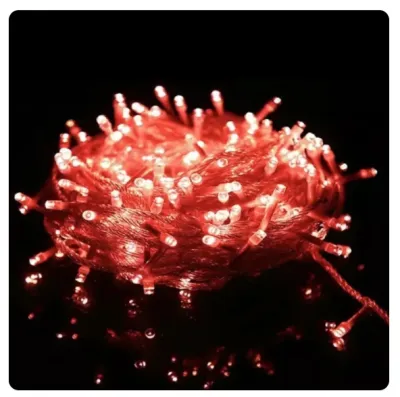
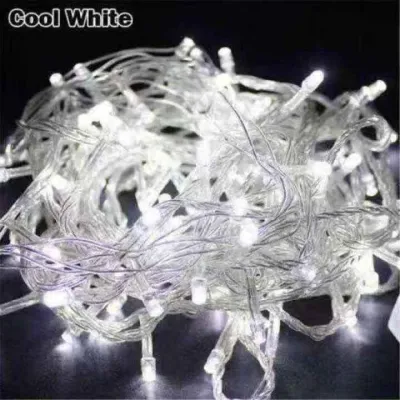
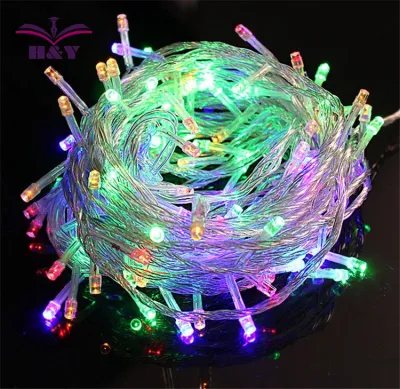
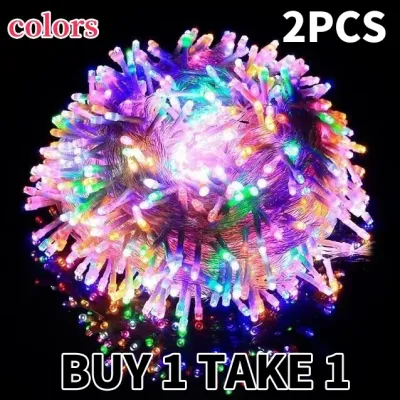
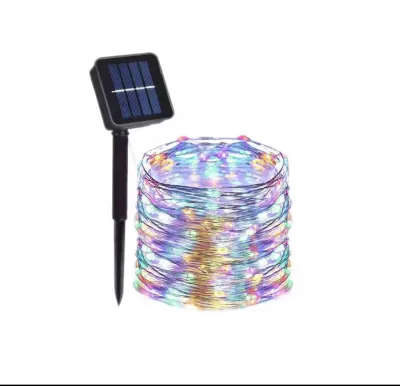
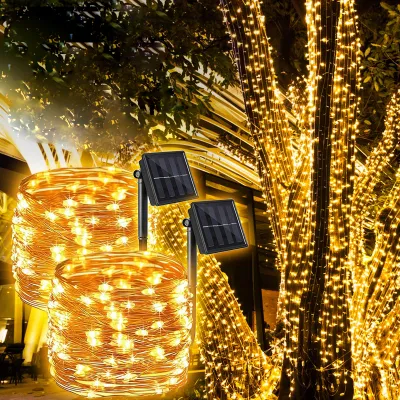
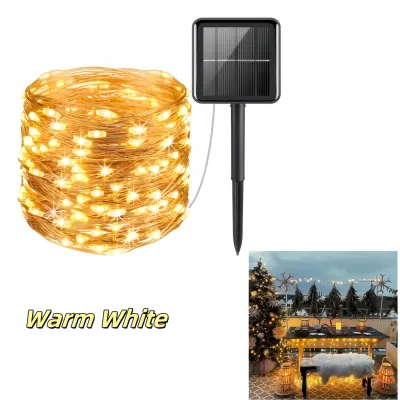
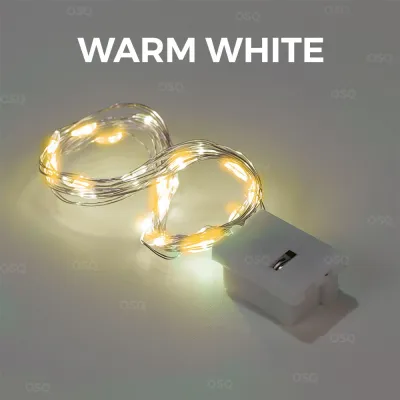
Prices are valid at publication and may change. Please refer to the product page for the latest price.
To gauge how well a set of lights can withstand tropical downpours, look for its Ingress Protection (IP) rating. This rating consists of two digits: the first indicates protection against solid objects, while the second measures liquid resistance. For outdoor holiday displays, an IP44 rating is the minimum standard, meaning the product is protected against splashing water from any direction. For areas completely exposed to heavy rain or wind-driven monsoons, opting for IP65 or higher provides superior protection, as these units are dust-tight and resistant to water jets.
Tropical sun exposure is another critical factor that can quickly degrade cheap materials. Prolonged exposure to intense ultraviolet (UV) rays causes standard plastics to become brittle, crack, and expose live wires. Look for lighting sets constructed with UV-resistant materials, which are specifically formulated to withstand sun exposure without degrading or discoloring over time.
Additionally, inspect the physical construction of the bulb sockets and connectors. High-quality outdoor string lights feature sealed bulb sockets, often equipped with rubber gaskets that form a tight seal around the base of each bulb. End-to-end connectors should also feature threaded, waterproof screw caps and rubber O-rings to prevent water from seeping into the connection points where multiple strands join.
Evaluating the Christmas Lights Wire and Build Quality
The durability of your holiday display depends heavily on the quality of the christmas lights wire. Standard, budget-friendly lights often use thin PVC-coated wires that easily stretch, tear, or degrade. For outdoor installations, heavy-duty rubber-insulated cables (such as those rated as SJTW or rubber-coated) are highly recommended because they offer superior resistance to moisture, temperature fluctuations, and physical wear.

Wire thickness and flexibility are crucial when mounting lights on different surfaces. Thicker wire gauges (such as 18 AWG) are more resilient against wind tension and the physical stress of being hung across wide spans. Flexible wires are also easier to wrap around tree trunks and columns without crimping or snapping the internal copper strands, which can cause partial or complete strand failure.
When planning your layout, distinguish between the total wire length and the lighted length. The total length includes the lead wire—the unlit portion of the cable running from the plug to the first bulb. The lighted length is the actual section of the wire containing the bulbs. Measuring your outdoor space beforehand ensures you purchase strands with adequate lighted length, preventing situations where you must stretch wires tightly to reach your power source.
Finally, look for designs that incorporate reinforced stress points, particularly where the wire enters the plug and the end-to-end connectors. Molded plugs with heavy-duty strain relief sleeves prevent the wire from pulling loose or fraying at these critical connection points. Tangle-resistant wire designs also make installation and post-season teardown much easier, reducing the risk of internal wire damage during handling.
Verifying Power Sources and Electrical Safety
Operating outdoor electrical equipment requires strict adherence to local safety standards to prevent short circuits, shocks, or overloaded circuits. In the Philippines, the standard household electrical supply is 220V at 60Hz. Always verify that any plug-in lights you purchase are rated for 220V; using imported 110V lights without a proper step-down transformer will instantly damage the product and create an immediate fire hazard. Look for official safety certification marks, such as the Philippine Standard (PS) mark or the Import Commodity Clearance (ICC) sticker, to ensure the product has undergone rigorous safety testing.
When planning your power source, compare the advantages of different configurations. Plug-in lights offer consistent brightness and are ideal for large, permanent displays, but they require access to outdoor outlets. Battery-operated options are highly portable and suitable for small, isolated decorations like wreaths, though they require frequent battery replacements. Solar-powered string lights are an eco-friendly alternative that eliminates the need for outdoor wiring, but their performance depends entirely on receiving sufficient daily sunlight to charge the batteries.
If you plan to connect multiple light strands together, you must calculate the total wattage to avoid overloading the circuit. Check the manufacturer’s instructions for the maximum number of strands that can be safely connected end-to-end. Traditional incandescent strands draw significantly more power than LED alternatives, meaning you can safely connect far fewer incandescent strands before reaching the safe limit of the wire or the outdoor outlet.
Protecting your electrical connections from moisture is paramount. Always use outdoor-rated extension cords and keep all plug connections elevated off the ground to prevent them from sitting in pooling water. For maximum safety, seal all outdoor plug connections inside specialized weatherproof connection boxes or commercial outdoor cord protectors, which shield the plugs from heavy rain and humidity.
Choosing Bulb Types and Illumination Styles
The choice of bulb technology directly impacts your display’s energy efficiency, safety, and overall visual effect. Light Emitting Diode (LED) bulbs are highly recommended for outdoor holiday displays. LEDs consume up to 80% to 90% less energy than traditional incandescent bulbs, which is a significant consideration given local electricity rates. Furthermore, LEDs generate virtually no heat, making them cool to the touch and reducing the risk of fire when placed near dry foliage, wooden structures, or synthetic decorations.
Color temperature is a subjective preference that sets the mood of your outdoor display. Warm white bulbs (typically 2700K to 3000K) deliver a classic, cozy, and traditional holiday glow. Cool white bulbs (5000K to 6500K) offer a bright, modern, and crisp appearance that mimics a snowy aesthetic. Multicolor sets bring a vibrant, playful energy that is highly popular for festive family displays.
Bulb shapes and spacing should match the architectural features you are decorating. Large C7 or C9 strawberry-shaped bulbs offer a vintage look that is highly visible from a distance, making them ideal for rooflines and fence borders. G40 globe lights work beautifully for patios and outdoor dining areas, while micro-LED fairy lights are perfect for wrapping tightly around tree trunks or delicate garden shrubs. Ensure the bulb spacing on the strand provides the density of light you desire for your specific project.
Modern outdoor string lights often include smart or programmable features. These can include built-in controllers that offer various flashing, fading, or chasing patterns. Some advanced models feature Bluetooth or Wi-Fi connectivity, allowing you to set automated daily schedules, adjust brightness levels, and customize color patterns directly from your smartphone, helping you manage energy consumption effortlessly.
Installing, Maintaining, and Storing Your Lights Safely
Proper installation and maintenance are essential to preserve the integrity of your lights and ensure the safety of your home. When hanging your lights, never use metal nails, staples, or tacks. These fasteners can easily pierce the protective wire insulation, exposing live copper wires and creating severe shock or fire hazards. Instead, use plastic gutter clips, zip ties, or adhesive outdoor hooks designed specifically for hanging lights without damaging the cables.
For high-altitude installations on roofs, gutters, or tall trees, always isolate the power source before mounting, follow the manufacturer’s installation instructions, and consider hiring a qualified professional to handle work at height safely. Before climbing any ladders, lay your light strands flat on a dry indoor surface and conduct a thorough pre-installation inspection. Check the entire length of the christmas lights wire for any signs of fraying, cracked insulation, exposed copper, or damaged bulb sockets. Plug the strands in briefly to verify that all bulbs are functioning correctly before hanging them.
Outdoor lights accumulate dirt, dust, and salt residue (especially in coastal areas) over the holiday season. Before cleaning your lights, always turn off the power and unplug them from the outlet. Wipe down the wires and bulbs gently with a damp cloth, avoiding harsh chemical cleaners that can degrade the plastic or rubber insulation. Allow the entire set to dry completely before reconnecting the power.
When the holiday season ends, proper storage will extend the lifespan of your lights for years to come. Avoid pulling or yanking the strands forcefully during teardown, as this can damage the internal copper wiring. Coil the wires loosely around a dedicated storage reel or a sturdy piece of cardboard to prevent kinking and tangling. Store the lights in a cool, dry, pest-free container to protect them from high humidity and rodents during the off-season.
Frequently Asked Questions (FAQ)
Can I connect multiple strands of outdoor string lights together?
Yes, you can connect multiple strands together, but you must strictly follow the manufacturer’s guidelines regarding the maximum number of connectable sets. This limit is determined by the wire gauge and the total wattage draw of the bulbs. Connecting too many strands end-to-end can overload the wire, melt the insulation, or trip your outdoor circuit breaker. Always check the product packaging to confirm if the lights are designed for end-to-end connection and to find the specific limit for that model.
How do I protect the plug connections from heavy rain?
To protect outdoor plug connections from heavy rain, keep them elevated off the ground where water is likely to pool. Enclose all plug connections inside commercial, outdoor-rated weatherproof connection boxes or plastic cord protectors designed to seal out moisture. As an extra layer of protection, you can wrap the connection points tightly with high-quality, outdoor-rated electrical tape, ensuring the tape extends well past the joint on both sides to prevent water from seeping in.
Are solar-powered string lights bright enough for main decorations?
Solar-powered string lights are excellent for accent lighting, wrapping trees, or decorating areas far from electrical outlets, but they may not match the consistent brightness of plug-in LED lights. Their performance depends heavily on the placement of the solar panel, which must receive direct sunlight during the day to charge the internal battery. During cloudy or rainy days, the light output may be dimmer, and the operating time at night will be significantly reduced.

Community discussion
Share your experience or ask a question. Comments are reviewed before publication.