
Decorating your home’s exterior with festive lighting is a beloved holiday tradition, but the tropical climate presents unique challenges for outdoor electrical setups. When shopping for outdoor waterproof string Christmas lights, you must prioritize ingress protection (IP) ratings, durable weather-resistant materials, and certified electrical safety features. Selecting the right combination ensures your holiday display remains bright and safe through sudden tropical downpours, high humidity, and intense afternoon sun.
Understanding Waterproof Ratings for Tropical Weather
The most critical specification to verify on any outdoor light packaging is the Ingress Protection (IP) rating. This standard classification system uses two digits to define exactly how well an electrical enclosure protects against solid objects and liquids. The first digit, ranging from zero to six, indicates protection against solid particles like dust and dirt. The second digit, ranging from zero to nine, measures protection against water entry under various pressures and angles.
For fully exposed outdoor areas such as garden trees, rooflines, and open fences, look for a minimum rating of IP65. An IP65 rating means the string lights are completely dust-tight and can withstand low-pressure water jets from any direction, making them highly resilient against heavy tropical rainstorms. If you are installing lights in semi-protected areas like covered patios, porches, or deep eaves, a minimum rating of IP44 may suffice, as it protects against solid objects larger than one millimeter and splashes of water from any angle.
Products mentioned in this guide
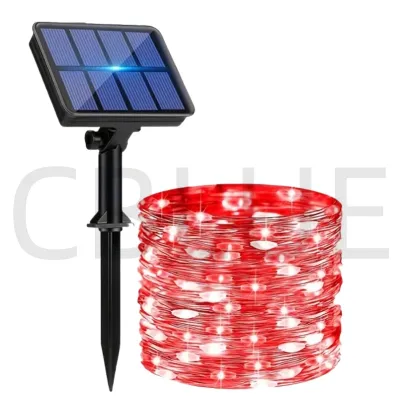
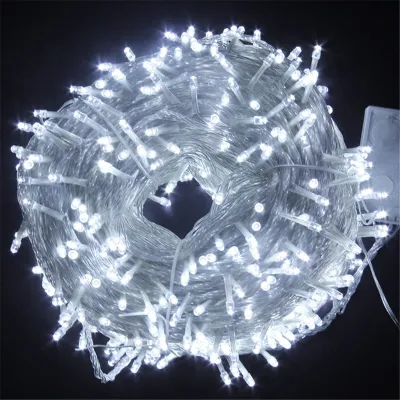
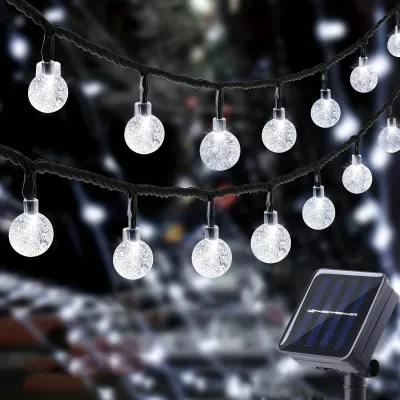
![[COD]Solar/Plug in Meteor Shower Rain Lights LED Outdoor Waterproof Icicle Fairy String Lights for Home Garden Christmas Raya Decoration](https://img.lazcdn.com/g/p/fd49d32f1a873f0ead753f71865dcfa9.jpg_400x400q80.jpg_.webp)
Prices are valid at publication and may change. Please refer to the product page for the latest price.
Never use indoor-rated lights (which often lack an IP rating or are rated IP20) in any outdoor setting, even under a deep roof overhang. High ambient humidity alone can cause moisture to accumulate inside unsealed sockets, leading to short circuits or electrical shocks. Always verify the manufacturer’s specific IP rating on the product specification sheet rather than relying on vague marketing terms like “weatherproof” or “water-resistant,” which carry no standardized guarantee.
Choosing the Right Power Source and Electrical Safety
Selecting the ideal power source depends on your installation location, proximity to electrical outlets, and maintenance preferences. Plug-in string lights are the most common choice for main holiday displays because they offer consistent, reliable brightness without fading over time. However, because they connect directly to your home’s electrical system, they require careful planning. In the Philippines, the standard residential voltage is 220V at 60Hz; you must verify that any imported plug-in lights are rated for this specific voltage to prevent immediate product failure or fire hazards.

For areas far from an electrical outlet, solar-powered string lights offer excellent installation flexibility and eliminate additional electricity costs. These systems use a small solar panel connected to a rechargeable battery that powers the lights after dark. While highly convenient, their performance depends entirely on daily sunlight exposure. During overcast rainy days, the battery may not charge fully, resulting in dimmer lights or shorter operating hours at night. Battery-operated lights are another portable alternative, though they are best reserved for small, temporary accent displays due to the ongoing cost and effort of replacing batteries.
Regardless of the power source, electrical safety must be your top priority. Always plug outdoor lights into a Ground Fault Circuit Interrupter (GFCI) outlet, which automatically cuts power if an electrical leak is detected. Ensure all extension cords and multi-outlet adapters are explicitly rated for outdoor use and feature integrated weatherproof covers. Before hanging any light strand, inspect the entire length of the wire for cracked insulation, exposed copper, or loose bulb connections, and discard any damaged sets immediately.
Evaluating Material Durability and Heat Resistance
Outdoor holiday lights in tropical regions must endure intense ultraviolet (UV) radiation and high daytime temperatures before facing heavy evening downpours. Standard, low-cost plastic wire jackets (often made of thin PVC) degrade quickly under direct sunlight, becoming brittle, cracking, and exposing live wires to moisture. To ensure your lights last for multiple holiday seasons, look for heavy-duty wire jackets made of rubber, neoprene, or UV-stabilized silicone, which remain flexible and intact despite prolonged exposure to heat and sun.
The construction of the bulb sockets and connectors is equally vital for long-term durability. High-quality outdoor string lights feature molded sockets that form a tight, seamless seal around the base of each bulb to prevent water from seeping into the electrical contacts. For heavy-duty commercial-grade string lights, look for threaded coaxial connectors equipped with rubber O-rings and screw-on compression caps. This design creates a watertight seal at every connection point between multiple light strands, preventing water ingress even during driving rain.
When reviewing product specifications, check for explicit manufacturer notes regarding UV resistance and maximum operating temperatures. Materials that are not UV-treated will yellow, harden, and crack within a single season of exposure to intense tropical sunlight. Investing in durable, UV-resistant materials reduces the risk of electrical failure and saves money over time by eliminating the need for annual replacements.
Selecting Bulb Types and Lighting Effects for Your Space
Modern light-emitting diode (LED) bulbs have largely replaced traditional incandescent bulbs for outdoor holiday decorating, and for good reason. LEDs consume up to ninety percent less energy than incandescent bulbs, allowing you to create expansive displays without overloading your home’s electrical circuits. Furthermore, LEDs emit virtually no heat, which significantly reduces the risk of fire when the lights are draped over dry foliage, wooden structures, or synthetic decorations. They also feature a much longer operational lifespan, often lasting tens of thousands of hours.
The choice of color temperature and lighting effects is a matter of personal preference, but it heavily influences the overall ambiance of your outdoor space. Warm white bulbs (typically around 2700K to 3000K) create a cozy, classic holiday glow, while cool white bulbs (5000K and above) offer a bright, modern, and snowy aesthetic. Multicolor strings and programmable smart lights allow you to switch between steady-on modes, gentle twinkling, or dynamic chasing patterns via a built-in controller or a mobile application, adding movement to your display.
To plan your layout accurately, measure the total perimeter of the areas you wish to decorate, such as rooflines, railings, or tree trunks. Always add an extra ten to fifteen percent to your total measurement to account for natural swag, wrapping around posts, or reaching the nearest power outlet. Pay close attention to bulb spacing; strings with bulbs spaced six inches apart provide a dense, high-impact line of light, while spacing of twelve to twenty-four inches is better suited for ambient canopy lighting or wrapping large tree trunks.
Installation Planning and Maintenance Checklist
A successful outdoor light display requires careful preparation to protect both the equipment and your home. Before climbing a ladder or hanging any wires, map out your layout to avoid running cords across high-traffic walkways where they present tripping hazards. Ensure that no part of the light string rests in areas prone to standing water, such as low-lying garden beds or clogged roof gutters. If your installation requires working at heights or near main electrical service lines, always prioritize safety, use a sturdy non-conductive fiberglass ladder, and consider hiring a qualified professional.
When securing your lights, never use metal nails, staples, or tacks, as these can easily pierce the protective wire insulation and cause short circuits, shocks, or fires. Instead, use purpose-built plastic outdoor light clips that grip shingles, gutters, or railings securely without damaging your home or the light strands. For wrapping trees or securing lights to temporary structures, UV-resistant nylon zip ties are an excellent, affordable option that can be easily cut away at the end of the season.
To maximize the lifespan of your outdoor waterproof string lights, follow this seasonal maintenance checklist:
- Pre-Season Testing: Lay the light strands flat on a dry surface indoors and plug them in to verify that every bulb works before hanging them up.
- Post-Rain Inspections: After a heavy storm, visually inspect the lights from the ground to ensure no strands have fallen into puddles and that connection points remain secure.
- Post-Season Cleaning: When taking down the lights, gently wipe the wires and bulbs with a damp cloth to remove accumulated dust, pollen, and salt residue.
- Thorough Drying: Allow the light strings to air-dry completely in a shaded, well-ventilated area before packing them away.
- Proper Storage: Store the dry lights in airtight plastic bins with silica gel packets to absorb any residual moisture, keeping them in a cool, dry indoor space away from pests.
- Immediate Disposal: If you observe frayed wires, cracked bulb sockets, or water trapped inside sealed LED housings during any inspection, immediately isolate the power and discard the damaged strand.
Frequently Asked Questions (FAQ)
Can I leave outdoor string lights outside all year round?
While high-quality waterproof string lights are designed to withstand harsh weather, leaving them permanently installed outdoors will significantly shorten their lifespan. Continuous exposure to intense tropical UV rays, high daily temperatures, and persistent humidity will eventually degrade the protective rubber or plastic insulation, causing it to crack and allow water ingress. To preserve the integrity of the materials and ensure electrical safety, it is highly recommended to take the lights down after the holiday season, clean them, and store them in a dry, protected indoor environment.
How do I safely connect multiple string lights together?
To safely connect multiple light strands, you must check the manufacturer’s specifications for the maximum number of connectable sets or the maximum allowable wattage limit. Exceeding this limit can overload the thin copper wiring inside the strands, causing them to overheat and potentially melt or catch fire. When daisy-chaining lights, calculate the total wattage of all connected strands to ensure it does not exceed the capacity of your extension cord or the wall outlet’s circuit breaker. Always use the integrated watertight end caps to seal the exposed female plug at the very end of your connected run.
Are solar-powered string lights bright enough for Christmas decorations?
Solar-powered string lights can provide a beautiful, ambient glow for your holiday display, but they generally do not match the intense brightness of plug-in models. Their performance is highly dependent on the quality of the solar panel, the capacity of the rechargeable battery, and the amount of direct sunlight the panel receives during the day. For the best results, position the solar panel in an unshaded area that receives at least six hours of direct sunlight daily, and check the product specifications for the lumen output to ensure it meets your visibility expectations.

Community discussion
Share your experience or ask a question. Comments are reviewed before publication.