
A 25-inch Capiz lantern brings a distinct coastal elegance and warm, diffused illumination to any interior space. Selecting the right fixture requires balancing aesthetic appeal with structural integrity, electrical safety, and spatial proportions. Because Capiz shells are natural, organic materials harvested from the windowpane oyster, each lantern possesses unique characteristics that demand close inspection. To make an informed purchase, you must evaluate the quality of the shell panels, the durability of the metal framing, the safety of the electrical components, and how the physical dimensions of a 25-inch fixture interact with your home’s layout.
In the tropical climate of the Philippines, where humidity levels fluctuate, choosing a well-constructed lantern is especially important. High moisture content in the air can accelerate the degradation of poorly treated frames or low-quality adhesives. By focusing on verifiable craftsmanship details and proper installation practices, you can ensure your decorative investment remains both beautiful and safe for years to come.
Understanding Capiz Shell Quality and Craftsmanship
The primary appeal of a Capiz lantern lies in the natural translucency of the windowpane oyster shells. High-quality Capiz shells should exhibit a consistent, pearlescent luster that allows light to pass through evenly, creating a soft, warm glow. When inspecting a 25-inch lantern, look closely at the individual shell panels. Natural variations, such as subtle color gradients, faint concentric growth lines, and minor mineral flecks, are normal and add character to the piece. However, you must distinguish these organic features from structural defects like deep cracks, chips, or punctures that compromise the panel’s strength.
Products mentioned in this guide
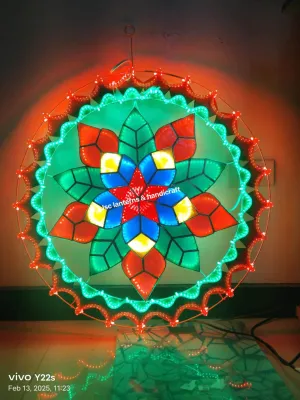
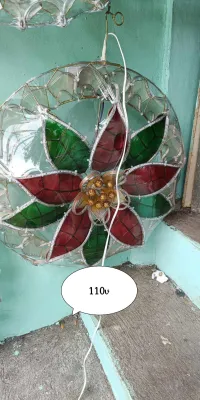
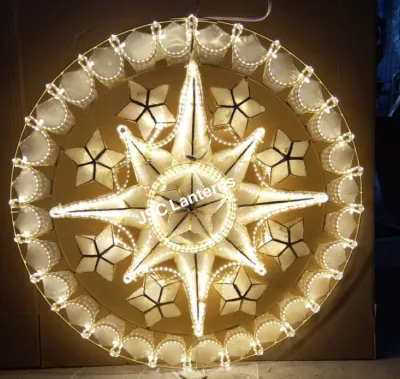
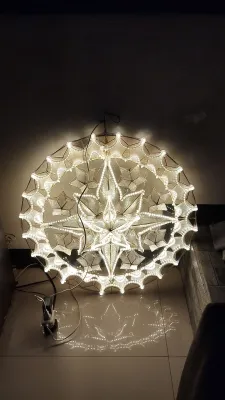
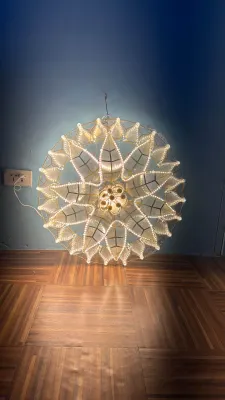
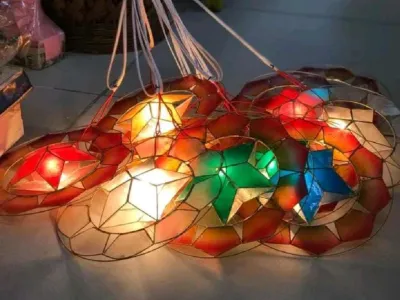
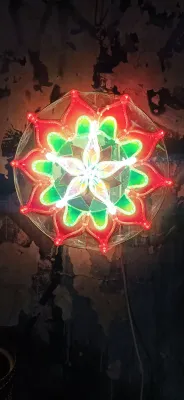
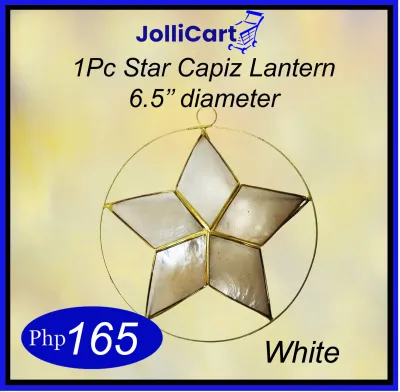
Prices are valid at publication and may change. Please refer to the product page for the latest price.
The method used to bind the shell panels together is critical to the lantern’s longevity. Traditional craftsmanship often utilizes thin brass, copper, or lead came strips to wrap and secure the edges of each shell piece. Examine these joints carefully to ensure the metal wrapping is tight, uniform, and free from sharp edges or gaps. In some modern designs, high-strength adhesives or resin coatings are used instead of metal binding. If choosing an adhesive-bound lantern, verify that the bonding agent is applied cleanly without unsightly residue, bubbles, or peeling edges, which can weaken when exposed to the heat of the light source.
A 25-inch lantern is a substantial decorative fixture that carries significant physical weight. The internal metal frame, often constructed from wrought iron, brass, or steel wire, must be rigid enough to support the entire weight of the shell panels without bending or warping. Lift or gently press against the frame to check for structural stability. A well-engineered frame distributes the weight evenly across its hanging points, preventing the lantern from tilting or sagging over time. If the frame feels flimsy or flexes easily under light pressure, it may not withstand the tension of hanging or the occasional breeze from open windows and ceiling fans.
Evaluating Lighting Specifications and Electrical Safety
Because Capiz shells are organic structures composed primarily of calcium carbonate, they are sensitive to extreme heat. Prolonged exposure to high temperatures can dry out the shells, causing them to become brittle, lose their pearlescent sheen, or turn an unsightly yellow or brown. When selecting a 25-inch lantern, always verify the manufacturer’s maximum wattage rating and socket specifications. Opting for energy-efficient LED bulbs is highly recommended, as they emit minimal heat compared to traditional incandescent bulbs, preserving the integrity of the shells while reducing energy consumption. Ensure the socket type, such as standard E27 or E14, matches the bulbs readily available in your local market.

Electrical safety is paramount for any hanging light fixture, particularly those featuring natural materials and metal frames. Inspect the power cord, plug, and any inline switches to ensure they are constructed from durable, insulated materials. In the Philippines, electrical products should carry official safety certification marks, indicating they have undergone rigorous safety testing. Check that the wiring is properly grounded if the fixture features a metal frame, and ensure the insulation is intact with no exposed copper wires or loose connections near the socket assembly.
The installation method of a 25-inch Capiz lantern depends on its intended use and location. Some models are designed as simple plug-in swag lights, featuring a long cord and a plug that connects directly to a wall outlet, which is convenient for renters or temporary setups. Other models require a hardwired connection to a ceiling junction box, transforming the lantern into a permanent pendant or chandelier. Hardwired installations demand careful handling of live electrical wires and secure mounting to a ceiling joist capable of supporting the fixture’s weight. For any hardwired setup, or if you are uncertain about your home’s electrical capacity, always consult a qualified professional electrician to handle the installation safely.
Assessing Design, Size Proportions, and Placement
A 25-inch diameter lantern is a prominent design element that requires careful spatial planning to avoid overwhelming a room. Before purchasing, measure your ceiling height and the dimensions of the space where you plan to hang the fixture. For standard eight-foot ceilings, a flush-mount or semi-flush-mount installation is often necessary to maintain adequate clearance. If hanging the lantern in a high-traffic entryway or hallway, ensure the bottom of the fixture sits at least seven feet above the floor to prevent tall guests or moving objects from bumping into the fragile shells.
When placing the lantern over a dining table or a kitchen island, the rules of proportion change. A 25-inch lantern works beautifully over a medium-sized dining table, serving as a captivating centerpiece. To achieve visual balance, hang the lantern so that the bottom of the frame sits approximately 30 to 36 inches above the tabletop. This height keeps the fixture out of the direct line of sight of seated guests while ensuring the diffused light effectively illuminates the dining surface. Additionally, consider the shape of the lantern—such as a classic globe, a structured drum, or a multi-tiered starburst—and how its silhouette complements the lines of your existing furniture.
The natural tint of the Capiz shells plays a significant role in shaping the room’s ambiance. Natural, un-dyed Capiz shells typically emit a warm, creamy white light that enhances cozy, inviting atmospheres. Some lanterns feature dyed shells in amber, blue, or multi-colored patterns, which can dramatically alter the perceived color temperature of the space. Keep in mind that darker or heavily saturated shell colors will absorb more light, reducing the overall brightness of the fixture and turning it into an accent light rather than a primary light source. Evaluate how this light diffusion aligns with the functional needs of the room, whether you require bright task lighting or soft, atmospheric illumination.
Building Your Shortlist: Purchasing Checks and Seller Verification
Because Capiz shells are exceptionally fragile, the journey from the workshop to your home poses a significant risk of damage. When browsing online marketplaces or local specialty shops, carefully review the seller’s packaging and shipping policies. Reliable sellers should detail their packaging methods, which typically involve custom-fit foam molds, heavy-duty double-walled cardboard boxes, and individual wrapping for delicate components. Inquire about shipping insurance and the seller’s return policy regarding transit damage; a reputable merchant should offer clear recourse, such as a replacement or refund, if the lantern arrives with broken shells or a bent frame.
When comparing prices in ₱, keep in mind that genuine craftsmanship and high-quality materials carry a fair cost. While it may be tempting to opt for the lowest-priced option on an ecommerce platform, extremely cheap lanterns often compromise on structural integrity, using thin plastic or synthetic shell substitutes, weak solder joints, or substandard electrical wiring. Investing a reasonable amount in a well-made fixture ensures better durability, safer electrical components, and a more authentic aesthetic. Compare multiple listings, read customer reviews that mention packaging quality, and look for sellers who specialize in handmade shell decor.
Finally, always verify the exact dimensions of the lantern before finalizing your purchase. The term “25-inch” can sometimes be ambiguous, referring to the width of a globe lantern, the height of a teardrop design, or even the diagonal measurement of a geometric shape. Request a detailed dimension diagram from the seller that clearly outlines the fixture’s width, height, and the length of the adjustable chain or cord. Confirming these measurements beforehand prevents the disappointment of receiving a fixture that is either too small to make an impact or too large to fit comfortably within your designated space.
Frequently Asked Questions (FAQ)
How do you clean a Capiz shell lantern without damaging it?
To maintain the natural luster of your Capiz shell lantern, regular, gentle dusting is essential. Use a soft, dry microfiber cloth or a feather duster to remove loose dust from the surface of the shells and the metal frame. If the shells require a deeper clean to remove grease or grime, wipe them gently with a slightly damp microfiber cloth using plain water. Avoid using harsh chemical cleaners, ammonia-based sprays, abrasive sponges, or excessive moisture, as these can strip the shell’s natural protective coating, dissolve adhesives, or cause the metal binding wires to rust. Always refer to the manufacturer’s specific care instructions before applying any cleaning solutions.
Can a 25-inch Capiz lantern be used outdoors?
Natural Capiz shell lanterns are highly vulnerable to outdoor environmental factors and are generally recommended for indoor use only. Exposure to high humidity, rain, salt air, and direct sunlight can cause the organic shells to become brittle, discolor, or crack, while the metal frames and binding wires may quickly rust or corrode. Furthermore, standard indoor-rated electrical components pose severe safety hazards when exposed to moisture. If you wish to hang a Capiz lantern in an outdoor setting, such as a covered patio or veranda, ensure the fixture is explicitly rated for damp or wet locations by the manufacturer, and install it in a fully sheltered area protected from direct wind and rain.

Community discussion
Share your experience or ask a question. Comments are reviewed before publication.