
When the holiday season arrives in the Philippines, decorating home exteriors with festive lights is a beloved tradition. However, the tropical climate presents unique challenges that require careful planning before purchasing any decorations. From sudden tropical downpours to intense afternoon heat and high humidity, outdoor holiday lighting must withstand demanding environmental conditions. Selecting the right outdoor Christmas lights involves verifying weatherproofing standards, choosing compatible power sources, measuring your space accurately, and adhering to strict safety protocols.
By focusing on key specifications such as Ingress Protection (IP) ratings, local safety certifications, and durable wire materials, you can create a stunning display that remains safe throughout the festivities. This guide outlines the essential factors to evaluate so you can make an informed, practical purchase for your home.
Check Weather Resistance and Electrical Safety Ratings
The primary consideration for any outdoor lighting installation is its ability to resist moisture and dust. Ingress Protection (IP) ratings are standard codes printed on product packaging that indicate this level of protection.
Products mentioned in this guide
![YEELITE [ BUY 1 TAKE 1 ] 9M 80 LED Outdoor Christmas Christmas Wedding Party Decorations Holiday 110v/220v Garland Lighting 9m String Lights](https://img.lazcdn.com/g/p/be98746fc3e80725442b36051a13b36b.png_400x400q80.png_.webp)
![[BUY 1 TAKE 1] Solar Flower Strings Lights Christmas Light Outdoor Waterproof Solar Fairy Lights 5M/7M Cherry Blossoms String Lights Solar Led String Lights For Outdoor Home Lawn Wedding Patio Party And Holiday Decorations In Phleo](https://img.lazcdn.com/g/p/888f620b08d7d041e6de709397172205.jpg_400x400q80.jpg_.webp)
Prices are valid at publication and may change. Please refer to the product page for the latest price.
An IP rating consists of two digits. The first digit represents protection against solid objects like dust, while the second digit represents protection against liquids.
For outdoor holiday displays exposed to wind and rain, look for a minimum rating of IP44, which protects against splashing water from any direction.
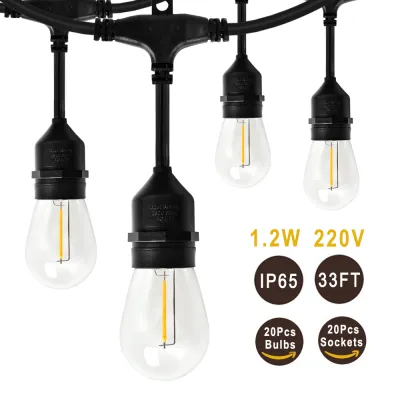
If your lights will be fully exposed to heavy tropical downpours without any shelter from eaves or awnings, opting for IP65 or higher provides robust protection against low-pressure water jets.
Beyond water resistance, the materials used in the light string must withstand intense tropical sunlight. Ultraviolet (UV) radiation from the sun can degrade standard plastic insulation over time, causing it to become brittle and crack.
Check the manufacturer’s specifications to ensure the cabling is UV-resistant. Heavy-duty rubber or thick, outdoor-rated PVC insulation is generally more durable than thin plastic wires.
Electrical safety is paramount when dealing with outdoor power. In the Philippines, always inspect the packaging for official safety certification marks, such as the Import Commodity Clearance (ICC) sticker or the Philippine Standard (PS) mark.
These holographic or printed seals verify that the product has undergone safety testing and complies with local electrical standards. Avoid purchasing unbranded lights that lack these certifications, as they may use substandard wiring that poses a fire or shock hazard.
Finally, examine the plugs, transformers, and end-to-end connectors. Even if the light string itself is waterproof, the plug and any connection points must also be protected.
Look for plugs with rubber gaskets or molded covers designed for exterior use. When connecting multiple strings together, ensure the connectors screw tightly and feature a rubber O-ring to seal out moisture. Always isolate the power supply before handling or adjusting any outdoor electrical connections.
Choose the Right Power Source for Your Outdoor Layout
Deciding how to power your outdoor display depends on your yard’s layout, the proximity of electrical outlets, and your energy preferences. The three main options are plug-in (mains-powered), solar-powered, and battery-operated lights.

Plug-in lights offer consistent, bright illumination and unlimited runtime, making them the traditional choice for large-scale displays. However, they require access to outdoor-rated electrical outlets.
In the Philippines, the standard household voltage is 220V. It is critical to verify that your light strings are rated for 220V or come with a compatible step-down transformer. Plugging a 110V light string directly into a local outlet will destroy the lights and create an immediate electrical hazard.
When using plug-in lights, you must also calculate the electrical load to prevent overloading your circuits. Check the wattage of each light string, which is typically listed on the manufacturer’s label.
If you plan to connect multiple strings end-to-end—a practice known as “daisy-chaining”—verify the maximum number of allowable connections specified by the manufacturer. Exceeding this limit can overload the thin wires of the lead string, leading to overheating.
Ensure that your outdoor extension cords and the main outlet can safely handle the combined wattage of all connected decorations, helping you manage your holiday energy use without overloading your home’s electrical system.
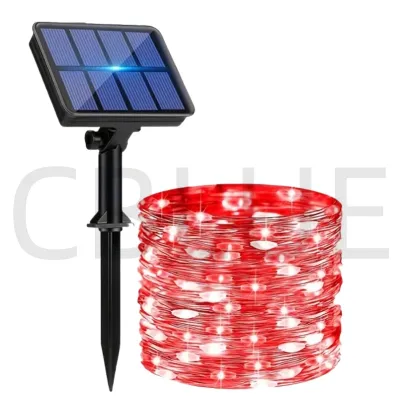
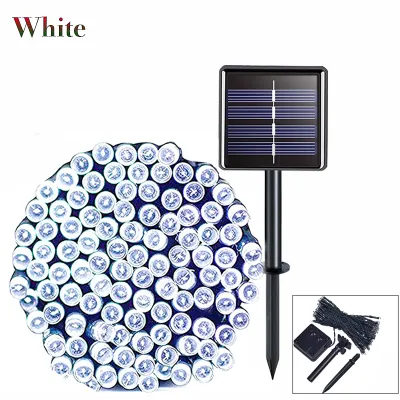
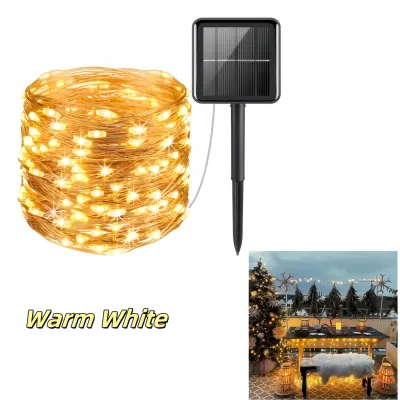
Solar-powered lights offer an excellent alternative for areas far from outdoor outlets, such as garden fences, distant trees, or pathways. They eliminate the need for running long extension cords across your lawn and do not add to your monthly ₱ electricity bill.
However, solar lights rely entirely on the solar panel receiving direct sunlight during the day to charge the internal battery. During the late-year monsoon season, extended cloudy or rainy days can significantly reduce the brightness and runtime of solar lights, sometimes resulting in only a few hours of dim illumination at night.
Battery-operated lights are highly portable and useful for small, localized accents like wreaths on front doors. However, they are generally not practical for large outdoor displays due to the frequent need to replace batteries, which can quickly become costly.
Match the Light Style and Length to Your Installation Area
To achieve a cohesive and visually appealing holiday display, match the style of the lights to the specific architectural or landscape features of your home. Different areas require different bulb designs and wire configurations to ensure a secure and attractive fit.
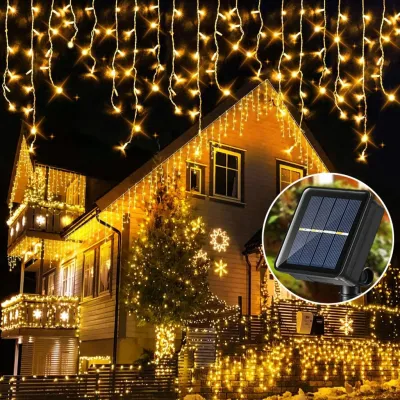
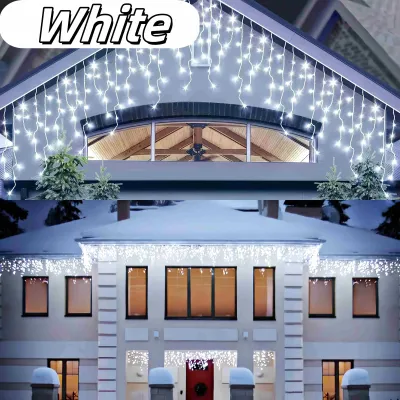
For rooflines, gutters, and eaves, icicle lights or curtain lights are highly effective. They feature vertical drops of varying lengths that mimic cascading ice or glowing drapes, defining the silhouette of your house.
When wrapping tree trunks, columns, or porch railings, standard flexible string lights or micro-LED copper wire lights are ideal. Their flexibility allows them to wrap tightly around curved surfaces without putting stress on the internal wiring.
For bushes, hedges, or large flat walls, net lights provide quick, even coverage with minimal effort, saving you from having to weave individual strings through dense foliage.
Accurately measuring your installation area is crucial to avoid buying too few or too many lights. Use a physical measuring tape to determine the length of your roofline, fence, or pillars.
When calculating the required string length, pay close attention to the “lit length” versus the “total length” listed on the packaging. The total length includes the unlit lead wire (the cord between the plug and the first bulb) and the tail wire. Only the lit length should be used in your calculations.
If you plan to wrap trees, use a simple formula: divide the height of the trunk by the desired spacing between wraps, then multiply by the trunk’s circumference to estimate the total length needed. Always buy a slightly longer string than your calculated minimum to account for slack and connection overlaps.
Aesthetic choices like color temperature and smart features should complement your existing outdoor decor. Warm white lights (typically 2700K to 3000K) create a soft, traditional, and inviting glow.
Cool white lights (5000K to 6500K) offer a bright, modern, and crisp appearance. Multi-color lights bring a playful, festive energy. These are subjective preferences rather than performance indicators.
Some modern outdoor lights feature smart controllers that allow you to change colors, set schedules, or sync the lights to music via a smartphone app. If opting for smart lights, verify that your home’s Wi-Fi signal reaches the outdoor installation area, or choose models that utilize Bluetooth or dedicated remote controls.
Plan for Safe Installation, Operation, and Storage
A beautiful holiday display is only successful if it is installed and operated safely. Proper planning prevents damage to your home’s exterior, protects the integrity of the light strings, and eliminates electrical hazards.
When mounting lights to your home, always use non-destructive, outdoor-rated plastic clips, gutter hooks, or zip ties. These accessories are designed to hold wires securely without damaging your property.
Never use metal staples, nails, or screws to secure light strings. Metal fasteners can easily pierce the protective plastic insulation, exposing live copper wires to the elements and creating an immediate risk of short circuits, electrical fires, or severe shocks.
Before hanging any lights, perform a thorough pre-installation check. Lay the light strings out on a dry indoor floor and inspect the entire length of the cord.
Look for any signs of fraying, exposed wires, cracked bulb sockets, or loose connections. Replace any broken or missing bulbs with compatible replacements specified by the manufacturer.
Plug the strings in to verify that every bulb illuminates and that any control boxes function correctly before you begin the physical installation. It is far easier to troubleshoot a faulty bulb or connection on the ground than when standing on a ladder.
Safety boundaries must be respected during installation. If your display requires working at significant heights, mounting lights on steep rooflines, or integrating fixtures into fixed household wiring, do not attempt a DIY installation.
Instead, consult a qualified professional electrician or a professional holiday lighting installer. Always ensure that the main power source is completely isolated before installing, adjusting, or removing any electrical components. Additionally, use a sturdy, non-conductive fiberglass ladder rather than an aluminum one when working near electrical wires.
Frequently Asked Questions (FAQ)
Can I leave outdoor Christmas lights up all year?
No, seasonal outdoor Christmas lights are not designed for permanent, year-round installation. Continuous exposure to the harsh tropical climate—including intense ultraviolet (UV) rays, high humidity, and heavy seasonal rains—will rapidly degrade the materials.
Over time, the plastic insulation will become brittle and crack, water will penetrate the bulb sockets, and the internal copper wiring will corrode, creating severe electrical hazards. Most manufacturers recommend keeping seasonal lights installed for no more than 90 consecutive days.
To maximize the lifespan of your lights, take them down after the holidays, clean them gently with a dry cloth, wrap them neatly to prevent tangling, and store them in a cool, dry indoor space.
How do I manage outdoor light cords to prevent tripping hazards?
Managing outdoor cords properly is essential for both safety and aesthetics. Route all extension cords and light cables along structural edges, such as the base of walls, fence lines, or under the edges of garden beds where foot traffic is non-existent.
If a cord must cross a walkway or driveway, use a heavy-duty, outdoor-rated rubber cable protector ramp to shield the cord from physical damage and prevent tripping. Secure loose cords to surfaces using outdoor-rated tape or plastic cable ties.
Never run electrical cords under outdoor rugs, mats, or artificial turf, as this traps heat and can lead to a fire hazard. Additionally, avoid routing cords through doors or windows where they can be pinched, crimped, or cut when closed.

Community discussion
Share your experience or ask a question. Comments are reviewed before publication.