
Selecting the right waterproof Santa lights for your outdoor holiday display requires balancing festive appeal with strict safety and durability standards. In tropical environments where sudden downpours, high humidity, and intense sunlight are common, standard indoor decorative lights will quickly fail and can pose serious electrical hazards. To ensure your outdoor Santa display remains safe and vibrant throughout the festive season, you must evaluate key technical specifications, including Ingress Protection (IP) ratings, power source configurations, wire insulation quality, and structural motif durability. Taking the time to verify these details before making a purchase protects your home’s electrical system and ensures your holiday investment lasts for many seasons to come.
Understanding Waterproof Ratings and Outdoor Certifications
When shopping on online marketplaces, you will frequently encounter terms like “waterproof,” “weatherproof,” and “rain-resistant.” To make an informed decision, you must look past these marketing descriptions and verify the product’s official Ingress Protection (IP) rating. An IP rating consists of two digits that define the exact level of protection a device has against solids and liquids. The first digit, ranging from 0 to 6, indicates protection against solid objects like dust, insects, and accidental contact. The second digit, ranging from 0 to 9, measures protection against moisture ingress, which is the most critical factor for outdoor holiday lighting.
For outdoor Santa lights exposed to the elements, you should look for a minimum rating of IP44. An IP44 rating means the light set is protected against solid objects larger than 1 millimeter and can withstand water splashes from any direction. While IP44 is acceptable for covered porches or semi-sheltered areas, fully exposed yard displays require a higher level of protection. Opting for IP65 or IP66 ratings is highly recommended for open garden setups. An IP65 rating signifies that the product is completely dust-tight and can handle low-pressure water jets, making it highly resilient against heavy tropical rains.
Products mentioned in this guide
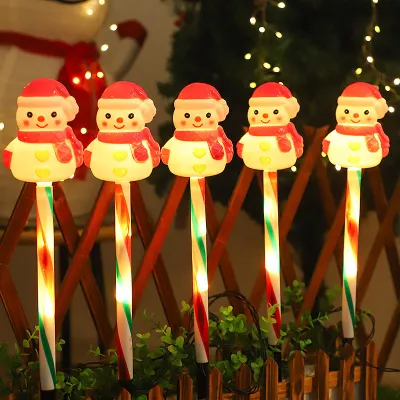
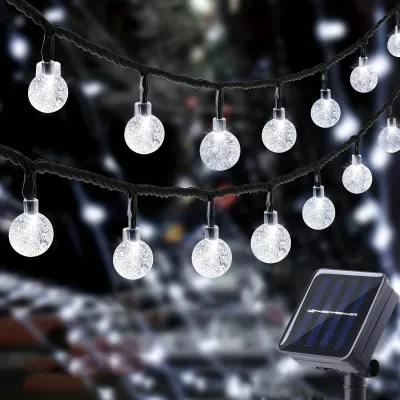
Prices are valid at publication and may change. Please refer to the product page for the latest price.
It is important to distinguish between vague product descriptions and certified ratings. Many low-cost listings claim to be “waterproof” but lack any official IP rating or testing certification. When your package arrives, immediately inspect the physical product label, the control box, and the user manual. Look for molded or printed IP ratings directly on the plastic components. If the product packaging lacks these markings, or if the documentation only mentions indoor use, avoid installing them in exposed outdoor areas. Verifying these physical labels is a crucial step in preventing short circuits and electrical hazards in your yard.
Comparing Power Sources for Outdoor Safety and Convenience
The layout of your outdoor space and your access to electrical outlets will largely dictate whether you should choose solar-powered, battery-operated, or plug-in Santa lights. Solar-powered Santa lights offer excellent convenience because they do not require running extension cords across your lawn. However, their performance depends entirely on the placement of the solar panel. In tropical regions, afternoon cloud cover or shaded garden spots can significantly limit the panel’s ability to charge. To get the most out of solar models, you must place the charging panel in an area that receives direct, unobstructed sunlight for at least six to eight hours daily.

Battery-operated sets provide maximum placement flexibility, allowing you to hang Santa motifs on distant trees or gates without worrying about power outlets. The main trade-off with battery power is runtime and maintenance. Standard alkaline batteries may only power a bright LED string for a few days of continuous evening use, leading to frequent and costly replacements. Furthermore, the battery compartment itself is often the weakest link in weather resistance. If you choose battery-operated lights, ensure the battery box features a thick rubber gasket seal and a secure screw-closure mechanism to prevent humid air and rainwater from corroding the terminals.
Plug-in models remain the most reliable option for bright, consistent holiday displays, but they require strict adherence to electrical safety standards. In the Philippines, the standard residential voltage is 220V, so you must verify that any imported plug-in lights are rated for this voltage to prevent immediate burnout or fire hazards. All outdoor plug-in connections must be plugged into a weatherproof outlet equipped with a Ground Fault Circuit Interrupter (GFCI) or a residual current device. These safety devices instantly cut power if they detect a current leak, protecting your household from electrical shocks. Additionally, use weatherproof connection boxes to seal the joint where the light plug meets your extension cord.
Evaluating Wire and Bulb Materials for Weather Resistance
The physical construction of the light string determines how well it will survive prolonged exposure to high humidity, heat, and rain. The wire insulation is your primary defense against electrical short circuits. Cheap light sets often use thin, low-grade plastic insulation that becomes brittle and cracks when exposed to the sun’s ultraviolet (UV) rays. Look for heavy-duty wire insulation, such as rubberized cables or thick PVC (polyvinyl chloride) coatings. These materials remain flexible in varying temperatures and resist cracking, ensuring the live copper wires inside remain completely sealed from moisture.
The choice of light bulb is equally critical for outdoor durability and efficiency. Light-emitting diode (LED) bulbs are vastly superior to traditional incandescent bulbs for outdoor holiday displays. LEDs consume up to 90% less energy, which is a major consideration when managing household electricity bills. They also generate virtually no heat, reducing the risk of thermal shock when cold rainwater hits a warm bulb. Furthermore, LED bulbs are typically constructed from durable plastic rather than fragile glass, making them much more resistant to accidental drops during installation or impact from wind-blown debris.
When setting up lights in tropical climates, UV degradation is a constant threat. Constant exposure to intense sunlight can break down plastic wire coatings and cause the vibrant red and white colors of your Santa motifs to fade within a single season. To prevent this, check the manufacturer’s specifications for UV-resistant coatings or UV-stabilized plastics. High-quality outdoor lights are specifically treated to withstand solar radiation, ensuring the wires do not degrade into a safety hazard and the decorative Santa figures retain their bright, festive appearance year after year.
Inspecting the Santa Motif Design and Structural Integrity
Outdoor Santa lights often feature decorative motifs, such as molded Santa figures, silhouettes, or 3D characters. The structural integrity of these decorative elements is just as important as the electrical components. Cheaply made motifs constructed from thin, brittle polystyrene can easily crack or shatter if blown over by strong winds. Instead, look for Santa figures made from high-impact acrylic, heavy-duty molded plastic, or weather-treated fabrics supported by a rust-resistant metal frame. These materials can withstand the physical stress of outdoor placement without losing their shape or breaking.
Wind resistance is another critical factor to evaluate. In many coastal or open residential areas, seasonal winds can whip string lights against walls, gutters, or tree branches. Inspect how securely the Santa motifs are attached to the main electrical wire. High-quality sets feature molded plastic clips or integrated mounting loops that secure each decorative element firmly in place. If the motifs are loosely glued or hung by thin wires, they are highly likely to detach during a storm, potentially tearing the electrical wiring and ruining the entire light set.
The visual appeal of your display relies heavily on the quality of the finishes used on the Santa figures. Rain, humidity, and sunlight can quickly peel or fade standard paints. Look for products that utilize infused-color plastics, where the pigment is mixed directly into the raw material before molding, rather than painted on the surface. If the motif is painted, verify that it uses outdoor-grade, fade-resistant coatings. This ensures that Santa’s iconic red suit and white beard remain bright and cheerful throughout the holiday season, even when subjected to harsh outdoor conditions.
Planning Safe Installation and Routine Maintenance
A safe installation process is essential to protect both your property and your holiday lighting investment. When hanging your Santa lights, never use metal nails, staples, or tacks to secure the wires. These sharp fasteners can easily pierce the protective wire insulation, creating an immediate shock hazard or causing a short circuit when it rains. Instead, use purpose-built plastic outdoor light clips or heavy-duty UV-resistant zip ties. These accessories hold the wires securely without pinching or damaging the protective outer sheath, and they can be easily removed at the end of the season.
Proper wire routing is another key safety consideration. Avoid running extension cords or light strings across walkways, driveways, or areas where they could present a tripping hazard. If you must cross a path, use a heavy-duty rubber cord protector to shield the wire from foot traffic. Additionally, always keep electrical connections elevated off the ground. Even if your connections are housed in weatherproof covers, keeping them raised on garden stakes or secured to walls prevents them from sitting in standing water or puddles during heavy downpours.
For complex installations—such as mounting heavy motifs at significant heights, setting up fixed outdoor wiring, or running high-wattage displays—always prioritize safety. Ensure the power source is completely isolated before beginning any work. If the installation requires climbing tall ladders or handling complex electrical routing, consult a qualified professional electrician to handle the setup. Regular visual inspections are also vital; check your display every few days for sagging wires, loose connections, or physical wear to ensure everything remains secure and functional.
Building Your Pre-Purchase Verification Checklist
Before finalizing your purchase on any online marketplace, take a moment to cross-reference the product details to ensure you are getting exactly what you need. Do not rely solely on the main product title, which often contains keyword-stuffed phrases designed to attract search traffic. Instead, scroll down to the detailed specification section to confirm the exact wire length, bulb count, and wattage limits. Ensure the length is sufficient for your planned layout, keeping in mind that you should never daisy-chain more light strings together than the manufacturer explicitly recommends.
Next, carefully review the seller’s return and warranty policies. Outdoor electronics are subjected to harsh environmental stressors, and manufacturing defects can sometimes lead to premature failure. A reputable seller should offer a clear return window or warranty period specifically covering water damage or electrical defects. Avoid sellers who offer no return policy or those who classify outdoor lights as non-returnable items. Checking these terms beforehand can save you from losing money on a defective product.
Finally, double-check the electrical compatibility and safety certifications of the light set. Ensure the listing explicitly states that the product is designed for 220V electrical systems and features a plug type compatible with standard outlets in the Philippines. Look for recognized safety marks, such as the Philippine Standard (PS) mark or the Import Commodity Clearance (ICC) sticker, which verify that the product has undergone rigorous safety testing. By systematically verifying these specifications, you can complete your purchase with confidence, knowing your new waterproof Santa lights will deliver a safe, bright, and beautiful holiday display.
Frequently Asked Questions (FAQ)
Can I leave waterproof Santa lights outside during heavy tropical storms?
While high-quality outdoor Santa lights with IP65 or IP66 ratings are designed to withstand heavy rain, they are not built to survive extreme weather events like typhoons or severe tropical storms. High winds can tear the lights from their mountings, and localized flooding can submerge connections that are only rated for splashing water. To prevent severe electrical hazards and protect your investment, always unplug your outdoor lights and bring battery or solar units indoors when a major storm or typhoon warning is active in your area.
How should I clean and store outdoor string lights after the holidays?
Proper post-holiday care is essential for extending the lifespan of your outdoor lights. Once you unplug the set, gently wipe down the Santa motifs and wires with a clean, slightly damp microfiber cloth to remove accumulated dust, dirt, and outdoor grime. Allow the entire set to air-dry completely in a shaded area before packing it away. Coil the wires loosely in a circular pattern to prevent internal copper wire kinks, and store the lights in a sturdy, airtight plastic container. Adding a few silica gel packets to the container will help absorb residual moisture, preventing mold, mildew, and rust from developing during the humid off-season months.

Community discussion
Share your experience or ask a question. Comments are reviewed before publication.