
A tri-color LED ceiling light is a versatile lighting fixture that houses multiple light-emitting diodes capable of producing three distinct white light temperatures—typically warm white, neutral white, and cool white—within a single unit. Instead of committing to one fixed light color during installation, you can cycle through these three options to match different times of day, tasks, or moods. Switching between these modes is usually achieved by toggling your existing standard wall switch in quick succession, though some modern fixtures also support dedicated remote controls or smart home integrations. This flexibility makes tri-color fixtures an increasingly popular choice for dynamic living spaces.
Understanding the Three Color Temperatures
To get the most out of a modern ceiling light led tri color, it helps to understand how each of the three color temperatures affects the atmosphere of a room. These temperatures are measured in Kelvins (K), and while manufacturers may vary slightly in their exact calibrations, they generally fall into three distinct visual categories.
Warm white light typically features a yellowish, soft glow that mimics traditional incandescent bulbs. This setting creates a cozy, relaxing environment, making it highly suitable for spaces where you unwind, such as bedrooms, living rooms, or dining areas during evening meals.
Products mentioned in this guide
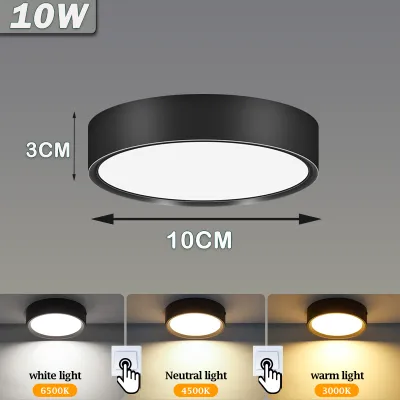
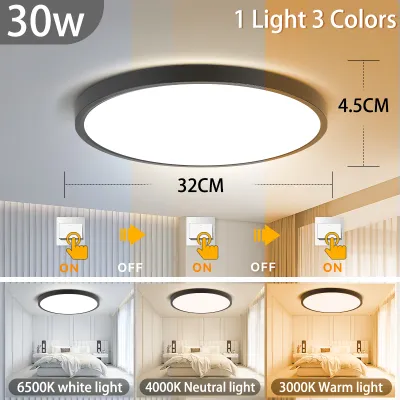
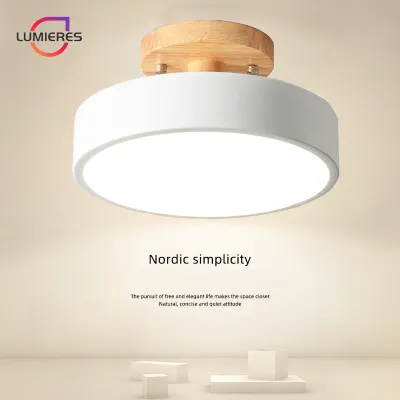
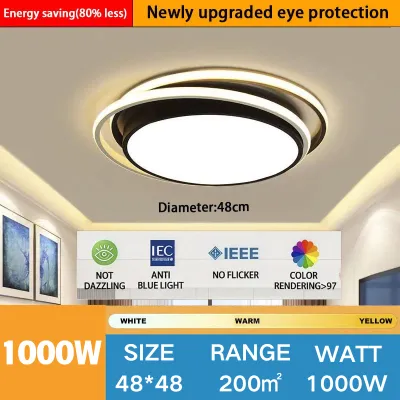
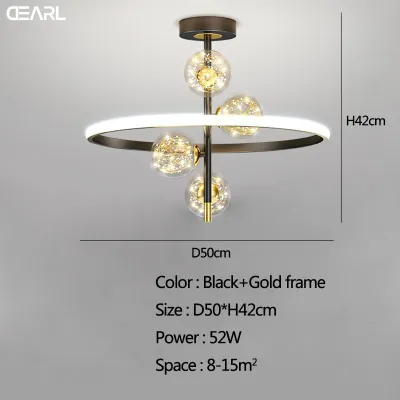
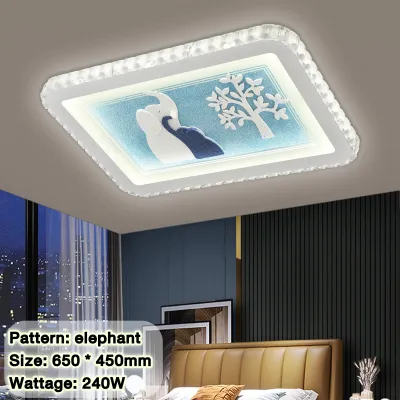
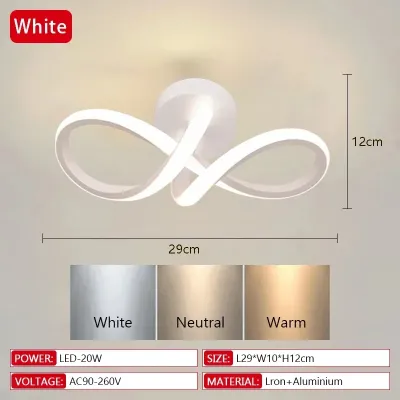
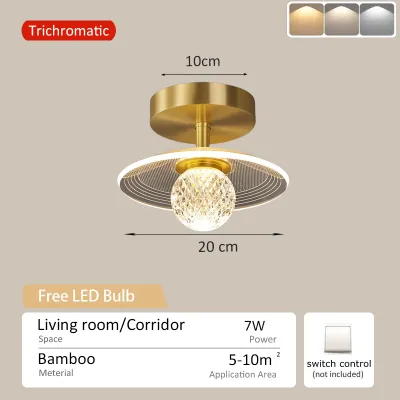
Prices are valid at publication and may change. Please refer to the product page for the latest price.
Neutral white light provides a balanced, natural appearance that closely resembles midday sun. It lacks the heavy yellow tones of warm light and the sharp blue tones of cool light. This clean, crisp output is ideal for general activities, reading, or vanity areas where accurate color representation is helpful.
Cool white light delivers a bright, slightly bluish illumination that enhances visibility and focus. This high-contrast setting is best reserved for task-oriented spaces like kitchens, home offices, laundry areas, or utility rooms where precision and clarity are essential.
Because different brands define these modes with slightly different Kelvin ratings—such as 3000K for warm, 4000K for neutral, and 6000K or 6500K for cool—always verify the exact specifications printed on the product packaging before purchasing.
How the Switching Mechanism Works
The primary appeal of a tri-color LED ceiling light is how easily you can change the ambiance without installing complex wiring. The most common control method relies on standard wall-switch toggling. When you turn the light switch off and immediately back on within a few seconds, the internal driver of the fixture detects the rapid interruption of power and cycles to the next color temperature in the sequence.

For example, a typical cycle might start at cool white, switch to warm white on the second toggle, and move to neutral white on the third. If you leave the light off for a longer duration, the system resets or retains a specific setting depending on its design.
Beyond basic wall switches, some modern ceiling light led tri color fixtures come equipped with dedicated remote controls or wireless smart app integrations. These alternative methods allow you to select your preferred color temperature directly with the press of a button, bypassing the need to cycle through other modes sequentially.
A crucial feature to look for when evaluating these fixtures is the memory function. This built-in chip allows the light to remember your last selected color temperature even after it has been turned off for several hours. Because memory behavior varies significantly between entry-level and premium models, always check the product manual to understand how your specific fixture retains its settings.
Checking Compatibility and Installation Requirements
Before purchasing or installing a new LED panel or recessed tri-color fixture, you must verify several electrical and structural requirements to ensure safe and reliable operation. First, check the fixture’s voltage rating on its specification label. In the Philippines, the standard residential electrical supply is 220V to 240V at 60Hz. Installing a fixture rated only for 110V will cause immediate damage and pose a safety hazard.
Next, evaluate your existing wall switches. Standard tri-color LED fixtures are designed to work with simple on/off toggle switches. They are generally incompatible with traditional wall dimmer switches. Attempting to use a tri-color light on a dimming circuit often disrupts the internal driver, leading to rapid flickering, buzzing, or premature failure of the LEDs. If you require both dimming and color-changing capabilities, you must select a fixture explicitly certified as dimmable and pair it with a compatible dimmer model recommended by the manufacturer.
Because installing these fixtures involves working with fixed electrical wiring, safety must be your top priority. Always isolate the power at the main circuit breaker before attempting any installation or maintenance. If your project involves working at heights, mounting heavy suspended panels, or installing fixtures in damp, high-humidity environments like bathrooms or outdoor patios, consult the manufacturer’s installation instructions and hire a qualified professional electrician to complete the work safely.
Deciding If a Tri-Color Fixture Suits Your Needs
Choosing between a tri-color LED ceiling light, a single-color fixture, or a fully tunable smart light depends on how you use your space and your budget. Tri-color lights offer a practical middle ground. They provide more flexibility than single-color fixtures without the higher cost and setup complexity associated with fully customizable smart lighting systems that require stable Wi-Fi connections.
These fixtures are highly beneficial in multi-purpose spaces. For instance, a living room that serves as a home office during the day and a cozy family space at night benefits immensely from switching from cool or neutral white to warm white. Conversely, for dedicated areas with a single, unchanging purpose—such as hallways, walk-in closets, or storage rooms—a simpler, less expensive single-color LED fixture is usually more than sufficient.
Finally, do not overlook the physical dimensions and mounting requirements of the fixture. Whether you are choosing an ultra-thin recessed panel or a surface-mounted modern ceiling light led tri color, ensure you measure your ceiling cavity depth, cutout dimensions, and overall clearance. Proper physical fit and adequate ventilation around the driver are essential to prevent heat buildup and ensure the longevity of your lighting investment.
Frequently Asked Questions (FAQ)
Can I use a standard dimmer switch with a tri-color LED ceiling light?
Generally, no. Standard tri-color LED ceiling lights rely on rapid power interruptions from a standard on/off switch to cycle through their color modes. Connecting them to a traditional wall dimmer switch can interfere with the internal driver, causing the light to flicker, hum, or fail to change colors properly. If you want to dim your lights, look for a specialized fixture that explicitly states it is dimmable and check the manufacturer’s list of compatible dimmer switches.
What happens to the color setting if the power goes out?
When a total power outage occurs, the behavior of your tri-color light depends entirely on its internal driver design. Many basic fixtures will reset to their default factory setting—often cool white or neutral white—once the power is restored. However, fixtures equipped with an advanced memory chip or those controlled via a dedicated remote control or smart app are more likely to retain your last used color setting once the electricity comes back on. Check your product manual to verify how your specific model handles power interruptions.

Community discussion
Share your experience or ask a question. Comments are reviewed before publication.