
When decorating your home for the holidays in the Philippines, finding the right solar xmas lights waterproof rating is essential to ensure your festive display survives the unpredictable tropical elements. The local climate presents unique challenges, from sudden afternoon downpours to intense typhoon winds and relentless humidity.
For general outdoor setups, an IP65 rating is the minimum standard you should look for. This level of protection ensures your lights can withstand heavy rainfall and wind-driven water from any direction without short-circuiting. If you plan to install lights along garden pathways, wrap them around low-lying tree trunks, or place them in areas prone to temporary water pooling, upgrading to an IP67 rating is the safest choice.
Conversely, lower ratings like IP44 are not built to survive direct, prolonged exposure to heavy tropical storms. These lights are best reserved for fully covered verandas, patios, or indoor spaces. To protect your investment, always check for a certified Ingress Protection (IP) number on the product packaging rather than relying on generic “waterproof” or “weather-resistant” marketing labels.
Products mentioned in this guide
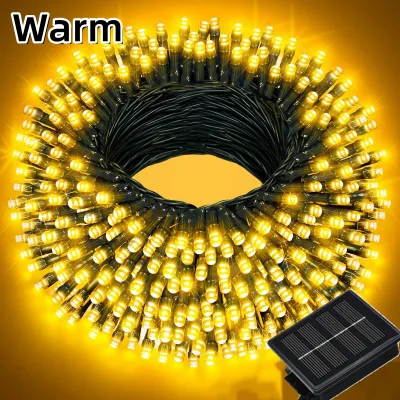
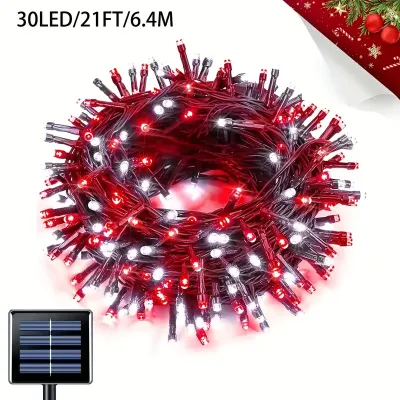
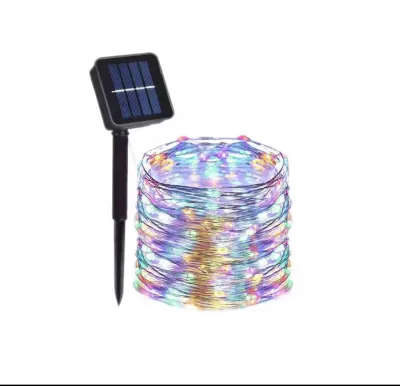
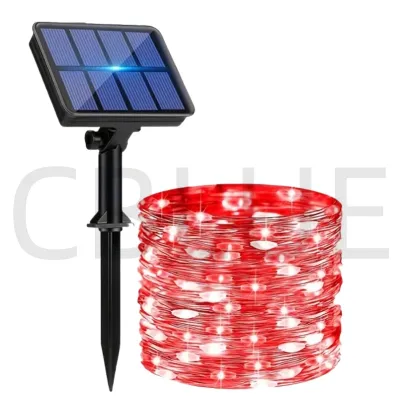
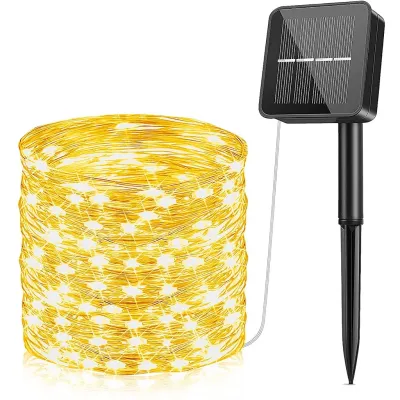
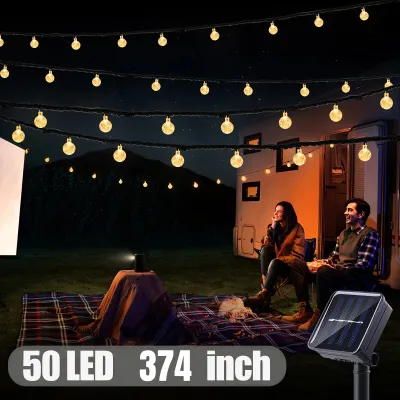
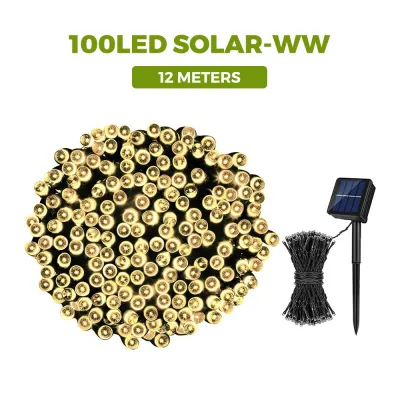
Prices are valid at publication and may change. Please refer to the product page for the latest price.
Decoding IP Ratings for Solar Xmas Lights Waterproof Performance
Shopping for holiday decorations on online marketplaces can be confusing when every product claims to be weather-resistant. Understanding how to read official Ingress Protection (IP) ratings allows you to look past marketing buzzwords and evaluate the true durability of your lighting setup.
What the Numbers Mean
An IP rating consists of two digits that define the level of protection a device has against solids and liquids. The first digit, which ranges from 0 to 6, measures protection against solid objects like dust, dirt, and accidental contact. For outdoor holiday lights, this first digit is almost always a 6, which indicates the housing is completely dust-tight and sealed against airborne particles.
The second digit, ranging from 0 to 9K, is the most critical factor for outdoor holiday displays because it measures water resistance. For holiday string lights, you will typically see second digits of 4, 5, or 7. Understanding this second number is the key to preventing premature product failure, electrical shorts, and rusted battery compartments during the wet season.
Common Ratings Explained
You will generally encounter three main IP ratings when browsing solar string lights:
- IP44: This rating indicates the lights are protected against solid objects larger than 1 millimeter and splashes of water from any direction. While they can handle light mist or occasional splashes, they are highly vulnerable to heavy, sustained downpours. They should only be used in sheltered outdoor environments, such as covered balconies or carports.
- IP65: This standard means the product is completely dust-tight and protected against low-pressure water jets from any angle. IP65 is the industry benchmark for standard outdoor use, allowing the lights to hang safely on exposed trees, fences, and gutters through typical rain showers.
- IP67: This rating offers a much higher level of protection, certifying that the lights are dust-tight and can withstand temporary immersion in water up to 1 meter deep for up to 30 minutes. This is the premium choice for ground-level installations, garden borders, or low-hanging displays where puddles are likely to form.
Always verify that the manufacturer provides a specific IP rating in their technical specifications. If a seller only advertises their products as “waterproof” without providing a clear IP rating, it is best to look for alternative options that offer certified performance.
Matching IP Ratings to Philippine Weather Conditions
The geographic location of the Philippines subjects outdoor holiday decor to some of the most demanding environmental conditions in the world. Matching your lights’ IP rating to these specific climate realities is the best way to ensure your display lasts throughout the long Christmas season, which traditionally begins as early as September.

Surviving the Monsoon and Typhoon Season
The latter half of the year in the Philippines coincides with the peak of the southwest monsoon (habagat) and the tropical typhoon season. During these months, rain rarely falls straight down; instead, strong winds drive water horizontally, forcing moisture into the tiniest crevices of outdoor electronics.
An IP65 rating is highly effective at resisting this wind-driven rain because it is specifically tested against pressurized water jets. This makes IP65 string lights ideal for elevated installations, such as wrapping around rooflines, hanging from high gutters, or draping across open pergolas.
For ground-level applications, however, the risk shifts from driving rain to standing water. Poor drainage in garden beds, lawns, or paved driveways can lead to rapid pooling during a sudden downpour. In these specific scenarios, IP67 lights are highly recommended. Because they can handle temporary submersion, they will not fail even if they are temporarily buried under a shallow puddle of water before the ground drains.
Coping with High Humidity and Heat
While heavy rain is the most obvious threat, high humidity and extreme heat pose silent, long-term risks to outdoor electronics. The average relative humidity in the Philippines remains high throughout the year, often hovering between 70% and 90%.
This constant moisture in the air can slowly seep into poorly sealed light housings through a process called capillary action. Once inside, the humidity condenses into water droplets as temperatures cool at night, leading to corroded circuit boards, ruined batteries, and shorted LED connections. High-quality IP65 and IP67 enclosures use tight, compressed gaskets to keep this airborne moisture out.
Furthermore, the intense tropical sun can degrade the physical materials of your lights during the day. Cheap rubber seals and thin plastic casings can dry out, become brittle, and crack under prolonged UV exposure. Once the outer casing cracks, its waterproof rating becomes completely compromised. When shopping, look for products that specify the use of UV-resistant silicone gaskets and heavy-duty PVC wiring, as these materials retain their flexibility and sealing properties despite extreme heat.
Beyond the IP Rating: Other Weatherproofing Features to Check
While a certified IP rating is a reliable indicator of water resistance, the overall durability of a solar lighting system depends on several other structural components. Because solar lights operate as self-contained electrical systems, a failure in any single part—such as the solar panel or the battery box—will render the entire string useless.
First, examine the build quality of the solar panel itself. Many budget-friendly solar holiday lights (often priced under ₱300) use cheap epoxy resin to seal the solar cells. Over a few weeks of exposure to intense tropical sunlight, this epoxy can turn yellow, cloud over, and crack, drastically reducing the panel’s ability to convert sunlight into electricity. For better longevity, look for panels protected by tempered glass or high-grade laminated polycarbonate, which are much more resistant to UV degradation.
Second, inspect the battery compartment and control box. This component houses the rechargeable battery and the sensitive control circuitry, making it the most vulnerable part of the system. High-quality units feature a thick rubber or silicone gasket around the seam of the compartment and secure the lid with screws rather than simple plastic snaps. A screw-down lid ensures even pressure across the gasket, creating a much more reliable seal against heavy rain and high humidity.
Third, evaluate the wire thickness and insulation material. Cheap string lights often use incredibly thin wires with brittle plastic insulation that easily cracks when exposed to heat or wind movement. Opt for strings with thicker copper wires encased in flexible, weather-resistant PVC or rubber. These wires can withstand the physical stress of being wrapped around rough tree bark or swaying in strong winds during a tropical storm.
Finally, check for essential electrical specifications and certifications on the product packaging. Ensure the voltage and wattage limits match your system’s design, and look for recognized safety certifications such as CE, RoHS, or local quality clearance marks. Checking customer reviews on online marketplaces can also provide valuable insights into how these components perform in real-world tropical conditions over time.
Installation and Maintenance Tips for Longevity
Proper installation and routine maintenance are just as important as choosing the right IP rating when it comes to maximizing the lifespan of your solar holiday lights in a tropical climate. Taking a few simple, low-risk precautions during setup can prevent water damage and keep your display shining brightly.
When mounting the solar panel, choose a location that receives at least 6 to 8 hours of direct, unobstructed sunlight daily. Avoid placing the panel in low-lying spots where water can pool around its base. Always mount the panel at an angle—ideally between 15 and 30 degrees—so that rainwater can naturally run off the surface. This self-cleaning action helps wash away dust and debris while preventing water from sitting on the seals for extended periods.
To prevent water from traveling along the wires and entering the connection points, always implement “drip loops.” A drip loop is a simple, downward curve or loop in the wire created just before the cable enters the solar panel housing, battery box, or any electrical connection. Gravity forces rainwater running down the cable to collect at the lowest point of the loop and drip harmlessly onto the ground, rather than being guided directly into the entry joint of the device.
Regular maintenance is also essential for maintaining charging efficiency. Wipe the surface of the solar panel with a soft, damp microfiber cloth every few weeks to remove accumulated dust, pollen, and bird droppings. Never use abrasive scouring pads, harsh chemical solvents, or high-pressure washers, as these can scratch the protective cover or compromise the waterproof seals.
While high-quality IP65 and IP67 solar lights are designed to withstand outdoor conditions, leaving them installed year-round is not recommended. The continuous exposure to extreme tropical heat, UV radiation, and heavy off-season rains will eventually degrade the plastic casings and shorten the lifespan of the internal rechargeable battery. Once the holiday season is over, carefully take down the lights, clean them, allow them to dry completely in a shaded area, and store them indoors in a cool, dry place.
Safety Notice: Before installing, adjusting, or performing any maintenance on your outdoor lighting display, always ensure that the power is fully isolated. If your installation involves working at heights, such as hanging lights along high gutters or wrapping tall tree branches, always use a stable, secure ladder, work with a partner, and follow standard safety guidelines. For complex installations, integrations with fixed household wiring, or setups in highly exposed damp environments, consult a qualified professional electrician to ensure compliance with local electrical safety standards.
Frequently Asked Questions (FAQ)
Can I leave solar Christmas lights outside all year round?
Although high-quality IP65 and IP67 solar lights are engineered to survive outdoor weather, leaving them outside year-round in the Philippines is highly discouraged. The continuous cycle of intense tropical UV rays, high ambient humidity, and heavy off-season rain will accelerate the degradation of plastic casings, dry out waterproof gaskets, and significantly shorten the lifespan of the rechargeable battery. To get the most value out of your investment, it is best to take the lights down after the holiday season, clean them, and store them in a cool, dry indoor environment.
What should I do if water gets inside the solar panel or battery box?
If you notice condensation, fogging, or standing water inside the battery compartment or solar panel housing, immediately turn off the power switch to prevent short-circuiting. Carefully open the battery compartment according to the manufacturer’s care instructions, remove the rechargeable batteries if possible, and wipe away any visible moisture. Place the disassembled components in a shaded, warm, and well-ventilated indoor area to dry completely for at least 24 to 48 hours. Never use high-heat sources such as hair dryers, heat guns, or direct sunlight to speed up the drying process, as excessive heat can warp the plastic housing, damage the silicone seals, or compromise the battery. If you notice heavy rust or corrosion on the internal metal terminals after drying, replace the unit to ensure safe operation.

Community discussion
Share your experience or ask a question. Comments are reviewed before publication.