
A custom butterfly neon sign, or butterfly light, serves as an eye-catching focal point that instantly elevates the ambient lighting of any modern Philippine condominium. Whether you want to add a whimsical glow to a bedroom, create a vibrant backdrop for a living room, or establish a signature aesthetic for a home office, finding the right maker requires careful consideration. In the Philippines, buyers have two primary pathways: collaborating with local custom lighting studios or ordering through international e-commerce platforms. To make the best choice, you must evaluate design precision, electrical compatibility with local grids, and the reliability of after-sales support.
Choosing Between Local Studios and Online Platforms
When planning a custom butterfly light project, deciding where to source your sign is the first major decision. Local custom lighting shops in the Philippines offer distinct advantages, particularly regarding communication and technical alignment. Working with a local maker allows you to discuss intricate design details in real-time, often in the same time zone or even through a physical showroom visit. This direct line of communication is invaluable when trying to translate the delicate, symmetrical curves of a butterfly’s wings into a physical light fixture. Furthermore, local studios inherently design their products for the Philippine electrical grid, which operates at 220V and 60Hz, utilizing standard local plug types without requiring adapters.
Conversely, global online marketplaces and international e-commerce platforms present a different set of benefits and trade-offs. These platforms often provide a vast array of pre-designed templates, interactive online design tools, and lower base manufacturing costs due to economies of scale. However, ordering from overseas introduces logistical complexities. Shipping times are significantly longer, and the risk of transit damage increases as the package travels through multiple international sorting facilities.
Products mentioned in this guide
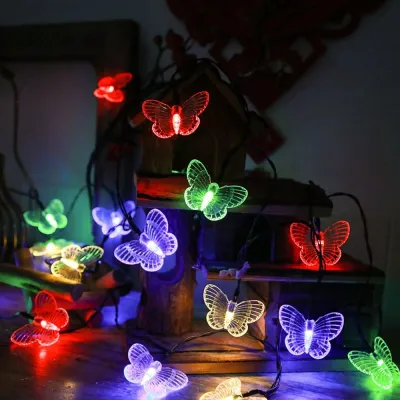
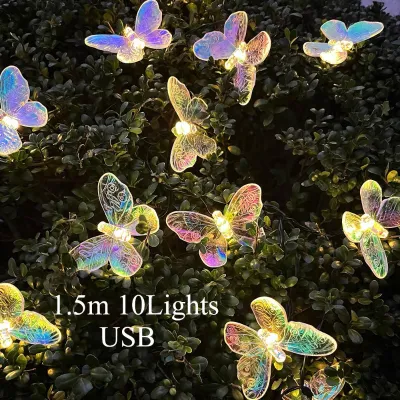
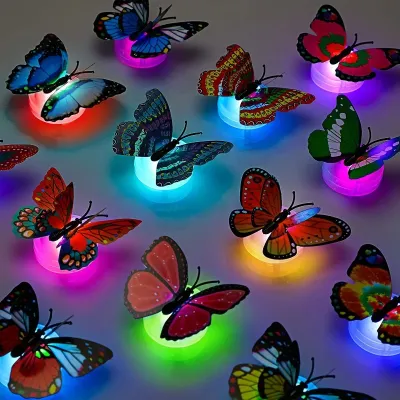
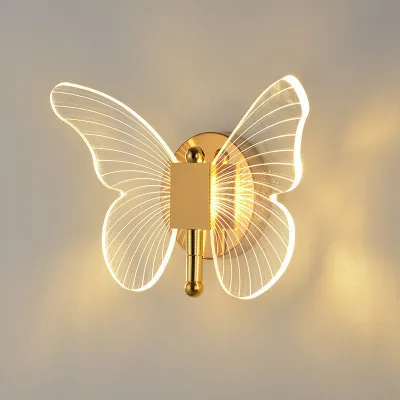
Prices are valid at publication and may change. Please refer to the product page for the latest price.
The most critical technical risk when ordering from international sellers is electrical mismatch. Many overseas manufacturers default to 110V configurations or supply plugs that are incompatible with Philippine wall outlets. Operating a 110V sign on a 220V system without a step-down transformer will permanently damage the electrical components and pose a severe fire hazard. Therefore, if you choose an international seller, you must explicitly verify that the power supply unit is rated for 220V/60Hz and comes with the correct plug configuration.
Warranty and return logistics also differ dramatically between these two options. If a custom sign arrives damaged or experiences a component failure, resolving the issue with a local Philippine studio is generally straightforward. They can quickly dispatch replacement parts or arrange for local courier returns. With international sellers, returning a defective custom item can be prohibitively expensive and time-consuming, often leaving the buyer with limited recourse if the sign fails shortly after arrival.
Key Factors to Evaluate When Selecting a Seller
To ensure your custom butterfly light is both beautiful and safe, you must understand the materials and processes used by different manufacturers. The first step is distinguishing between traditional glass neon and modern LED neon flex. Traditional glass neon utilizes gas-filled glass tubes powered by high-voltage transformers. While it offers a classic, nostalgic glow, glass neon is highly fragile, generates noticeable heat, and requires professional installation. For modern condo spaces, LED neon flex has become the industry standard. Made from flexible silicone or PVC tubing embedded with high-density LEDs, it is highly durable, energy-efficient, cool to the touch, and operates on low-voltage DC power, making it exceptionally safe for indoor residential use.

Pricing transparency is another vital factor when evaluating potential sellers. Custom butterfly designs are inherently complex, featuring intricate wing patterns, delicate antennae, and multiple color transitions. Some sellers advertise low starting prices but add substantial hidden fees for complex curves, multi-color setups, or specialized acrylic backboard cutting. Before committing to a purchase, request an itemized quote that covers the entire design, the specific number of LED colors, the backboard material, the power adapter, and shipping costs to your specific location in the Philippines.
A reliable seller should always provide a detailed digital mockup or production proof before manufacturing begins. This proof should clearly indicate the exact dimensions of the sign, the placement of the LED tubes, the color layout, and the shape of the acrylic backing. Reviewing this proof allows you to verify that the proportions of the butterfly wings are correct and that the design matches your vision. Never work with a seller who refuses to provide a mockup or demands full payment without a design confirmation step.
Additionally, inquire about the quality of the raw materials. High-quality LED neon flex uses UV-resistant silicone tubing that will not yellow or crack over time, especially in the warm, humid tropical climate of the Philippines. The backing should be made of high-grade, optical-quality acrylic that resists scratching and maintains its clarity. Asking sellers about these material specifications helps filter out low-quality operations that use cheap materials prone to rapid degradation.
Tailoring the Butterfly Design for Condo Ambient Lighting
Integrating a custom butterfly light into a condominium requires careful spatial planning. Because condo units often have compact layouts, the scale of the sign must be proportional to the wall space it occupies. A sign that is too large can overwhelm a room, casting an intense, distracting glare, while a sign that is too small will lose its visual impact. Measure your intended wall space carefully and use painter’s tape to outline the proposed dimensions of the sign. This physical outline helps you visualize the scale and ensure there is adequate breathing room around the butterfly design.
Color selection is equally critical for establishing the right ambient mood. If your condo features a warm, cozy interior theme with wooden accents and warm white lighting, a butterfly sign utilizing warm white, soft pink, or amber LEDs will complement the space beautifully. For a more modern, minimalist, or industrial aesthetic, vibrant hues like cool blue, purple, or magenta can create a striking contrast. Some advanced custom signs offer RGB color-changing capabilities, allowing you to adjust the color of the butterfly wings via a remote control or smartphone app to suit different times of day or occasions.
The acrylic backboard plays a major role in the sign’s final appearance and installation method. You can typically choose between three backboard styles: contour cut, rectangular, or cut-to-letter. A contour-cut backboard follows the outline of the butterfly wings, providing a clean, modern look that minimizes the visible acrylic. A rectangular backboard is easier to mount but is more visually prominent. For rental condos where drilling holes into concrete walls is often restricted, a lightweight contour-cut sign is highly advantageous, as it can sometimes be mounted securely using heavy-duty, damage-free adhesive strips, provided the wall surface is smooth and properly prepared.
If you own the unit or are permitted to drill, wall-mounting screws with metal standoffs offer the most secure and professional-looking installation. Standoffs hold the sign slightly away from the wall, creating a beautiful floating effect and allowing the light to cast a soft halo behind the acrylic backing. Alternatively, hanging chains can be used if you wish to suspend the butterfly sign from a ceiling hook or a curtain rod, which is an excellent option for window displays.
Safety, Installation, and After-Sales Verification
Electrical safety must be your top priority when installing any custom lighting fixture in your home. Because the Philippines experiences high humidity and occasional power fluctuations, your butterfly light must be powered by a high-quality, certified power adapter. Ensure the adapter carries recognized safety certifications and features built-in protection against short circuits, over-voltage, and overheating. The adapter’s job is to safely step down the 220V mains electricity to the low voltage required by the LED neon flex, so compromising on this component is a significant safety risk.
When installing the sign, take precautions to avoid damaging your condo’s infrastructure. Before drilling into any wall, use a stud finder with a wire-detection feature to ensure you are not drilling into concealed electrical conduits or water pipes, which are common in concrete condo walls. Always use the correct wall anchors and drill bits designed for your specific wall type—whether concrete, hollow block, or drywall. If you are uncomfortable performing the installation yourself, hiring a local handyman or a qualified electrician is a small investment that ensures the sign is mounted safely and securely.
Finally, establish clear terms regarding after-sales support before finalizing your order. A reputable seller should offer a comprehensive warranty that covers LED failure, transformer malfunctions, and shipping damage. Clarify the duration of the warranty and the exact process for making a claim. For instance, find out if you are responsible for paying the shipping fees to send a defective sign back to the manufacturer, or if the seller covers all logistics costs. Having these terms documented in writing protects your investment and ensures peace of mind as you enjoy your custom butterfly light.
Frequently Asked Questions (FAQ)
How do I clean and maintain an LED neon flex sign?
To keep your custom butterfly light looking vibrant, regular, gentle cleaning is essential. Always begin by unplugging the sign from the wall outlet and allowing the LEDs and power adapter to cool down completely. Use a clean, dry, or very slightly damp microfiber cloth to gently wipe away dust from the silicone LED tubing and the acrylic backboard. Avoid using harsh chemical cleaners, alcohol-based solvents, or abrasive scrubbing pads, as these can permanently scratch or cloud the acrylic backing and degrade the silicone material. If a damp cloth is used, ensure the sign is completely dry before plugging it back in.
Can I use a dimmer switch with a custom butterfly neon sign?
Standard wall dimmer switches designed for household lighting are not compatible with the low-voltage DC transformers used by LED neon signs and can cause flickering or permanent electrical damage. If you want adjustable brightness for your butterfly light, you must use a compatible inline dimmer controller. Many custom manufacturers offer these as an optional add-on, which can be operated via a physical inline switch, a wireless remote control, or a smart home integration. Always verify compatibility with your seller before attempting to connect any external dimming device to your sign’s power supply.

Community discussion
Share your experience or ask a question. Comments are reviewed before publication.