
Placing a mini parol with lights in your home requires matching the physical dimensions of your room with the mounting style of the ornament. For compact spaces like studio apartments or small bedrooms, tabletop and windowsill displays keep your living areas uncluttered. Larger rooms with high ceilings or open entryways are better suited for suspended hanging styles that draw the eye upward. The key to a successful display is balancing the visual scale of the lantern with safe access to a power outlet and secure physical support.
Before choosing a spot, you must evaluate how the parol interacts with your daily movement and the room’s layout. A poorly placed lantern can block natural light, obstruct walkways, or create electrical hazards. By taking a few precise measurements and assessing your room’s structural features, you can create a festive, warm atmosphere that feels integrated into your home rather than squeezed in.
Assessing Your Room Size and Available Space
To find the ideal spot for your mini parol, start by measuring the physical limits of your target areas. Use a tape measure to find the exact width and depth of flat surfaces such as shelves, console tables, or windowsills. A mini parol should have at least a few inches of clearance on all sides so it does not look crowded or risk being knocked over during daily activities.
Products mentioned in this guide
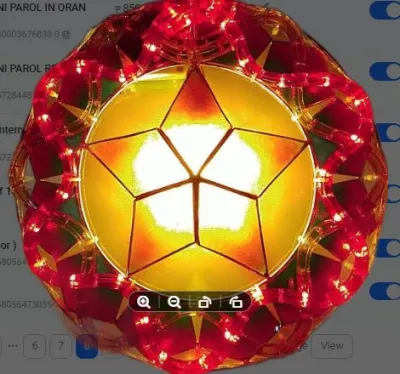
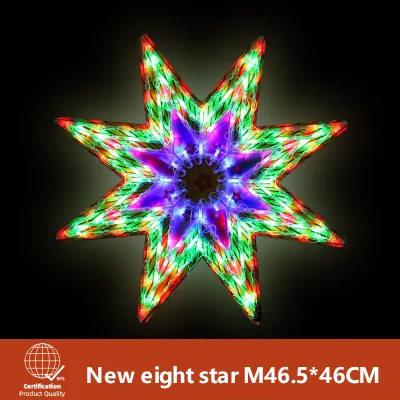
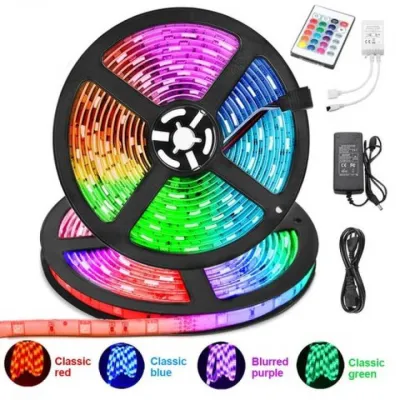

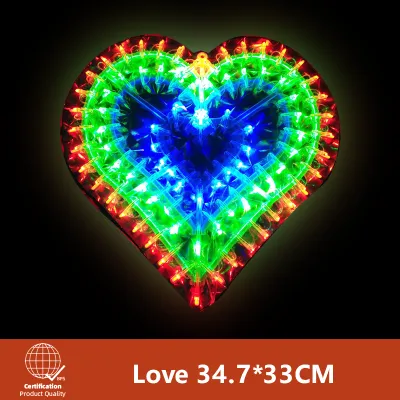
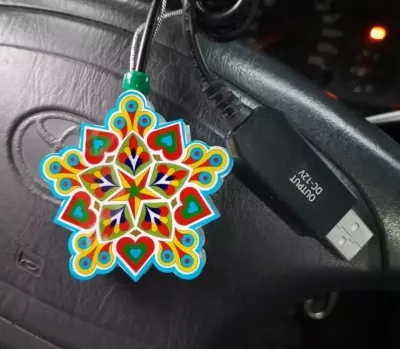
Prices are valid at publication and may change. Please refer to the product page for the latest price.
Ceiling height and overhead clearance are equally critical if you plan to hang your decoration. Measure the distance from the floor to the ceiling to ensure that any suspended parol remains well above head height. If you are hanging the lantern in a high-traffic entryway or hallway, maintain a clear clearance path to prevent tall family members or guests from bumping into it. Additionally, inspect the ceiling or door frame to identify load-bearing points, such as wooden beams or sturdy trim, that can safely support the weight of the ornament over several weeks.
Electrical access is the final physical constraint to verify. Locate your nearest wall outlets and measure the distance from the outlet to your desired placement spot. The power cord of your mini parol must reach the outlet easily without being stretched tight or suspended in mid-air across a walkway. If the cord is too short, you will need to adjust the placement closer to the outlet or use a properly rated, single-outlet extension cord secured safely along the baseboard.
In tropical environments, you must also consider air circulation and humidity. Placing a lighted ornament directly in front of an open window can expose the electrical components to sudden rain showers or high humidity. Ensure your chosen location is shielded from direct moisture and excessive wind, which can cause hanging parols to swing violently and damage their delicate frames.
Matching Mini Parol Styles to Specific Placement Locations
Different mini parol designs are engineered for specific display methods. Selecting the right style for your chosen location ensures the lantern remains stable, visible, and safe throughout the holiday season.

Tabletop and Shelf Displays
Tabletop and shelf displays are excellent for adding warmth to cozy corners, study desks, or bedside tables. When decorating these compact surfaces, look specifically for mini parols designed with integrated, stable bases or built-in wire stands. These stands keep the vertical frame upright and prevent the lantern from tipping over if the table is accidentally bumped.
The footprint of the parol base must be small enough to leave ample room for your daily essentials, such as books, phones, or work documents. Avoid crowding the surface, as a cluttered desk increases the risk of knocking the parol onto the floor. Additionally, check that the bottom of the stand features non-slip rubber pads or soft felt lining. This padding protects your wooden or glass furniture from scratches and prevents the lantern from sliding on smooth surfaces.
Windowsill and Wall-Mounted Options
Windowsills and walls offer highly visible display areas that do not consume valuable floor or table space. To place a mini parol on a windowsill, measure the exact depth of the sill to ensure the lantern’s frame does not press against the glass or protrude into the room. The setup should never interfere with the opening, closing, or locking mechanisms of your windows.
For wall mounting or glass attachment, use reliable, temporary mounting hardware such as heavy-duty suction cups or damage-free adhesive hooks. Always read the manufacturer’s instructions for these mounting products to verify their weight capacity and surface compatibility. Clean the wall or glass surface thoroughly with rubbing alcohol before applying the adhesive to ensure a strong bond that can withstand warm, humid indoor climates.
When mounting a parol in a window, consider how it looks from both the inside and the outside. If your primary goal is to share the festive glow with neighbors and passersby, ensure the front-facing, detailed side of the parol faces the street. Adjust the height so the center of the lantern aligns with the middle of the window pane for the most balanced visual appeal from the exterior.
Hanging and Suspended Displays
Suspended displays create a dramatic focal point in rooms with high ceilings, open stairwells, or covered entryways. Before hanging a mini parol, you must confirm the weight capacity of your ceiling hooks or existing light fixtures. Never hang a parol from active electrical cords, thin decorative molding, or loose ceiling tiles that are not designed to bear weight.
Maintain adequate headroom beneath the suspended lantern to prevent accidental contact. In standard rooms, the bottom of the parol should hang high enough that it remains completely out of reach of normal foot traffic. If you are hanging the parol in a corner or over a permanent piece of furniture, such as a dining table or sideboard, you can hang it slightly lower since no one will walk directly beneath it.
Routing the power cord safely is the main challenge of a suspended display. Run the cord neatly along the ceiling and down the corner of the wall, securing it with insulated cable clips or adhesive cord organizers. Never let the cord hang loosely in mid-air, as this creates an immediate tripping hazard and puts tension on the ceiling connection, which could pull the parol down.
Electrical Safety and Installation Checks
Operating any decorative lighting safely requires strict adherence to electrical standards. Before plugging in your mini parol, read the product label to verify its voltage requirements and power limits. In the Philippines, the standard household voltage is 220V at 60Hz. Ensure your parol is rated for this voltage or use an appropriate, certified transformer if you are using an imported low-voltage model.
Never route power cords under rugs, carpets, or heavy furniture. Walking over hidden cords damages the protective insulation over time, creating a severe fire hazard. Similarly, avoid running cords through door hinges, window frames, or tight gaps where they can be pinched, crimped, or cut by moving parts. Keep all electrical connections dry and elevated off the floor, especially in areas prone to spills or dampness.
If your installation plan requires drilling into concrete walls, mounting heavy fixtures to the ceiling, or modifying your home’s existing electrical wiring, stop and consult a qualified professional. Attempting to wire a decorative light directly into a junction box without proper training can result in electrical shocks, short circuits, or damage to your home’s electrical system. Always isolate the power by switching off the circuit breaker or unplugging the main cord before making any adjustments to your display.
Common Sizing and Placement Mistakes to Avoid
One of the most frequent mistakes is ignoring the length of the parol’s power cord and relying on multiple daisy-chained extension cords. Connecting several extension cords or overloading a single multi-outlet adapter can cause overheating and poses a significant fire risk. Always position your parol close enough to a wall outlet so that you only need a single, heavy-duty, certified extension cord if the built-in cord cannot reach.
Another common error is choosing a parol that is disproportionately large for a small room. A massive, brightly lit lantern in a tiny bedroom or study can overwhelm the space, causing visual fatigue and making the room feel cramped. For smaller rooms, opt for delicate, low-wattage mini parols that provide a soft, ambient glow rather than intense, distracting illumination.
Finally, never place non-waterproof certified parols in damp or semi-outdoor areas. Many mini parols are designed strictly for indoor use and lack the weather-resistant seals needed to withstand moisture. Placing an indoor-rated parol on an open porch, near a frequently opened window during the rainy season, or in a bathroom can lead to short circuits and electrical failures. Always check the product’s ingress protection rating or manufacturer guidelines before exposing it to outdoor elements.
Frequently Asked Questions (FAQ)
Can I leave my mini parol with lights on overnight?
It is generally not recommended to leave decorative lights running unattended overnight. Always review the manufacturer’s instructions regarding the maximum continuous operating hours for your specific mini parol. To minimize fire risks and conserve energy, plug your parol into a certified smart plug or an automatic outlet timer set to turn the lights off when you go to sleep.
How do I clean a mini parol without damaging the lights?
Always unplug the mini parol from the wall outlet and ensure the bulbs are completely cool before you begin cleaning. Use a dry or slightly damp, soft microfiber cloth to gently wipe dust and debris from the frame and the outer surfaces of the bulbs. Never spray water, liquid glass cleaners, or harsh chemical solvents directly onto the electrical connections, wiring, or light sockets, as moisture can seep inside and cause a short circuit when the unit is plugged back in.

Community discussion
Share your experience or ask a question. Comments are reviewed before publication.