
Choosing the right garden light is not about finding a single, universal fixture to illuminate your entire yard. Instead, a successful outdoor lighting scheme relies on matching specific light types to the distinct functional zones of your landscape. By identifying high-traffic walkways, architectural focal points, and cozy seating areas, you can select fixtures that serve precise purposes—whether that means ensuring safe navigation, highlighting a beautiful tree, or establishing a warm, relaxing ambiance for evening gatherings.
Before purchasing any fixtures, take a walk through your yard at dusk to map out these zones. Note where family members and guests naturally walk, where dark corners present tripping hazards, and where your favorite plants or structural features are located. You will also need to evaluate your existing power sources. While solar-powered fixtures offer quick, wire-free installation for sunny spots, low-voltage hardwired systems provide consistent, reliable illumination for shaded areas or high-security zones, especially during the rainy season when sunlight is limited.
Lighting Walkways and Pathways for Safety and Guidance
Navigating your yard safely after dark requires clear, consistent illumination along every walking route. For flat pathways and main garden walkways, path lights and bollard lights are excellent choices. These fixtures stand slightly above the ground and cast light downward, defining the boundaries of the path without shining directly into your eyes. Bollard lights, which are typically sturdier and taller, work exceptionally well along wider driveways or main entry paths, while smaller path lights blend seamlessly into flanking flower borders.
Products mentioned in this guide
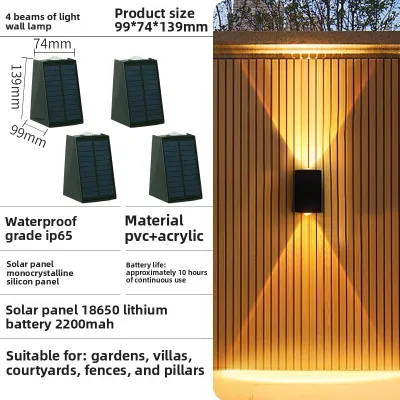
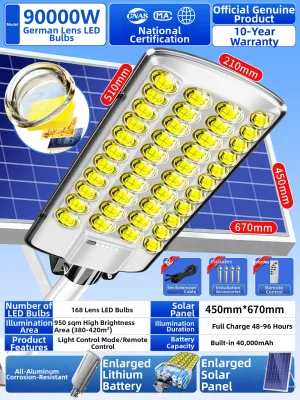
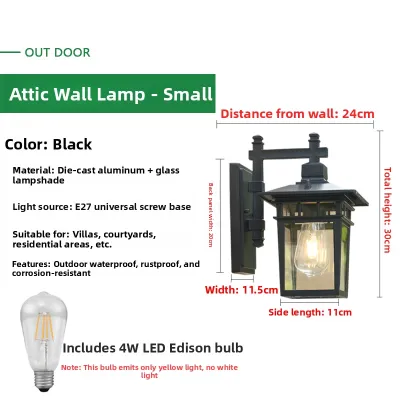
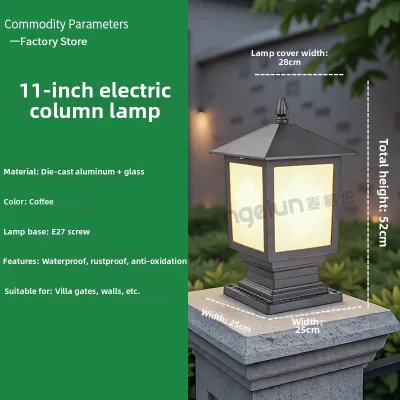
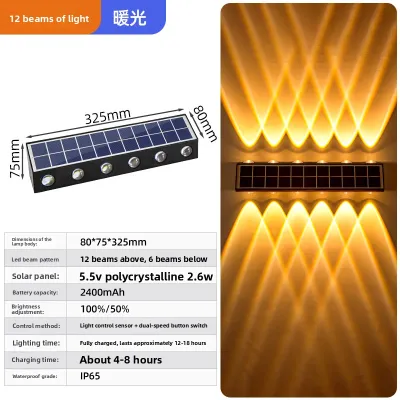
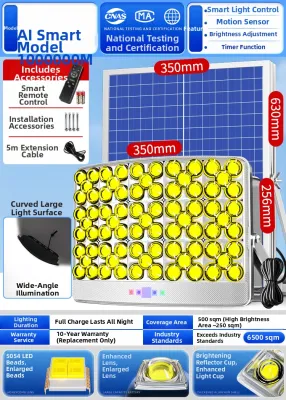
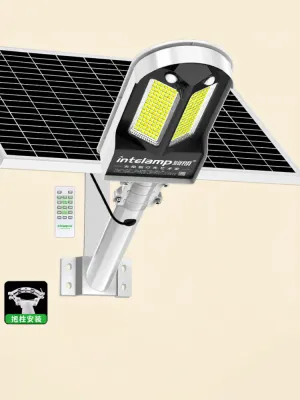
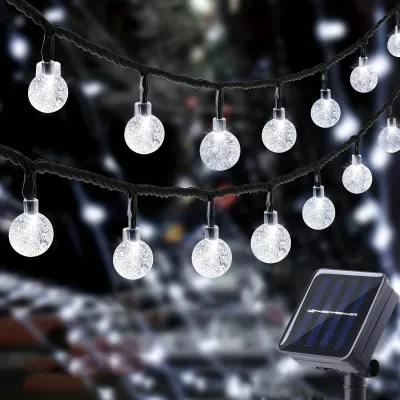
Prices are valid at publication and may change. Please refer to the product page for the latest price.
When your walkway transitions to stairs, retaining walls, or elevated decks, safety demands a different approach. Step lights and recessed wall fixtures are designed specifically to highlight elevation changes. Mounting these fixtures directly into stair risers or along adjacent retaining walls ensures that each step is clearly visible, significantly reducing the risk of slips and falls. This targeted lighting keeps the focus on the ground where it is needed most, rather than scattering light into the surrounding darkness.
To maintain a comfortable environment for pedestrians, pay close attention to the beam angle and fixture height of your pathway lights. Fixtures with unshielded bulbs can cause uncomfortable glare, temporarily blinding people as they walk. Look for designs where the light source is hidden or directed downward by a solid top cap. Additionally, check the product packaging for dark-sky friendly features or shielded designs to minimize light pollution and keep your outdoor lighting polite and non-disruptive to your neighbors.
Highlighting Flower Beds, Trees, and Focal Points
Beyond safety, outdoor lighting allows you to showcase the natural beauty and architectural features of your landscape. Spotlights and directional floodlights are the primary tools for creating dramatic visual depth. By placing a spotlight at the base of a mature tree or a textured stone wall and aiming it upward—a technique known as uplighting—you can emphasize interesting bark textures, branch structures, and architectural details that disappear in the dark.

For planting beds, low-lying shrubbery, and delicate ground covers, well lights offer a more discreet solution. These fixtures are recessed directly into the ground or turf, making them virtually invisible during the day. At night, they cast a soft, upward glow that illuminates foliage from within, creating a magical, floating effect without cluttering your garden beds with visible hardware.
Achieving the perfect balance with directional lighting requires adjusting the beam spread and placement distance based on the size and density of your target. A narrow beam spotlight is ideal for tall, slender features like palm trees or columns, as it focuses the light in a tight column. Conversely, a wide floodlight is better suited for broad tree canopies or expansive garden walls, spreading the light evenly across a larger surface area.
When designing your accent lighting, resist the temptation to illuminate every single plant. Over-lighting can flatten your landscape, making it look harsh and artificial. Instead, leave intentional areas of shadow between your highlighted focal points. This contrast between light and dark adds mystery, drama, and a sense of natural depth to your yard, making the space feel larger and more dynamic.
Setting the Mood in Seating and Entertainment Areas
Outdoor living spaces, such as patios, decks, and dining areas, require soft, inviting illumination that encourages relaxation and conversation. String lights and festoon lights are highly effective for creating an overhead canopy. Hanging these lights above a dining table or seating group defines the “ceiling” of your outdoor room, instantly making the space feel cozy and festive. Their gentle, diffused glow provides enough light for dining and socializing without overpowering the environment.
For the perimeter of your deck or patio, consider integrating deck lights, post cap lights, or railing lights. These compact, low-profile fixtures mount directly to posts, steps, and railings, providing subtle illumination that outlines the edges of your entertainment zone. This not only enhances safety by marking boundaries but also creates a warm frame around your seating area, making it feel secure and defined.
If you prefer a flexible setup that does not require permanent wiring, lanterns and portable rechargeable table lamps are excellent alternatives. These versatile fixtures can be placed exactly where you need them—on dining tables, side tables, or even on the ground next to lounge chairs. Many modern rechargeable lamps offer adjustable brightness levels, allowing you to transition from a bright setting for outdoor dining to a soft, candle-like flicker for late-night conversations.
Regardless of the fixtures you choose, always check the color temperature, measured in Kelvin (K), on the product packaging. For seating and relaxation areas, look for warm white light, typically between 2200K and 2700K. This range mimics the warm, comforting glow of candlelight or traditional incandescent bulbs. Avoid cool white lights above 4000K in these zones, as they can create a harsh, clinical atmosphere that feels cold and uninviting.
Crucial Safety, Weatherproofing, and Installation Checks
Outdoor lighting must withstand harsh environmental conditions, especially in tropical climates prone to heavy downpours and high humidity. Before purchasing any garden light, check the manufacturer’s Ingress Protection (IP) rating on the product label. For fixtures exposed directly to rain and soil moisture, look for an IP rating of at least IP65, which indicates the light is dust-tight and protected against water jets. Damp-rated fixtures with lower IP ratings are suitable only for covered patios or under eaves where they are shielded from direct rainfall.
If you are planning a low-voltage landscape lighting system, you must verify the voltage compatibility and system requirements. These systems typically run on 12V or 24V power, requiring a transformer to step down your home’s standard voltage. Carefully calculate the total wattage of all connected fixtures to ensure your transformer has sufficient capacity, and select the correct cable gauge to prevent voltage drop over long distances, which can cause lights at the end of the run to appear dim.
Safety should always be your top priority when working with outdoor electricity. Ensure that all exterior power sources are protected by a Ground Fault Circuit Interrupter (GFCI) outlet to prevent electrical shocks in wet conditions. Always use outdoor-rated, UV-resistant cables and waterproof, gel-filled wire connectors designed specifically for direct burial to protect your connections from moisture ingress.
While installing low-voltage solar lights or simple plug-and-play systems is a straightforward DIY project, complex installations require professional expertise. If your project involves high-voltage (120V or 240V) wiring, deep trenching through established landscapes, or connecting new circuits directly to your main electrical panel, stop and consult a qualified electrician. Working with high voltage in wet outdoor environments carries significant risks, and professional installation ensures your system complies with local electrical codes and safety standards.
Frequently Asked Questions (FAQ)
How far apart should I space my pathway lights?
There is no single distance that works for every yard, as the ideal spacing depends on the fixture’s beam angle, lumen output, and height. To achieve a continuous, gentle path of light without dark gaps or overlapping bright spots, you must check the manufacturer’s recommended spacing guidelines printed on the product packaging. A practical way to decide is to temporarily place your fixtures using stakes or solar units before digging trenches or running permanent wires, allowing you to observe the light pattern at night and adjust the spacing to your liking.
Can I mix solar and hardwired garden lights in the same yard?
Yes, you can successfully combine solar and hardwired fixtures in a single landscape, provided you coordinate their appearance. To maintain a cohesive visual flow, check the product labels and match the color temperature, aiming for a consistent warm white across all fixtures. Keep in mind that solar lights rely on direct sunlight to charge, so they are best placed in open, sunny areas of your yard, while hardwired fixtures should be reserved for shaded zones, covered patios, or areas where reliable, bright illumination is required all night long.
What should I do if my garden lights stop working after heavy rain?
If your lights fail after a heavy downpour, prioritize safety by turning off the main power supply or unplugging the transformer immediately before touching any components. Once the power is safely isolated, inspect the fixtures for visible signs of water ingress, damaged silicone seals, or corroded wire connections at the base. If you find water inside a fixture or if your GFCI outlet continues to trip after the system has dried out, consult the manufacturer’s warranty guidelines or contact a licensed professional to diagnose and repair the electrical fault safely.

Community discussion
Share your experience or ask a question. Comments are reviewed before publication.