
Choosing the right Gengyan solar light model for your outdoor space is not about finding a single, universally superior fixture. Instead, the ideal choice depends entirely on matching the specific physical layout and functional requirements of your property—whether you are illuminating a narrow pathway, highlighting garden foliage, or securing a wide yard. By evaluating key technical specifications such as lumen output, Ingress Protection (IP) ratings, battery capacities, and mounting configurations, you can select a model that delivers reliable performance under local environmental conditions.
Understanding Your Outdoor Lighting Needs
Before browsing through the available Gengyan solar light catalog, it is essential to analyze the primary lighting objectives for each distinct zone around your home. Different areas serve different purposes, and a fixture designed for decorative accentuation will rarely suffice for security or navigation.
Pathway lighting focuses primarily on safe navigation and clear boundary marking. For these areas, the goal is to guide foot traffic and vehicles along driveways or walkways without casting harsh shadows or creating blinding glare. The light should point downward to illuminate the ground directly beneath the user’s feet.
Products mentioned in this guide
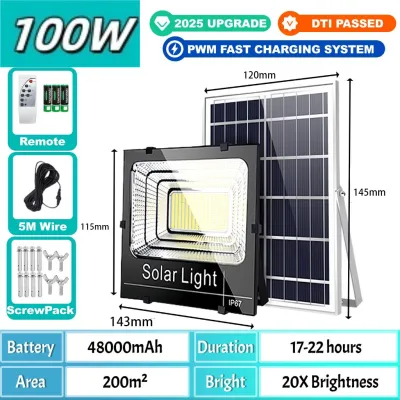
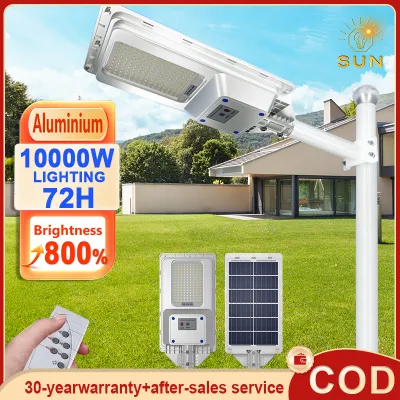
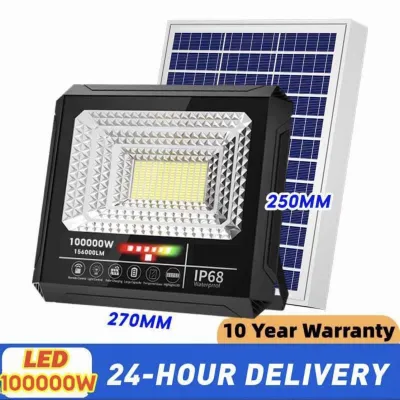
Prices are valid at publication and may change. Please refer to the product page for the latest price.
Garden lighting, on the other hand, prioritizes ambiance, highlighting specific plants, and enhancing overall aesthetic appeal. Here, the objective is to create visual depth and interest rather than uniform brightness. This zone benefits from adjustable fixtures that can target specific landscape features.
Yard lighting demands broad visibility, security, and functional illumination. Whether you are hosting an evening gathering or securing the perimeter of your property, yard fixtures must cover expansive open spaces. This requires high-intensity output and wide coverage areas to deter intruders and ensure clear sightlines.
Key Specifications to Check on Gengyan Solar Lights
To ensure your selected Gengyan solar light performs as expected, you must verify the technical specifications listed on the product packaging or user manual. Relying on generic category names is rarely sufficient to guarantee compatibility or safety.

When checking brightness and beam angle, look at the lumen output and light distribution patterns specified by the manufacturer. Lumens measure the total amount of visible light emitted by the source. A low lumen rating is suitable for subtle accent lighting, while high lumen ratings are necessary for security floodlights. The beam angle determines how widely the light spreads; a narrow beam concentrates light on a single focal point, whereas a wide beam disperses light across a broader area.
In tropical climates characterized by high humidity and heavy rainfall, verifying the IP (Ingress Protection) rating is critical. The IP rating consists of two digits: the first indicates protection against solid objects like dust, and the second indicates protection against liquids. For outdoor installations exposed to heavy downpours, look for fixtures with a minimum rating of IP65, which ensures protection against water jets and dust ingress.
Evaluate the solar panel wattage and battery capacity indicators (typically measured in milliampere-hours or mAh) to estimate potential runtime. A higher wattage solar panel charges the battery more efficiently, which is particularly important during seasons with limited daylight. Ensure the battery capacity is sufficient to power the light through the night based on your selected operating mode.
Confirm whether the package includes the necessary installation accessories, such as ground stakes, wall brackets, or hanging hooks. The mounting hardware must match your planned installation surface—whether it is soft garden soil, concrete walls, or wooden fence posts—to ensure structural stability.
Matching Gengyan Models to Specific Outdoor Scenes
Every outdoor scene presents unique physical constraints that dictate which specifications you should prioritize. By understanding these constraints, you can systematically filter through Gengyan’s product offerings to find the model that best fits your specific spatial layout.
Pathway and Driveway Lighting
For pathways and driveways, the primary objective is to provide continuous, low-glare guidance. When selecting a Gengyan solar light for these zones, prioritize models with low-to-medium lumen outputs. High-intensity lights placed at ground level can cause temporary blindness for walking pedestrians or drivers navigating a driveway. Look for fixtures designed with downward-facing or diffused lenses that direct light toward the ground, minimizing light pollution and glare.
Physical installation flexibility is also key. Opt for models that feature sturdy spike or stake mounting options. These allow you to adjust the spacing along the edges of your path as your landscape matures or changes. Additionally, verify that the model includes integrated dusk-to-dawn sensors. These sensors automatically activate the light at sunset and turn it off at sunrise, ensuring your pathways remain safely illuminated throughout the night without manual intervention.
Garden and Landscape Accent Lighting
Garden and landscape lighting is highly subjective and depends on your personal aesthetic preferences. When evaluating Gengyan models for these areas, pay close attention to color temperature options. Warm white light (typically around 2700K to 3000K) creates a cozy, inviting ambiance that complements natural wood and stone features. Cool white light (4000K to 5000K) offers a crisp, modern look that highlights green foliage and contemporary architectural lines.
To achieve the best visual effect, look for models featuring adjustable spotlight heads. These allow you to direct the light beam precisely onto specific trees, statues, or water features, creating dramatic focal points. Finally, consider the physical design and finish of the fixture itself. Since these lights are often visible during the day, choosing a finish that blends seamlessly with your garden’s overall aesthetic ensures the hardware does not distract from the natural beauty of your landscape.
Yard and Security Flood Lighting
Illuminating large yards or securing property boundaries requires a completely different set of specifications. For these applications, prioritize Gengyan models with high lumen outputs and wide beam angles. These features ensure that expansive lawns, driveways, or dark corners receive uniform, bright coverage.
To maximize energy efficiency and security, verify that the fixture includes an integrated passive infrared (PIR) motion sensor. Models with adjustable sensitivity and duration settings allow you to customize how and when the light activates, preventing false triggers from passing small animals or swaying tree branches.
Because security lights are most effective when mounted at an elevated position, ensure the mounting mechanism supports secure installation on walls, eaves, or fences. If your installation requires working at heights, mounting heavy fixtures, or integrating with existing fixed electrical wiring for hybrid power setups, always isolate the power source and consult a qualified professional to ensure compliance with local electrical safety standards.
Installation and Maintenance Best Practices
Proper installation and routine upkeep are vital to maximizing the lifespan and performance of your Gengyan solar lights.
Position the solar panels where they will receive the maximum amount of direct, unobstructed sunlight throughout the day. Avoid placing them under the shadow of roofs, trees, or larger structures, as even partial shading can drastically reduce charging efficiency.
Keep the solar panel surfaces clean. Over time, dust, pollen, and fallen leaves can accumulate on the glass, blocking sunlight and reducing the battery’s ability to charge fully. Wipe the panels periodically with a soft, damp cloth, and check the housing for any signs of debris or moisture ingress.
During severe weather events, such as the typhoon season in the Philippines, take proactive steps to protect your investment. While high-quality fixtures are designed to resist rain, extreme winds can dislodge poorly secured lights or cause flying debris to damage the solar panels. Temporarily remove stake-mounted garden lights and store them indoors until the storm passes.
Always prioritize safety during installation. For basic stake-mounted pathway lights, DIY installation is straightforward. However, if you are installing heavy floodlights at a height, mounting fixtures on unstable structures, or dealing with hybrid solar-wired systems, stop and seek the assistance of a qualified electrician. Working at heights or handling electrical connections poses significant risks that require professional expertise and proper safety equipment.
Frequently Asked Questions (FAQ)
How long do Gengyan solar lights typically last on a full charge?
The runtime of a Gengyan solar light depends heavily on the battery capacity (measured in mAh) and the selected operating mode. Models operating in a continuous, high-brightness mode will deplete the battery faster than those utilizing a low-power dim mode or a motion-sensor-only setting. To estimate the runtime for your specific model, check the manufacturer’s specifications on the product packaging or user manual, keeping in mind that actual performance will vary based on daily sunlight exposure.
Can I replace the battery inside my Gengyan solar light?
Whether you can replace the battery depends on the specific design of your Gengyan model. Refer to the user manual to confirm if the unit features a user-accessible battery compartment. If the compartment is accessible, ensure you use the exact replacement battery type and voltage specified by the manufacturer. Never attempt to force open sealed, waterproof units, as doing so can permanently damage the protective seals, compromise the IP rating, and void the product warranty.
Do these solar lights work effectively on cloudy or rainy days?
Solar lights are designed to charge under various daylight conditions, meaning they will still charge on cloudy or rainy days, though at a significantly reduced rate compared to bright, direct sunlight. During extended periods of overcast weather, the battery may not reach a full charge, resulting in shorter runtimes or dimmer light output at night. To mitigate this, check if your specific Gengyan model features an alternative charging option, such as a backup USB port, or utilizes intelligent power-saving modes to conserve battery life during consecutive rainy days.

Community discussion
Share your experience or ask a question. Comments are reviewed before publication.