
The choice between IP65 and IP67 for outdoor solar lights in the Philippines depends on where you install them. For elevated areas like walls, fences, and under eaves where water drains away quickly, an IP65 rating is highly effective and cost-efficient. However, for ground-level installations, pathways, garden beds, or low-lying areas prone to temporary pooling during heavy monsoon downpours, an IP67 rating is essential to prevent water ingress and premature fixture failure. Matching the rating to the specific micro-environment of your yard ensures your lighting investment survives the intense tropical weather cycle.
Understanding IP65 and IP67 Ratings in Tropical Climates
To make an informed decision, it is essential to understand what Ingress Protection (IP) ratings actually measure. The IP rating system consists of two digits that define a fixture’s resistance to solids and liquids. The first digit, which ranges from 0 to 6, indicates protection against solid objects like dust, dirt, and grit. The second digit, ranging from 0 to 9, measures protection against liquid ingress, specifically water under various pressures and immersion depths.
For outdoor solar lights, the first digit is almost always a 6, representing a completely dust-tight housing. In the Philippines, this dust-tight seal is vital during the dry, dusty summer months, often referred to as the amihan season. Fine dust and dry soil particles can easily penetrate unsealed fixtures, coating the internal electronics, causing abrasion, and leading to premature overheating. A dust-tight rating ensures that the internal components remain clean and functional year-round.
Products mentioned in this guide
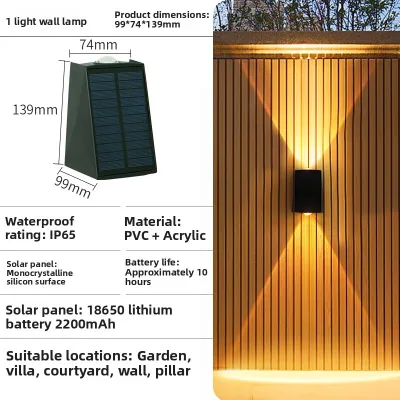
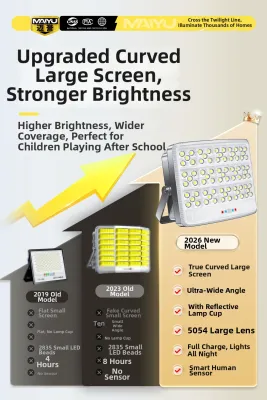
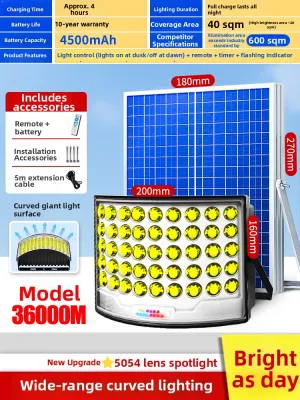
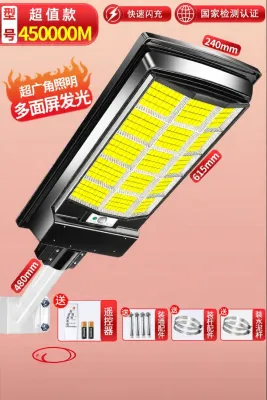
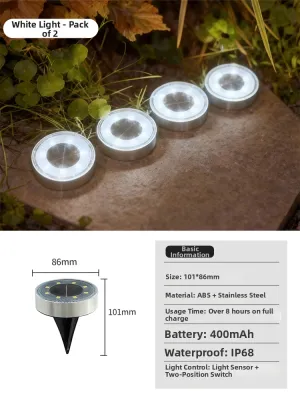
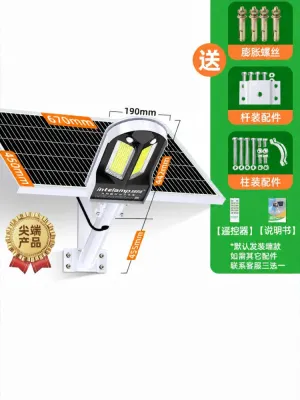
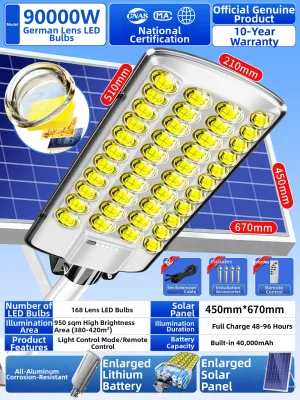
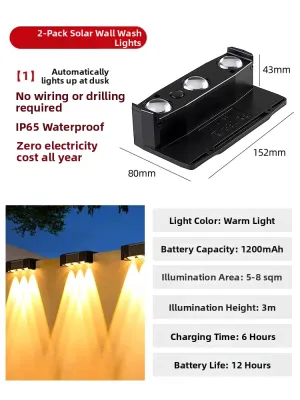
Prices are valid at publication and may change. Please refer to the product page for the latest price.
The second digit is where the critical distinction between IP65 and IP67 lies. An IP65 rating indicates that the light fixture can withstand water projected by a nozzle from any direction. This level of protection is highly effective against standard rain showers, splashing water, and typical garden hose sprays. However, an IP65 fixture is not designed to be submerged or subjected to high-pressure water jets.
Conversely, an IP67 rating signifies that the light can withstand temporary immersion in water up to a depth of one meter for a limited duration, typically up to 30 minutes. This rating is achieved through more robust sealing mechanisms and tighter manufacturing tolerances. The ability to survive temporary submersion is a crucial feature for fixtures placed in areas where water does not drain away immediately.
During the southwest monsoon, or habagat, driving rains accompanied by strong winds can force water into microscopic gaps at high velocity. Furthermore, the persistent high relative humidity in tropical climates creates a constant vapor pressure differential. Over time, this humidity tests the integrity of every seal, making the distinction between water resistance (IP65) and temporary submersion protection (IP67) a critical factor in whether your outdoor solar lights survive multiple wet seasons.
Matching IP Ratings to Your Outdoor Installation Zones
To optimize your budget and ensure system longevity, map your outdoor space into distinct moisture zones before purchasing. Elevated and wall-mounted zones are ideal candidates for IP65 fixtures. When you install solar sconces, fence lights, or hanging lanterns on vertical surfaces, gravity works in your favor. Rainwater drains away rapidly, preventing any standing water from accumulating around the seals. For these applications, paying extra for an IP67 rating is generally unnecessary, as IP65 provides more than enough protection against vertical and wind-blown rainfall.

Ground-level and pathway zones demand a much higher level of protection, making IP67 the recommended standard. In-ground spotlights, recessed deck lights, and low-profile pathway fixtures sit directly in the path of surface runoff. During intense tropical downpours, water can accumulate faster than the soil or local drainage systems can absorb it. This leads to temporary pooling, mud splashes, and standing water that can completely submerge ground-level fixtures for hours. An IP67 rating ensures that even if a pathway light is temporarily buried in a puddle or thick mud, the internal battery, solar controller, and LED drivers remain completely dry.
Partially sheltered areas, such as under eaves, covered patios, or carports, present a middle ground where IP44 to IP65 ratings may suffice. While these spaces are protected from direct vertical rainfall, they are still exposed to high ambient humidity and wind-blown mist during severe storms. Opting for IP65 in these semi-sheltered zones provides a reliable safety margin, ensuring that unexpected gusts carrying heavy moisture do not compromise the fixture’s internal circuitry.
Additionally, consider the specific layout of your garden or yard. If you have raised plant boxes or elevated concrete planters, these areas drain much faster than ground-level soil beds. You can often safely install IP65 spotlights in raised planters, provided they are positioned away from direct soil runoff. Conversely, if you are lighting a low-lying lawn or a pathway adjacent to a driveway where water naturally pools, prioritize IP67 fixtures to prevent water from seeping into the housing during heavy downpours.
Weatherproofing Factors Beyond the IP Rating
While the IP rating is a standardized measure of water and dust resistance, long-term survival in a tropical climate depends on several other structural and material characteristics. The intense solar radiation during the dry season can degrade low-quality plastics, causing them to become brittle and crack, which ultimately ruins the waterproof seal. When selecting fixtures, check the manufacturer’s specifications for UV-stabilized polycarbonate, rust-proof anodized aluminum, or marine-grade stainless steel. Tempered glass covers are also highly preferable over cheap acrylic lenses, as they resist yellowing and scratching over years of exposure.
The integrity of the internal seals is another critical point of failure. High-quality outdoor solar lights utilize thick silicone gaskets rather than cheap rubber seals. Tropical temperatures can cause significant thermal expansion and contraction between daytime sun exposure and cool nighttime rainstorms. Silicone maintains its elasticity and shape under these extreme temperature cycles, whereas standard rubber can dry out, crack, and shrink, creating microscopic pathways for moisture to seep in. Look for fixtures that feature fully sealed battery compartments with independent gaskets to isolate the power source from potential moisture ingress.
Additionally, pay close attention to the solar panel’s protective coating. Monocrystalline or polycrystalline panels should be laminated with a durable, weather-resistant top layer, such as ETFE (ethylene tetrafluoroethylene) or tempered glass, rather than cheap PET films. A high-quality coating prevents water spotting, resists delamination caused by humidity, and remains easy to clean. This ensures the panel can maintain maximum charging efficiency even during overcast monsoon days when sunlight is limited.
For homes located in coastal regions of the Philippines, salt spray is an additional environmental hazard that accelerates the corrosion of metal components. In these areas, choosing fixtures made of high-grade composite plastics or marine-grade stainless steel is crucial. Even a high IP rating cannot protect a light if its outer housing corrodes away, exposing the internal seals to direct environmental degradation.
Installation and Maintenance for Monsoon Resilience
Proper installation is the first line of defense in preserving the waterproof integrity of your solar lights. When mounting fixtures, always ensure the mounting surfaces are completely flat. Uneven walls or posts can distort the light’s mounting bracket, twisting the housing and creating small gaps in the rubber or silicone gaskets. Furthermore, avoid drilling into, modifying, or overtightening the sealed housing during installation, as any alteration can permanently compromise the factory seals and void the manufacturer’s warranty. If fixed wiring is required for hybrid solar-electric systems, always isolate the power source before handling, follow the manufacturer’s wiring instructions, and consult a qualified professional to ensure compliance with local electrical codes.
Routine maintenance is especially important before and during the wet season to prevent localized water accumulation. Clear away fallen leaves, twigs, mud, and garden debris from around ground-level and pathway lights. This debris can act as a natural dam, trapping water around the base of the fixture and subjecting it to prolonged moisture exposure far beyond its intended design limits. Periodically wipe down the solar panels with a soft, damp cloth to remove dust buildup and bird droppings, ensuring the cells receive unobstructed sunlight for optimal charging.
Despite your best efforts, seals can eventually degrade over years of service. It is important to know when to stop using a fixture and replace it to avoid electrical hazards or battery damage. Inspect your lights regularly for signs of seal failure, such as persistent internal condensation or fogging behind the lens, flickering light output, or visible rust and corrosion on the battery contacts. If you observe these symptoms, the waterproof barrier has been breached; the unit should be decommissioned and replaced rather than attempting temporary DIY repairs with silicone caulk, which rarely provides a lasting seal against tropical humidity.
Frequently Asked Questions (FAQ)
Can I leave IP65 solar lights outside during a typhoon?
Yes, IP65 solar lights can generally remain outside during standard heavy rains, but extreme typhoon conditions present unique challenges. While the IP65 rating protects against wind-driven rain, severe typhoons can bring localized flooding, flying debris, and extreme wind pressures that exceed standard testing limits. If your area is prone to severe flooding or if the lights are installed in low-lying garden beds, it is highly recommended to temporarily remove easily detachable fixtures and store them indoors. Always check the manufacturer’s guidelines for specific extreme weather protocols to protect your lighting investment.
Does high humidity affect the waterproof seal of solar lights?
Yes, persistent high humidity combined with daily temperature fluctuations can gradually degrade inferior waterproof seals. In tropical climates, the air inside the fixture expands during the hot day and contracts as it cools at night, creating a vacuum effect that can draw moist air through microscopic imperfections in the gaskets. Over time, this moisture accumulates as internal condensation, leading to battery corrosion and circuit failure. To mitigate this, choose fixtures with high-quality silicone gaskets and regularly inspect the lenses for early signs of internal fogging.

Community discussion
Share your experience or ask a question. Comments are reviewed before publication.