
Outdoor fairy lights can survive the intense Philippine rainy season, but their survival depends entirely on their specific ingress protection rating, the quality of their construction, and how safely they are installed. The combination of torrential monsoon rains and persistent tropical humidity presents a harsh environment for any outdoor electrical device. Simply buying lights labeled as suitable for the outdoors is not enough to guarantee they will not short-circuit, corrode, or pose a safety hazard when the heavy rains arrive.
To ensure your outdoor lighting display remains safe and functional throughout the wet months, you must understand how to evaluate product specifications, identify environmental vulnerabilities, and apply proper installation and maintenance techniques. Taking a proactive approach to weatherproofing not only protects your investment but also prevents serious electrical hazards around your home.
How to Check Waterproof Ratings for Outdoor String Lights
When shopping for outdoor lighting, the most reliable indicator of water resistance is the Ingress Protection (IP) rating. This international standard consists of the letters IP followed by two digits. The first digit, ranging from zero to six, measures protection against solid objects like dust and dirt. The second digit, ranging from zero to nine, measures protection against liquids. For outdoor fairy lights exposed to heavy tropical rain, you should look for a liquid protection digit of at least five or six.
Products mentioned in this guide
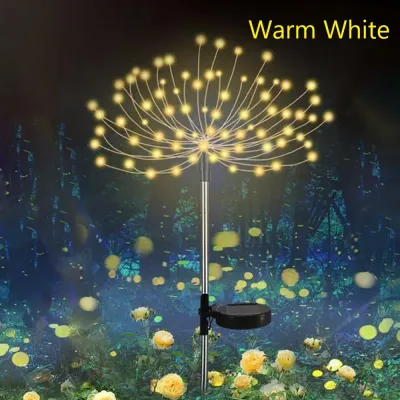
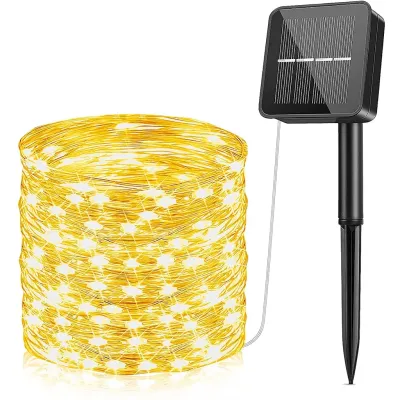
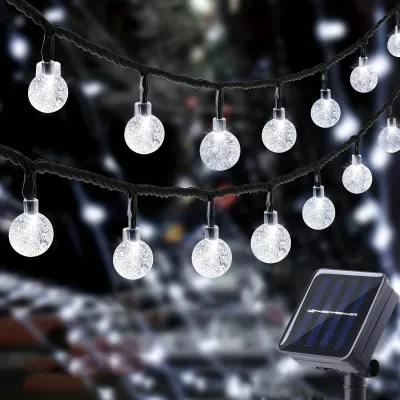
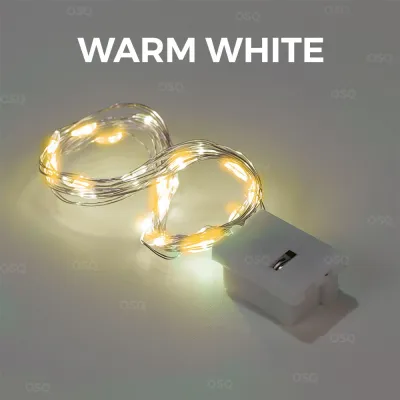
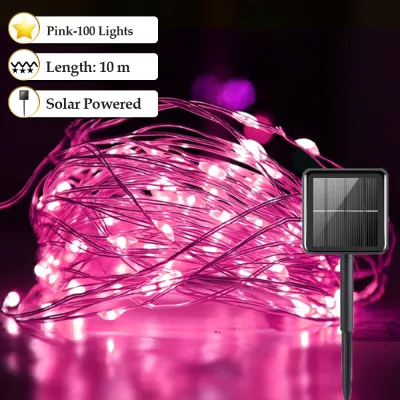
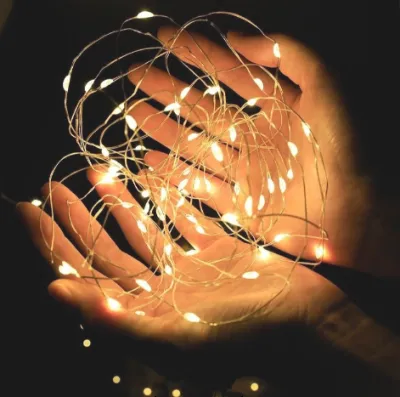
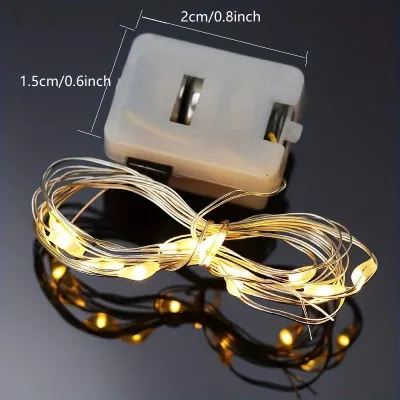
Prices are valid at publication and may change. Please refer to the product page for the latest price.
An IP44 rating is common for many decorative lights, meaning they are protected against solid objects larger than one millimeter and splashes of water from any direction. While IP44 lights can handle light drizzle or temporary outdoor use, they are highly vulnerable to the intense, driving rain of a Philippine monsoon. For permanent or long-term outdoor installation, look for lights rated IP65 or higher. An IP65 rating indicates the product is completely dust-tight and can withstand low-pressure water jets from any angle, making it far more resilient against heavy downpours.
You can typically find these ratings printed on the product packaging, on a small white tag wrapped near the plug, or within the manufacturer’s online specification sheet. If a product is advertised as waterproof but lacks an official IP rating on its label or documentation, it is safest to assume it is only water-resistant and unsuitable for open, unsheltered outdoor areas. Always verify these markings physically before installing the lights in exposed locations.
It is also critical to distinguish between the waterproof rating of the light string itself and that of its power accessories. Often, the main wire and LED bulbs are rated IP65, but the plug, controller box, or transformer is only rated IP20, which offers zero protection against water. If these vulnerable components are left exposed to the elements, water will quickly penetrate the housing, causing the entire string to fail and potentially tripping your home’s circuit breaker.
Identifying Weather Vulnerabilities During the Monsoon Season
The Philippine monsoon season brings unique environmental challenges that can rapidly degrade outdoor electronics. High relative humidity, which frequently hovers above eighty percent during the rainy months, is a silent threat to electrical connections. This persistent moisture in the air can slowly penetrate non-hermetic seals, leading to condensation inside battery compartments, controller boxes, and wire joints. Over time, this trapped moisture causes galvanic corrosion, which eats away at metal contacts and ruins delicate circuit boards.

Physical stress from strong winds is another major hazard during the wet season. The southwest monsoon, or Habagat, along with frequent tropical depressions, can produce gusty winds that whip hanging light strings back and forth. This constant motion puts immense mechanical strain on the wiring, especially at the connection points between individual bulbs and the main wire. If the lights are secured with weak adhesive mounts or wrapped tightly around sharp metal edges, the wind can easily tear the wires, strip the protective insulation, or pull the connections apart.
Pooling water presents an immediate electrical hazard. Heavy downpours can quickly overwhelm gutters, eaves, and garden drainage systems, leading to localized flooding or standing water. If your fairy lights are draped near the ground, along low-lying garden borders, or under poorly drained roof valleys, they run the risk of becoming partially or fully submerged. Low-voltage connections that are perfectly safe in dry conditions can short-circuit instantly when sitting in a pool of rainwater, creating a path for electrical current to travel into the surrounding soil or wet surfaces.
Safe Installation Practices for Heavy Rain and High Humidity
To protect your fairy lights from water damage, you must implement strategic installation techniques that shield vulnerable components. Always elevate power plugs, transformers, and controller boxes well above the ground where water is likely to pool. If these components must remain outdoors, house them inside a dedicated, weather-resistant junction box rated IP56 or higher. These boxes feature rubber gaskets and secure latches that keep driving rain and humidity away from active electrical connections.
When routing the power cable from an outdoor outlet to your light string, always incorporate a drip loop. A drip loop is a simple, downward-facing curve in the wire positioned just before the cable enters the outlet or junction box. Because water naturally follows the path of gravity, any rain running down the cord will pool at the bottom of the loop and drip safely onto the ground, rather than flowing directly into the electrical socket. This basic physical adjustment is one of the most effective ways to prevent water ingress at connection points.
Securing the light string properly is essential for preventing wind damage. Use insulated cable clips, plastic zip ties, or outdoor-rated mounting hooks that do not pinch or compress the wire’s outer protective sheath. Avoid using bare metal staples or wire twist-ties, which can cut through the insulation over time and expose the copper conductors to moisture. Ensure the light string has a small amount of slack so it can sway gently in the wind without pulling taut against its mounting points.
While low-voltage, plug-and-play fairy lights are generally safe for DIY installation, you must recognize when to call a professional. If your outdoor lighting setup requires tapping into your home’s main electrical panel, running permanent conduit underground, or installing new outdoor outlets in damp locations, you must stop and consult a qualified electrician. Always isolate the power at the main circuit breaker before attempting any installation or adjustment of outdoor wiring.
Maintenance and Storage Strategies for Prolonged Wet Weather
Regular maintenance is key to extending the lifespan of your outdoor fairy lights during the rainy season. Establish a routine to visually inspect your lights at least once every two weeks. Look closely for signs of moisture buildup inside the bulb covers, rust or green corrosion on the metal contacts, and any cracking or fraying of the wire insulation. If you notice any of these warning signs, disconnect the power source immediately to prevent further damage or electrical hazards.
If you need to clean your lights or remove dirt buildup, always unplug them first. Wipe the wires and bulbs gently with a damp cloth, avoiding any harsh chemical cleaners that could degrade the plastic or rubber insulation. After cleaning, or if the lights have been exposed to a particularly heavy storm, allow them to air dry completely in a well-ventilated area before reconnecting them to the power supply. Never plug in a light string while any part of the connection remains damp.
There are times when the safest course of action is to temporarily dismantle and store your lights. When PAGASA issues an official typhoon warning for your area, or if you anticipate severe wind and flooding, take the lights down and bring them indoors. Additionally, if you detect any electrical faults, such as a flickering light string or a circuit breaker that repeatedly trips when the lights are turned on, disconnect the system immediately and store it until it can be professionally inspected or replaced.
Selecting the Right Waterproof Fairy Lights for Wet Climates
Choosing the right type of fairy lights before installation can save you significant maintenance trouble later. One of the first decisions you will face is selecting between solar-powered and plug-in models. While solar-powered lights are highly convenient and eliminate the need for outdoor extension cords, they rely heavily on direct sunlight to charge. During the monsoon season, prolonged overcast skies and heavy cloud cover can severely limit their performance, leaving you with dim or non-functional lights. Plug-in models offer consistent brightness but require a safe, dry, and properly grounded outdoor power source.
The material and thickness of the wire are also critical selection factors. Cheap fairy lights often use ultra-thin copper wires coated in a thin layer of plastic, which easily snaps under wind stress and degrades quickly under intense tropical UV exposure and humidity. For durable outdoor use, opt for heavy-duty strings featuring thick, double-insulated rubber or PVC cables. These materials are much more resilient against physical wear, temperature fluctuations, and moisture penetration.
Finally, always verify the manufacturer’s explicit outdoor-use claims and warranty conditions rather than relying solely on generic product titles on online marketplaces. Look for products that carry recognized electrical safety certifications. A reputable manufacturer will clearly state the operating temperature range, waterproof rating, and maximum wattage limits on the product label, giving you the necessary information to make a safe and lasting purchase.
Frequently Asked Questions (FAQ)
Can I leave battery-operated fairy lights outside in the rain?
No, you should not leave standard battery-operated fairy lights outside in the rain unless the battery box is explicitly rated IP65 or higher and features a tight rubber gasket seal. Most battery compartments are made of cheap plastic with simple snap-on lids that allow rainwater and high humidity to seep inside easily. Once water enters the compartment, it causes rapid corrosion of the metal terminals, ruins the batteries, and can cause a short circuit. If you must use battery-operated lights outdoors, place the battery box inside a fully sheltered area, such as a covered patio, or seal it inside a waterproof container.
What should I do if my outdoor fairy lights stop working after a storm?
If your lights stop working after a storm, the very first step is to safely disconnect the power source. Do not touch the plug, wire, or outlet with bare hands if they are wet; instead, turn off the corresponding circuit breaker at your main electrical panel first. Once the power is isolated, unplug the lights and inspect them for visible damage, such as water inside the controller box, burnt components, or torn wires. Allow the entire set to dry completely in a dry, well-ventilated indoor area for several days. If the lights still do not work after drying, or if you see signs of corrosion or melted plastic, discard them and replace the set.

Community discussion
Share your experience or ask a question. Comments are reviewed before publication.