
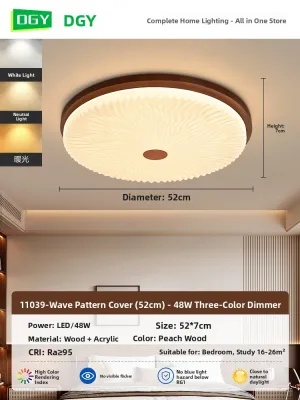
Selecting the right lighting for a low-ceiling condominium in the Philippines requires balancing spatial constraints with your personal design aesthetic. Standard condo units in metropolitan areas often feature ceiling heights ranging from 2.4 to 2.7 meters, which makes hanging pendants or heavy chandeliers impractical because they obstruct pathways and crowd the visual field. Wooden flush mount ceiling lights offer an elegant solution by sitting directly against the ceiling surface, preserving valuable headroom while introducing the organic warmth of natural timber to otherwise sterile concrete structures.
By opting for a flush mount design, you maximize the vertical clearance of your living room, bedroom, or dining area. The integration of wood elements helps soften the sharp lines and modern finishes typical of urban condo units, creating a cozy, tropical-modern sanctuary. Whether you are renovating an existing space or furnishing a new unit, understanding how to select, size, and install these fixtures ensures a safe, functional, and visually appealing home environment.
Why Wooden Flush Mount Lights Suit Low-Ceiling Spaces
Flush mount fixtures are specifically engineered to mount directly against the ceiling, leaving little to no gap between the light housing and the ceiling surface. In a low-ceiling condo, every centimeter of vertical space is precious. Traditional hanging lights can make a room feel cramped and can even pose a physical hazard for taller occupants or when moving furniture. A low-profile wooden flush mount keeps the center of the room open and unobstructed, creating an illusion of a higher ceiling and a more spacious living area.
Products mentioned in this guide
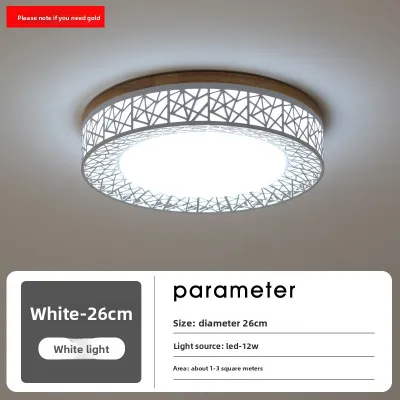
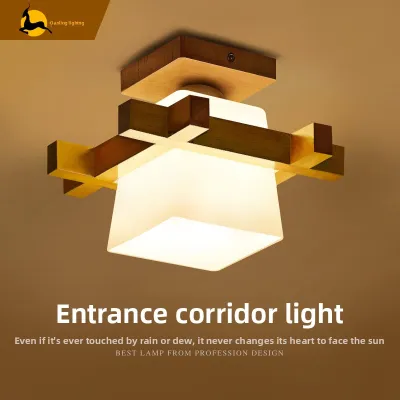
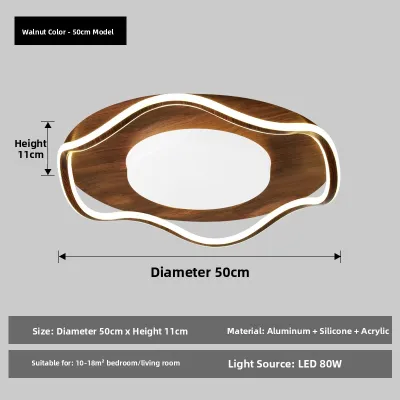
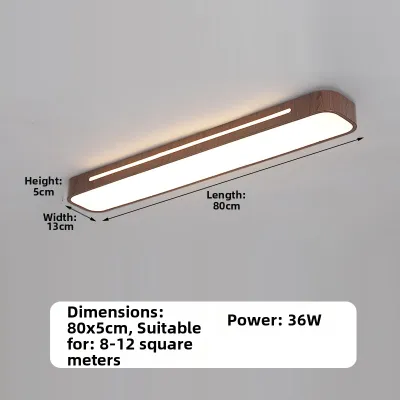
Prices are valid at publication and may change. Please refer to the product page for the latest price.
Beyond their practical, space-saving design, wooden fixtures introduce a tactile, natural element that modern building materials cannot replicate. Many high-rise developments rely heavily on concrete, glass, and steel, which can sometimes feel cold or clinical. Incorporating natural wood tones on the ceiling draws the eye upward and adds visual warmth, making compact spaces feel more inviting and grounded. This organic texture serves as an excellent bridge between minimalist modern architecture and cozy interior styling.
Additionally, the way wooden fixtures diffuse light can significantly alter the mood of a small room. Fixtures featuring wooden slats, geometric timber frames, or woven bamboo and rattan elements allow light to filter through gradually, casting soft shadows and reducing harsh glare. Other designs utilize integrated glass or fabric shades encased in a wooden ring, which evenly distributes light across the ceiling and walls. This soft, scattered illumination prevents the intense, focused hot spots that often make low ceilings feel like they are pressing down on the room.
Key Dimensions and Clearance Requirements
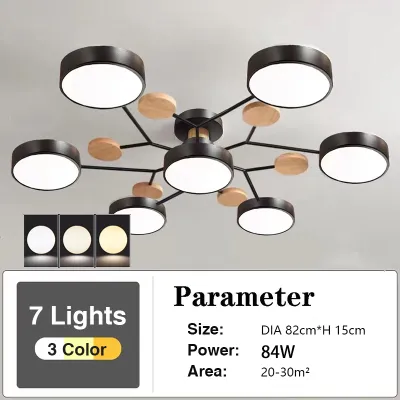
Before purchasing any ceiling fixture, accurate measurements are essential to ensure a safe and comfortable living environment. As a general rule of thumb, the bottom of any ceiling light should hang no lower than 2.1 meters (7 feet) from the floor to allow adequate clearance for people walking underneath. If your condo ceiling is at the standard 2.4-meter mark, your fixture’s total height—including its mounting bracket—should not exceed 20 to 30 centimeters. Measuring your exact ceiling height before browsing online marketplaces or local showrooms prevents the disappointment of buying a light that hangs too low.

Determining the correct diameter of your ceiling light is equally important for maintaining visual balance. A fixture that is too small will look lost in the room, while one that is too large can overwhelm a compact space. To find an appropriate diameter, you can use a simple scaling calculation: measure the length and width of the room in meters, add those two numbers together, and multiply the sum by ten. The resulting number provides a reasonable guideline in centimeters for the fixture’s diameter. For instance, a dining nook measuring 3 meters by 3 meters would be well-suited for a wooden flush mount with a diameter of approximately 60 centimeters.
Finally, you must consider the physical weight of the fixture and the structural integrity of your ceiling. Wooden flush mounts can range from lightweight plywood designs to heavy, solid timber pieces. If your condo has a concrete slab ceiling, you will need to use appropriate masonry anchors and a hammer drill to secure the mounting bracket safely. If you have a dropped gypsum or plasterboard ceiling, the fixture must be anchored directly into the metal or wooden framing joists rather than the drywall alone. Never hang a heavy wooden fixture solely from gypsum board, as this can lead to structural failure and severe damage.
Evaluating Wood Finishes and Light Quality
Living in a tropical climate like the Philippines means dealing with high relative humidity throughout the year, especially during the rainy season. High humidity can cause untreated wood to absorb moisture, leading to warping, cracking, or mold growth over time. When selecting a wooden ceiling light, verify that the timber has been properly kiln-dried and treated with a protective sealant, such as a moisture-resistant polyurethane or lacquer finish. These protective coatings seal the wood pores, preventing moisture penetration and ensuring the fixture retains its shape and beauty for years.
Perceived color temperature plays a crucial role in how the wood grain looks and how cozy the room feels. Warm white light, typically ranging from 2700K to 3000K, is highly recommended for wooden fixtures because it enhances the rich, golden, and reddish undertones of natural timber. Neutral white light (around 4000K) can be used in utility areas or kitchens where task lighting is necessary, but be aware that cooler light temperatures can sometimes make natural wood look slightly gray or washed out. Choosing the right color temperature is a matter of personal preference, but matching it to your wood finish creates a more cohesive aesthetic.
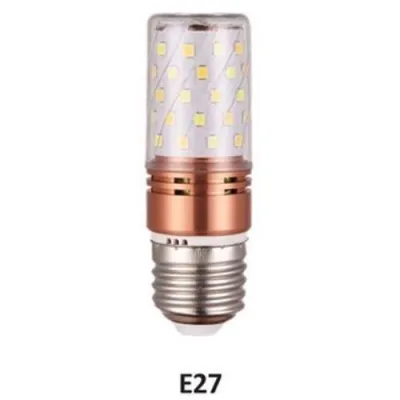
Always verify the electrical specifications of the fixture, including the bulb base type, maximum wattage limits, and dimming compatibility. Many wooden flush mounts feature standard E27 screw bases, allowing you to choose from a wide variety of LED bulbs. Ensure that the wattage of your chosen bulbs does not exceed the maximum limit specified on the fixture’s safety label, as excessive heat can dry out the wood and damage the internal wiring. If you prefer adjustable ambiance, confirm that both the fixture’s driver (for integrated LEDs) and your wall switch are compatible with dimming technologies.
Building Your Shortlist: What to Check Before Buying
When you are ready to finalize your purchase from a lighting store or an online marketplace, a systematic verification checklist will help you avoid compatibility issues. First, confirm that the fixture is rated for the standard residential voltage in the Philippines, which is 220V at 60Hz. Some imported fixtures designed for other regions may operate on 110V or 50Hz, which can cause immediate damage or electrical hazards if connected directly to your home’s power supply. Look for local safety certification marks, such as the Philippine Standard (PS) mark or the Import Commodity Clearance (ICC) sticker, to ensure the product meets national safety standards.
Setting a realistic budget is another critical step in building your shortlist. Simple, mass-produced wooden flush mounts can start as low as ₱1,500, while handcrafted, solid-hardwood designer fixtures can easily exceed ₱8,000. When planning your budget, remember to factor in the cost of high-quality LED bulbs and potential professional installation fees. Hiring a licensed electrician to mount the fixture and verify your wiring typically costs between ₱500 and ₱1,500, depending on the complexity of the job and your location.
Additionally, carefully review the seller’s policies regarding warranties, returns, and shipping protection. Wooden fixtures with delicate slats or integrated glass diffusers are susceptible to damage during transit. Ensure the retailer packages the item securely and offers a clear return policy if the product arrives damaged or defective. A reliable manufacturer warranty of at least one year provides peace of mind, covering any premature failure of integrated LED drivers or structural defects in the wood construction.
Installation and Maintenance in Condo Environments
Installing a new ceiling fixture in a condominium building often involves navigating specific administrative rules. Most condo corporations require residents to submit a work permit application before any drilling or electrical work can begin. This process usually requires you to declare the scope of work, specify the date and time of installation, and sometimes provide the professional credentials of your contractor. Checking these rules beforehand prevents unnecessary delays, fines, or disputes with building security and administration.
While replacing a light bulb is a simple task that most residents can handle safely, installing a new flush mount fixture involves working with fixed electrical wiring and working at heights. For your safety, always isolate the power at the main circuit breaker before touching any electrical wires. If you are unfamiliar with wiring diagrams, dealing with concrete drilling, or handling heavy suspended loads, it is highly recommended to hire a qualified professional. A licensed electrician will ensure that the connections are secure, properly insulated, and compliant with the Philippine Electrical Code.
Maintaining your wooden ceiling light is straightforward but requires gentle care to preserve the wood’s natural finish. Dust the fixture regularly using a dry, soft microfiber cloth or a static duster to prevent buildup, which can dim the light output over time. Avoid using harsh chemical cleaners, abrasive pads, or excessive water, as these can strip away the protective sealant and discolor the wood. If the fixture requires a deeper clean, wipe it gently with a slightly damp cloth and immediately dry it with a soft towel to prevent moisture from soaking into the timber.
Frequently Asked Questions (FAQ)
Can I install a wooden flush mount light in a condo bathroom?
You should only install a wooden flush mount light in a bathroom if the fixture is explicitly rated for damp environments and your bathroom has excellent ventilation. Standard wooden fixtures are dry-rated and can warp, crack, or develop mold when exposed to persistent steam and moisture. If you choose to use a damp-rated wooden light, ensure your bathroom is equipped with a functional exhaust fan to draw out humidity quickly, and place the fixture well away from direct water contact, such as directly above the shower stall.
Do wooden ceiling lights attract termites or pests?
High-quality wooden ceiling lights are typically made from kiln-dried timber and treated with protective sealants, lacquers, or varnishes that make them highly unappealing to termites and other wood-boring pests. However, if your condo building has an active, untreated termite infestation, any natural wood product can eventually become vulnerable. To protect your investment, purchase fixtures from reputable manufacturers who guarantee treated wood, and perform regular visual inspections of your ceiling and walls for any signs of pest activity.

Community discussion
Share your experience or ask a question. Comments are reviewed before publication.