
A wooden floor lamp is more than just a source of illumination; it is a design statement that introduces organic warmth, texture, and character to a living room. In the Philippines, where interior design often celebrates natural elements—ranging from traditional capiz and rattan accents to modern tropical minimalism—a wooden lamp serves as a bridge between nature and contemporary living. However, selecting the perfect wooden floor lamp involves more than simply picking an attractive design. Because wood is a living, reactive material, and because tropical climates present unique environmental challenges like high humidity and ambient heat, homeowners must carefully evaluate structural integrity, material finishes, and electrical safety. By understanding what to look for, you can find a fixture that not only enhances your home’s aesthetic but also stands the test of time.
Key Selection Criteria for Wooden Floor Lamps
Before diving into the visual styles of wooden floor lamps, it is essential to establish a functional and structural baseline. The physical dimensions of the lamp must align with your living room’s layout. Start by measuring the available floor space in your intended corner or next to your seating area. A lamp’s base footprint determines its stability and how much floor space it consumes; tripod designs, for example, require a significantly wider clearance than single-pole designs. Additionally, consider the total height of the lamp and the clearance of the shade. The bottom of the lamp shade should ideally sit at a height that prevents direct glare from the bulb when you are seated nearby, while the top of the lamp should remain proportional to your ceiling height to avoid making the room feel cramped.
Bulb compatibility and electrical specifications are equally critical when evaluating a wooden fixture. Always inspect the manufacturer’s label, usually located near the bulb socket, to verify the maximum wattage limit and the socket type, which is most commonly an E27 screw base. Because wood is sensitive to heat, exceeding the recommended wattage can cause the material to dry out, crack, or even pose a fire hazard. Utilizing energy-efficient LED bulbs is highly recommended for wooden lamps, as they emit minimal heat compared to traditional incandescent bulbs. Furthermore, if you plan to use smart bulbs or dimmable lighting systems to adjust the ambiance of your living room, verify that the lamp’s wiring and switch mechanism are fully compatible with these technologies.
Products mentioned in this guide
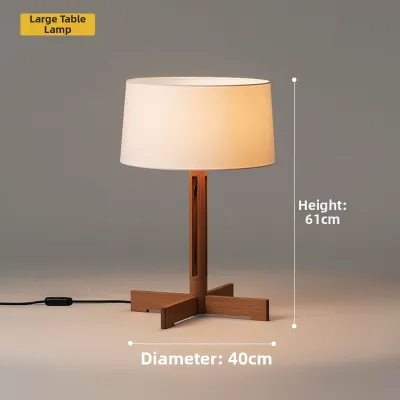
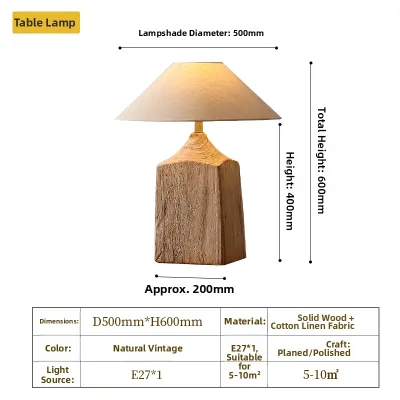
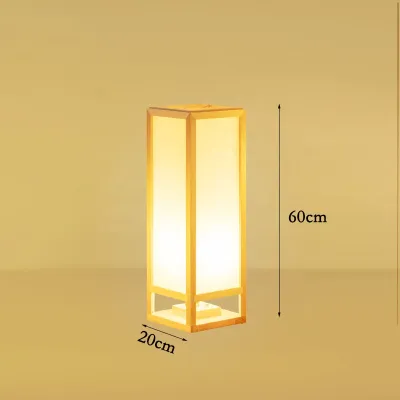
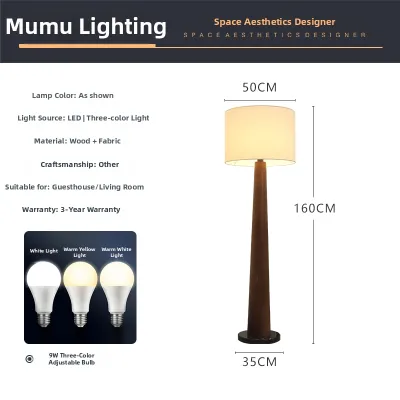
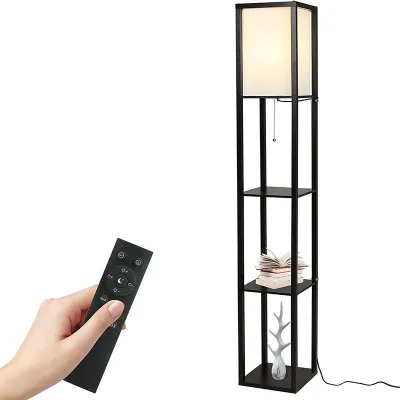
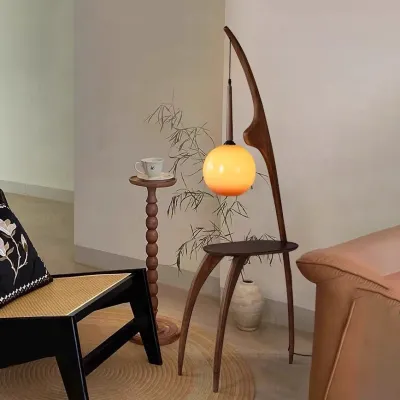
Prices are valid at publication and may change. Please refer to the product page for the latest price.
The quality of the wood and its protective finish will ultimately dictate the lamp’s durability in a tropical environment. When reviewing product specifications, distinguish between solid wood and engineered wood or veneers. Solid hardwoods, such as rubberwood, ash, beech, or teak, offer superior structural strength and longevity, though they are more reactive to environmental changes. Engineered wood, while often more budget-friendly, must be checked for high-quality edge banding to prevent moisture from delaminating the layers. Regardless of the wood type, ensure the surface is treated with a high-quality sealant, varnish, or polyurethane coating. This protective layer acts as a barrier against moisture absorption, preventing the wood from warping, swelling, or developing mold during the humid rainy season.
Matching Wood Finishes and Styles to Living Room Aesthetics
Integrating a wooden floor lamp into your living room requires a thoughtful approach to color coordination and design harmony. Wood finishes generally fall into light, medium, or dark tones, each evoking a distinct mood. Light wood finishes, such as natural ash, pine, or pale oak, are perfect for creating an airy, bright atmosphere. These tones pair exceptionally well with Scandinavian, Japandi, or modern minimalist interiors, where the focus is on simplicity, clean lines, and natural light. Medium wood tones, like cherry or warm teak, offer a versatile middle ground that complements transitional spaces, adding warmth without overpowering other design elements.

Dark wood finishes, such as walnut, mahogany, or deep charcoal-stained wood, bring a sense of sophistication, drama, and classic elegance to a room. These richer tones are highly suited for traditional, mid-century modern, or industrial-themed living rooms. In an industrial setup, a dark wooden lamp with black metal accents can soften the coldness of exposed concrete or brick walls. When coordinating wood tones, you do not need to match every piece of furniture perfectly; instead, aim for a dominant wood tone in the room and use the floor lamp as a complementary accent that echoes the undertones of your coffee table, shelving, or picture frames.
The design profile of the lamp base and the choice of shade material also play a pivotal role in defining the room’s aesthetic. A mid-century modern tapered pole offers a sleek, nostalgic silhouette, while a tripod base provides a bold, architectural statement. For more rustic or bohemian spaces, look for hand-carved details, turned wood columns, or distressed finishes that showcase the natural grain and imperfections of the timber. The shade material should complement the base: a linen or cotton fabric shade diffuses light softly, creating a cozy, warm glow that enhances the natural texture of the wood. Conversely, a paper shade offers a delicate, minimalist look, while a glass or metal shade can direct light more precisely, shifting the lamp’s character from ambient to task-focused.
Condition-Based Shortlist: Choosing the Right Lamp for Your Space
Finding the ideal wooden floor lamp is not about searching for a universally perfect model, but rather about identifying the configuration that best addresses your specific spatial constraints and lighting requirements. By analyzing how you use your living room, you can select a design tailored to your daily life.
For Reading Nooks and Task Lighting
If your primary goal is to create a comfortable reading corner next to an armchair or sofa, the structural design of the wooden floor lamp must prioritize directional light. Look for lamps featuring adjustable cantilevered arms, brass joints, or flexible goosenecks that allow you to position the light source directly over your reading material. A fixed, upright pole lamp often casts light too broadly, which can strain your eyes during extended reading sessions.
Height is a crucial factor for task lighting. To prevent uncomfortable glare, the bottom of the lamp shade should align roughly with your eye level when you are seated. If the shade is too high, the exposed bulb will shine directly into your eyes; if it is too low, the light pool will be too narrow to illuminate your book effectively. A wooden lamp with an adjustable height mechanism offers the greatest flexibility, allowing you to customize the setup to match the height of your favorite lounge chair.
For Ambient and Accent Lighting
When a wooden floor lamp is intended to provide general ambient light or highlight specific architectural features, the focus shifts from directional task lighting to soft, diffused illumination. For this purpose, consider torchiere-style wooden lamps that direct light upward, bouncing it off the ceiling to create a gentle, indirect glow throughout the room. Alternatively, a classic drum or empire shade made from translucent fabric will scatter light horizontally, softening harsh shadows.
Placement is key to maximizing the effect of ambient lighting. Position the wooden floor lamp in dark corners, behind a large indoor plant, or adjacent to a media console to add depth and dimension to the living room. By illuminating these neglected areas, you eliminate dark spots and make the entire room feel larger and more inviting. The warm undertones of the wooden base, combined with a warm-white LED bulb, will create a relaxing, cozy environment perfect for evening wind-downs.
For Compact or Multi-Purpose Living Areas
In smaller living rooms, condominiums, or high-traffic multi-purpose spaces, floor space is at a premium, making space-saving designs essential. Look for wooden floor lamps with slim, vertical profiles or those that feature integrated wooden shelving or built-in side tables. These multi-functional designs eliminate the need for a separate end table, allowing you to display books, plants, or decorative items directly on the lamp’s structure while keeping the floor clear.
Stability is a paramount safety consideration in compact or busy households, especially those with children or pets. Because wooden lamps are lighter than solid metal or stone fixtures, they can be more prone to tipping if bumped. Verify that the lamp features a heavily weighted base—often achieved by concealing a metal or cast-iron weight inside a wooden base cover. Check the center of gravity by gently nudging the lamp; a well-designed fixture should resist tipping and quickly return to its upright position.
Safety, Electrical Compatibility, and Maintenance
Operating electrical appliances and lighting fixtures in a tropical climate like the Philippines requires strict adherence to safety standards and proactive maintenance. First and foremost, verify that the lamp’s electrical components are fully compatible with the local power grid, which operates at 220 volts and 60 hertz. Using a lamp designed exclusively for a lower voltage without a proper transformer can lead to immediate electrical failure or fire hazards. Always inspect the power plug to ensure it fits securely into your wall outlets, and check that the cord’s insulation is thick, flexible, and free from any cracks or fraying.
The environmental conditions of a tropical climate can take a toll on both the wood and the electrical wiring of your lamp. High relative humidity can cause moisture to accumulate inside the socket or along the cord, increasing the risk of short circuits. To mitigate this, place your wooden floor lamp on a level, dry surface away from open windows where rain might blow in, and keep it clear of high-moisture zones such as indoor fountains or humidifiers. If you notice any flickering, buzzing, or a loose connection, immediately disconnect the lamp from the wall outlet and consult a qualified electrician to inspect or rewire the fixture.
Routine care is essential to preserve the beauty and structural integrity of the wood finish. Dust the lamp base regularly using a dry, soft microfiber cloth to prevent the buildup of grime, which can trap moisture against the wood grain. Avoid using harsh chemical sprays, abrasive cleaners, or excessive water, as these can strip the protective sealant, cloud the finish, or seep into electrical joins. If the wood begins to look dry or dull over time, consult the manufacturer’s care guidelines to identify a compatible wood oil or wax. Applying a thin, even coat of a recommended wood conditioner can restore the luster of the grain and reinforce the protective barrier against humidity and dust.
Frequently Asked Questions (FAQ)
Can I use a wooden floor lamp in a humid living room?
Yes, you can safely use a wooden floor lamp in a humid living room, provided the wood has been properly treated with a moisture-resistant sealant such as polyurethane, lacquer, or specialized outdoor-grade oils. When purchasing, check the manufacturer’s specifications to ensure the fixture is rated for indoor use in humid environments. To prevent damage, avoid placing the lamp directly under air conditioning vents where cold air can cause condensation, or near open windows during the rainy season. Regularly inspect the wood for early signs of moisture damage, such as warping, swelling, or a cloudy appearance in the finish, and relocate the lamp to a drier area if these signs appear.
How do I clean and maintain the wood finish on a floor lamp?
To clean the wood finish safely, always unplug the lamp from the electrical outlet first. Use a dry or slightly damp microfiber cloth to gently wipe away dust and fingerprints from the wooden base. Never spray liquid cleaners directly onto the lamp, especially near the bulb socket, switch, or power cord, as moisture can penetrate the electrical housing and cause a short circuit. For deeper maintenance, refer to the product manual to see if the manufacturer recommends specific care products like beeswax or mineral oil. Applying these products once or twice a year can help maintain the wood’s natural moisture balance and protect it from drying out or cracking.

Community discussion
Share your experience or ask a question. Comments are reviewed before publication.